


The New Language of Style
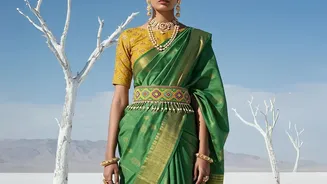
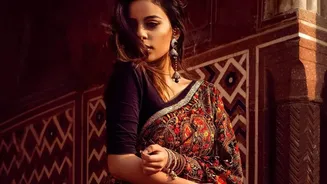
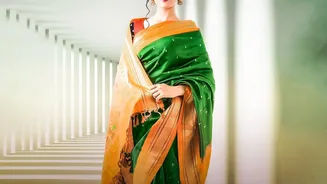
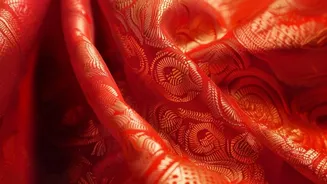
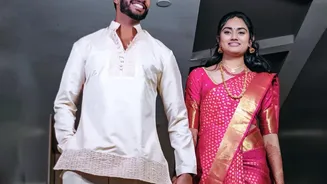
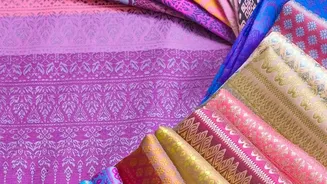
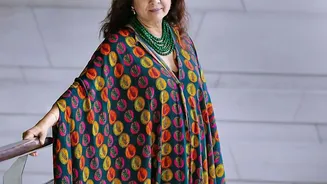
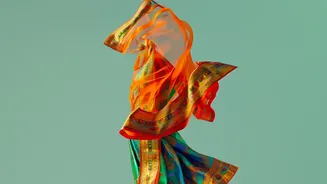
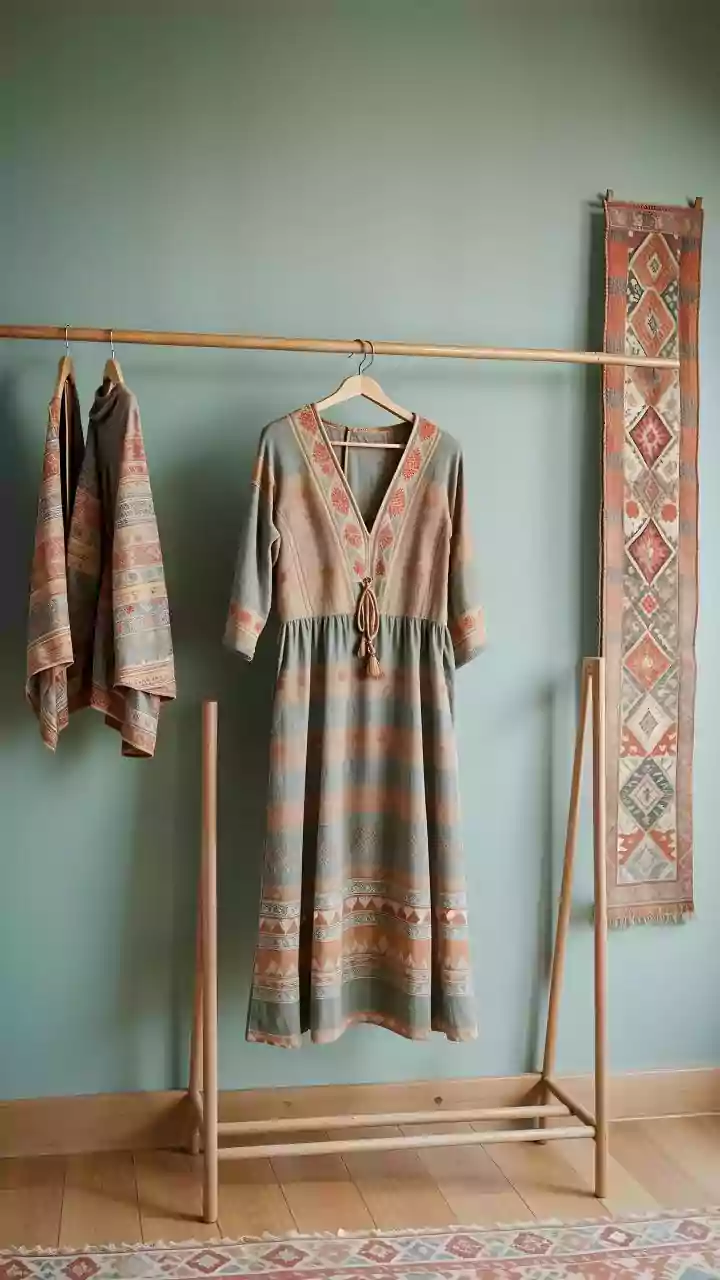
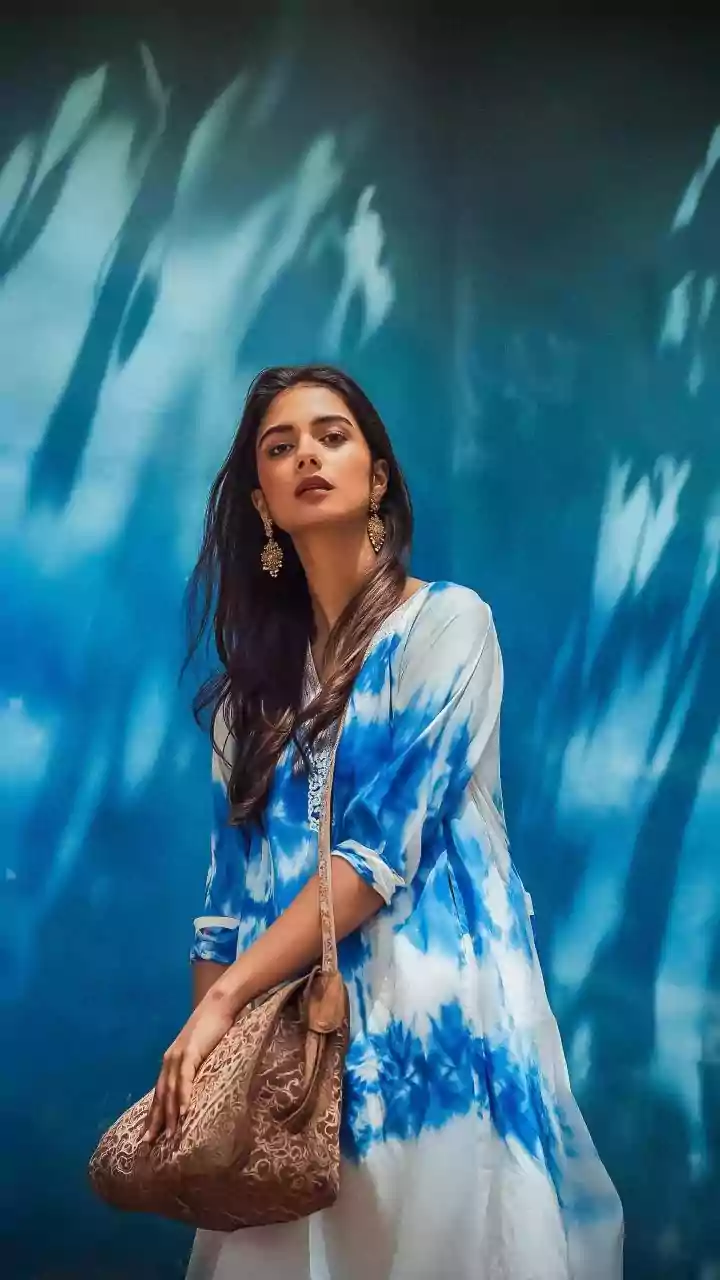
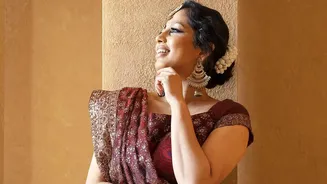
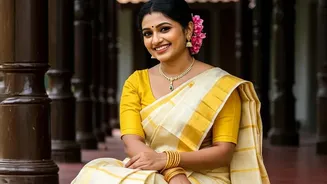
The narrative of Indian fashion is being re-spun, one handwoven thread at a time. This is not about preserving textiles in museums, but about making them live and breathe in the 21st century. Designers are reimagining classic weaves like Banarasi silk,
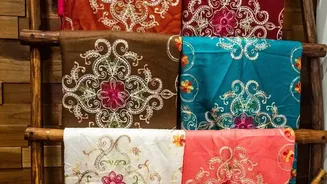
Chanderi, and Kalamkari, not just for sarees and lehengas, but for jumpsuits, minimalist dresses, and tailored separates. This fusion allows a new generation to connect with their cultural roots while embracing contemporary style. The result is a fashion statement that feels both deeply personal and refreshingly modern, where an heirloom craft is transformed into a wearable piece of art for everyday life.
Designers as Cultural Custodians
At the heart of this movement are visionary designers who see themselves as collaborators with artisans, not just consumers of fabric. Pioneers like Sabyasachi Mukherjee, Anita Dongre, and Gaurang Shah have paved the way, proving that heritage textiles can command global appeal. Today, a new wave of creators like Sanjay Garg of Raw Mango and others continue this work, focusing on making handloom a part of the modern wardrobe. Their philosophy is rooted in respect for the craft, often placing the textile as the hero of the design. They are changing how people connect with handloom by focusing on contemporary styling and telling the story behind each weave.
From Village Looms to Urban Wardrobes
This revival’s most significant impact is on India's weaving communities. The handloom sector is the country's largest cottage industry, supporting over 3.5 million workers, the majority of whom are women in rural areas. The growing demand for handloom provides these artisans with a sustainable livelihood, preserving skills passed down through generations. Government initiatives like the India Handloom Brand and the formation of weaver co-operatives have helped improve market access. However, challenges remain. While a handcrafted saree can fetch a premium price, the economic benefits don't always trickle down proportionally to the weaver, highlighting the need for a more equitable value chain.
The Conscious Consumer's Choice
The handloom comeback is perfectly timed with a global shift towards sustainable and conscious consumption. Unlike power looms, handloom weaving consumes minimal electricity, uses natural, biodegradable fibres, and results in very little waste. In an era of fast fashion, choosing a handwoven garment is a vote for slow, mindful production. It’s an appreciation for craftsmanship over mass production. This growing awareness among consumers, particularly the younger generation, is a key driver of the trend. They are looking for authenticity and pieces that tell a story, making handloom a choice that aligns with their values.
More Than a Fleeting Trend
Celebrity endorsements and the glamour of fashion weeks have certainly played a role in putting handloom in the spotlight. When stars choose a handwoven Banarasi or Kanjivaram for a red carpet, it sends a powerful message. But the movement's roots run deeper. National Handloom Day, celebrated on August 7th, commemorates the Swadeshi Movement and highlights the sector's cultural and economic importance. With nearly 95% of the world's handloom products made in India, this revival is more than just a fashion moment; it's a structural reawakening of a vital cultural and economic force, weaving a new identity for modern India on the global stage.