




When the temperature soars, staying hydrated is your first line of defense against heat-related illnesses. While drinking water is crucial, you can also eat your way to better hydration and help prevent the dangerous symptoms of heat exhaustion.
Understanding Heat Exhaustion
Heat exhaustion
occurs when your body overheats in response to high temperatures and inadequate hydration. It's your body's warning signal that it's struggling to cool itself down. The primary cooling mechanism is sweating, but this process depletes your body's water and salt levels. If you don't replenish these, you can slide into a state of dehydration. Symptoms often include heavy sweating, dizziness, fatigue, muscle cramps, headache, and a weak, rapid pulse. Ignoring these signs can lead to heatstroke, a life-threatening condition, which makes prevention critically important.
You Can Eat Your Water
While drinking glasses of water is essential, it's not the only source of hydration. On average, about 20% of our daily fluid intake comes from the foods we eat, particularly fruits and vegetables. Integrating water-rich produce into your diet is an effective and flavourful strategy to supplement your fluid intake throughout the day. This approach helps maintain your body's fluid reserves, supports essential functions like temperature regulation, and makes staying hydrated feel less like a chore and more like a treat.
Top Hydrating Fruits to Try
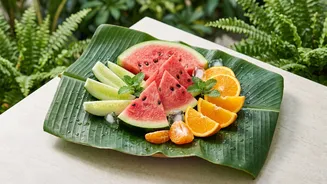
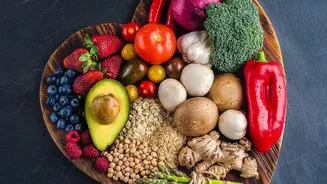
Many fruits are not only delicious but also packed with water. Watermelon is a classic summer hydrator, boasting about 92% water content. Strawberries are another excellent choice at 91-92% water. Cantaloupe (90%) and oranges (87%) are also fantastic options that contribute significantly to your fluid needs. These fruits provide not just water but also vitamins and antioxidants, making them a refreshing and healthy way to beat the heat and stay energized.
Powerhouse Hydrating Vegetables
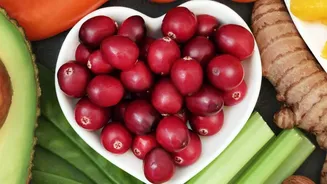
Don't overlook the vegetable drawer for hydration heroes. Cucumber leads the pack with an impressive 96% water content, followed closely by celery and radishes at 95%. Crisp lettuce and juicy tomatoes are also fantastic, containing around 94-96% water. Other great choices include zucchini (95%) and bell peppers (92%). Adding a large salad to your lunch or snacking on raw veggies is an easy way to boost your water intake without even thinking about it.
Beyond Water: The Electrolyte Connection
When you sweat, you lose more than just water; you also lose essential minerals called electrolytes, such as sodium, potassium, and magnesium. These minerals are vital for maintaining fluid balance, nerve function, and muscle contractions. Simply drinking plain water might not be enough to restore balance, especially after significant sweating. Many hydrating foods are also rich in electrolytes. Bananas and avocados are famously high in potassium. Leafy greens like spinach provide magnesium and calcium, while oranges offer a good dose of potassium. Eating these foods helps replenish both fluids and the electrolytes needed for your body to absorb and use that water effectively.