


A New Guard Takes Over
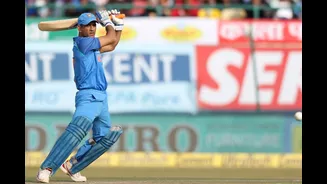
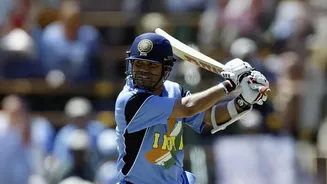
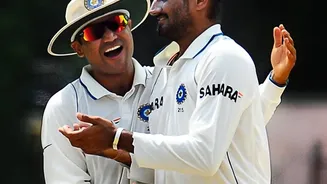
Going into the tournament, the Indian side had a distinctly fresh look. Gone were several titans of the 2011 World Cup-winning squad. In their place, a new generation stepped up under the leadership of MS Dhoni. The team was energetic, athletic, and hungry
to prove itself on the world stage. Few expected the sheer dominance that would follow, but the seeds of a perfect campaign were sown in this calculated transition, moving on from past heroes to build the foundation of the future. This was a team forged for the battles ahead, blending raw talent with the calm guidance of their seasoned captain.
The Masterstroke at the Top
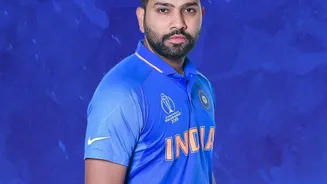
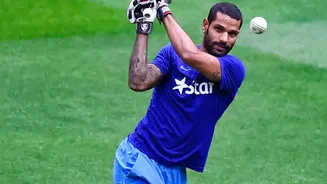
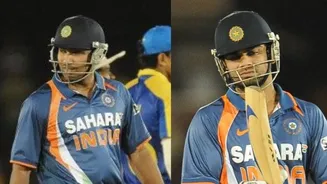
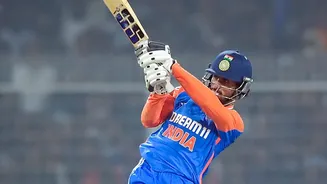
The tournament's defining tactical switch happened before a ball was even bowled in the first match. Rohit Sharma, a gifted middle-order batsman until then, was promoted to open the innings alongside the explosive Shikhar Dhawan. The move was a revelation. The duo provided India with fiery starts in nearly every game, dismantling opposition attacks with a mix of grace and aggression. Dhawan, in particular, was in imperious form, ending the tournament as its highest run-scorer with 363 runs, including two centuries. This new partnership laid the platform for India’s dominance throughout the tournament.
Unbeaten and Untouchable
India's journey through the group stage was flawless. They systematically defeated South Africa, the West Indies, and arch-rivals Pakistan. The victories were not just wins; they were comprehensive statements of intent. Against South Africa, they posted a mammoth 331. Against the West Indies, they chased down 234 with eight wickets and more than ten overs to spare. Ravindra Jadeja’s five-wicket haul in that match showcased India’s multi-faceted threat. By the time they dispatched Pakistan in a rain-affected match, India had established themselves as the team to beat, playing with a swagger and confidence that unsettled every opponent.
The Spin Chokehold
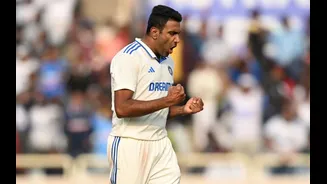
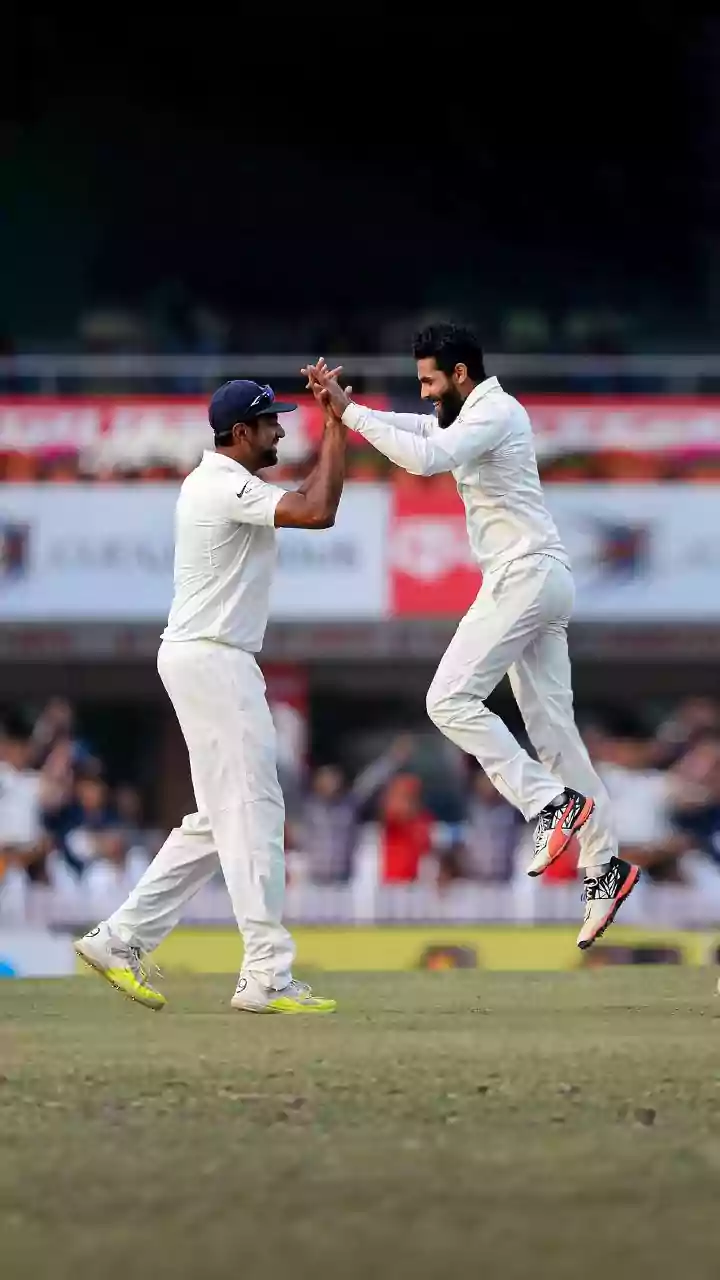
While the openers grabbed headlines, India's success was built on a potent and unconventional bowling strategy for English conditions. MS Dhoni placed immense faith in his spin duo of Ravindra Jadeja and Ravichandran Ashwin. Throughout the middle overs, they consistently choked the run flow and picked up crucial wickets. Jadeja was the tournament's standout bowler, winning the 'Golden Ball' for his 12 wickets. His ability to bowl quickly and accurately, coupled with Ashwin's crafty variations, meant opposition teams were rarely allowed to build momentum, giving India total control of the game's tempo.
A Dramatic Final for the Ages
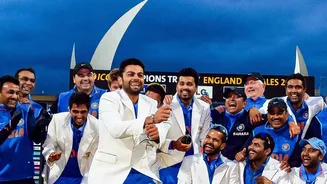
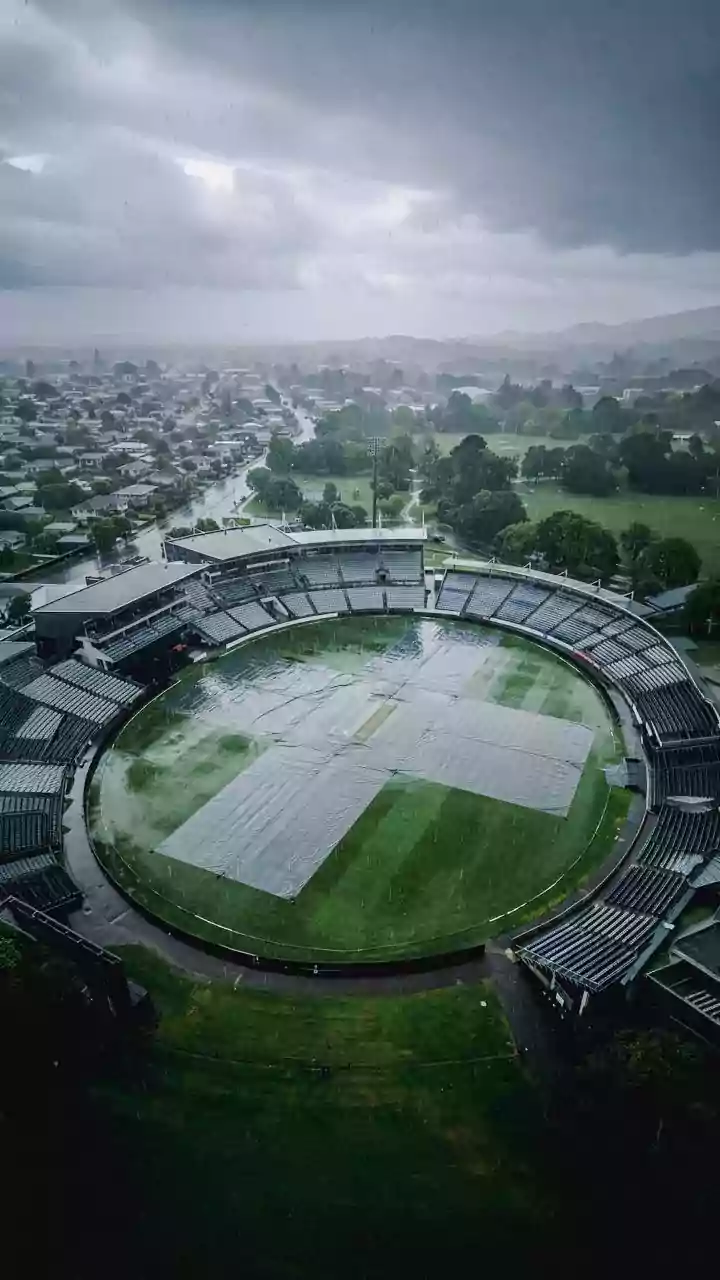
After a comfortable semi-final win against Sri Lanka, India faced hosts England in a final at Edgbaston that was severely curtailed by rain to just 20 overs a side. Batting first, India stumbled, managing only 129, with Virat Kohli (43) and a late cameo from Jadeja (33) providing the crucial runs. Chasing a modest target, England looked in control, needing just 20 runs from 16 balls with six wickets in hand. But in a moment of tactical genius, Dhoni brought back a struggling Ishant Sharma, who then dismissed the set batsmen Eoin Morgan and Ravi Bopara in consecutive deliveries. The tide turned instantly. With the crowd on edge, England collapsed, falling five runs short in a nail-biting finish.
Legacy of a Flawless Victory
The 2013 Champions Trophy remains a special chapter in Indian cricket history. It was a perfect, unbeaten campaign that validated a new-look team and a bold new opening pair. For MS Dhoni, it was the final piece in his captaincy puzzle, making him the first and only captain to win all three major ICC trophies: the T20 World Cup, the ODI World Cup, and the Champions Trophy. More than a decade later, that victory is remembered not just for the clinical perfection on the field, but also as the last major ICC trophy the senior men's team would win for a long time, lending it a bittersweet and cherished legacy.