







The Daily Commute vs. Your Dinner Plate
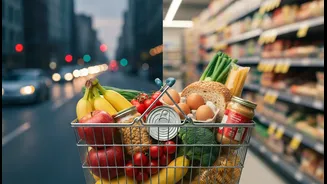
The daily grind of a long commute does more than just drain your time; it drains your energy for making healthy choices. After spending hours in traffic or on crowded public transport, the motivation to go home and cook a nutritious meal from scratch
can plummet. Studies show a direct link between longer, more stressful commutes and an increased reliance on convenience foods. One study found that even minor unexpected traffic delays led to a notable increase in fast-food visits. This phenomenon, known as time scarcity, pushes people towards quicker, often less healthy, options. When you’re exhausted and hungry, the appeal of a ready-to-eat meal or a quick takeaway order often wins against the effort of washing, chopping, and cooking vegetables. This effect is amplified when traffic hits during the evening mealtime, forcing a decision between cooking at home, stopping at a grocery store, or grabbing fast food.
The High Price of Eating Healthy
In many Indian cities, there's a clear paradox: while there's an abundance of food options, more than 75% of the population cannot afford a truly nutritious and diverse diet. The economic reality for many urban families is that healthy food is often a luxury. Fresh fruits, vegetables, lean proteins, and whole grains frequently cost significantly more than their processed, calorie-dense counterparts. Research confirms that when the price ratio of healthy-to-unhealthy food is high, people's odds of maintaining a high-quality diet decrease. This price disparity forces many to rely on cheaper, filling foods like refined grains and sugary snacks, which may satisfy hunger but lack essential nutrients. This creates a nutritional divide where wealthier households can afford balanced meals, while lower-income families are often trapped in a cycle of consuming nutrient-poor food.
What Your Local Shops Are (And Aren't) Selling
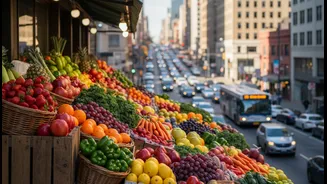
Your diet is heavily influenced by what is immediately available to you. Urban planners and public health experts talk about 'food deserts' and 'food swamps'. A food desert is an area with limited access to affordable and nutritious food. In the Indian context, this might not mean a total lack of food, but rather a lack of healthy food. Instead, many neighbourhoods are 'food swamps', areas saturated with fast-food outlets and convenience stores selling highly processed snacks and sugary drinks, with fresh produce being scarce or of poor quality. If your local kirana store is filled with packaged biscuits and instant noodles, but fresh vegetables require a long trip to a larger market, convenience often dictates the choice. This lack of access is a major reason why diet-related diseases are on the rise in urban areas, creating a cycle of poor health that is difficult to break.
It's a System, Not Just a Choice
Ultimately, the challenge of eating healthy in a city is not a simple matter of individual discipline. It is a systemic issue woven into the fabric of urban life. The combination of time poverty from long commutes, economic pressure from high prices, and poor availability in local food environments creates a powerful current that pushes people towards unhealthy options. This environment fosters what is known as the 'double burden' of malnutrition: the coexistence of undernutrition from a lack of essential vitamins and minerals, and rising rates of obesity and related diseases like diabetes and hypertension from an excess of calories, fats, and sugars. Recognizing these larger forces is the first step. Initiatives like the FSSAI's 'Eat Right India' movement are beginning to look at the urban food ecosystem as a whole, aiming to make healthy and sustainable food a central part of city planning.