
To a new gardener, dirt is dirt. But using garden soil in a pot is a common mistake that can harm your plants. Let’s explore the key differences and why choosing the right medium is crucial for a thriving container garden.
The Core Difference: Soil vs. Soilless
The most fundamental difference
is simple: garden soil contains actual topsoil—a mix of clay, sand, silt, and minerals from the earth. Potting mix, despite its name, is usually a 'soilless' medium. It's an engineered blend of organic and inorganic components designed specifically for the unique environment of a container. Think of garden soil as the natural ground beneath your feet and potting mix as a specially formulated diet for plants that can't access that ground.
Composition: A Tale of Two Recipes
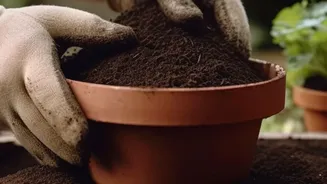
Garden soil, whether in a bag or from your yard, is heavy and dense. It’s composed of native soil minerals, often amended with organic matter like compost or manure to improve its structure for in-ground beds. Potting mix, by contrast, is a carefully crafted recipe. Its main ingredients are typically peat moss or coconut coir for moisture retention, plus materials like perlite or vermiculite to create air pockets and ensure lightness. Composted bark is another common base ingredient, valued for providing structure. This blend is designed to be fluffy and lightweight, the complete opposite of dense garden soil.
Drainage and Aeration: The Breath of Life
In a garden, soil is part of a massive ecosystem. Worms, roots, and microbes constantly create channels for water and air. When you scoop that same soil into a pot, you remove it from this system. It compacts quickly, leaving no space for air. The result is a dense, waterlogged brick that suffocates roots, a primary cause of root rot. Potting mix is engineered to prevent this. Its lightweight ingredients like perlite create ample pore space, ensuring excess water drains freely while allowing roots to access the oxygen they need to thrive. A good potting mix might have 30-40% air space, whereas garden soil in a pot may only have 10-20%.
Weight and Structure: A Heavy Burden
The difference in weight is significant. A pot filled with garden soil is incredibly heavy, making it difficult to move. More importantly, this weight contributes to compaction. Over time, watering presses the fine soil particles together, squeezing out air and creating a solid mass that roots can't penetrate. The lightweight structure of potting mix not only makes containers easier to handle but is essential for maintaining a healthy root environment over the long term. The mix remains loose, allowing roots to grow and expand easily throughout the container.
Nutrients and Sterility: Friend or Foe?
Garden soil is alive with a complex web of bacteria, fungi, insects, and weed seeds. While many of these are beneficial in a large garden, they can become a concentrated problem in the confined space of a pot. Diseases and pests have nowhere to go and can quickly overwhelm a plant. Potting mixes, on the other hand, are generally considered sterile, meaning they are free from weed seeds and harmful pathogens. While garden soil contains natural nutrients, potting mixes often start as a clean slate. Premium mixes include slow-release fertilizers to feed the plant for several months, giving you more control over your plant's nutrition.