





The Smart Secret of Overnight Travel
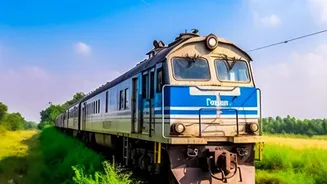
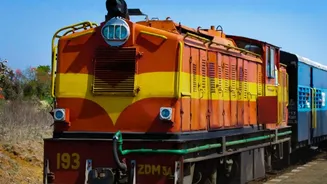
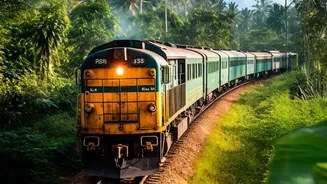
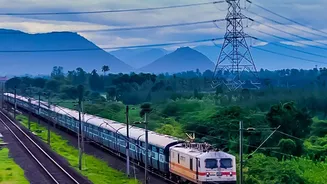
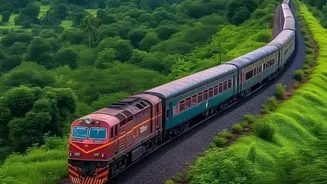
The magic of an overnight train journey in India is twofold. Firstly, it’s a significant cost-saver. By travelling through the night, you effectively eliminate the need for one night's hotel accommodation, a saving that can be substantial in tourist areas.
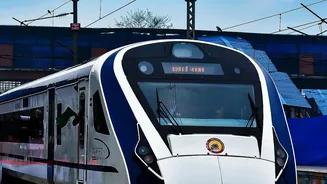
You board in a major city like Delhi or Mumbai in the evening and wake up fresh the next morning at the doorstep of the wilderness. Secondly, it’s remarkably efficient. Instead of losing a precious day to travel, you use your sleeping hours to cover vast distances, ensuring you arrive with a full day ahead for safaris or relaxation. Compared to the expense and hassle of flights—which includes airport transfers, long check-in times, and baggage fees—express trains offer a comfortable and economical alternative, especially in sleeper or AC 3-Tier coaches.
Gateway Hub 1: Jabalpur for Kanha and Bandhavgarh
Jabalpur serves as a primary railway hub for accessing two of India’s most famous tiger reserves: Kanha and Bandhavgarh. Well-connected by overnight trains from major cities like Delhi, Mumbai, and Kolkata, Jabalpur is your launching pad. For Bandhavgarh, the closest station is Umaria (UHR), which is just a 45-minute drive from the park entrance. Several express trains from Delhi make a convenient stop here. Alternatively, you can travel to Katni (KTE), a major junction about two hours from the park. For Kanha National Park, you can take a train to Jabalpur (JBP) and then a taxi for the scenic 3-4 hour drive to the park's main gates. Another excellent option is Gondia (G) station, which is also about a 3-hour drive and well-connected to Mumbai.
Gateway Hub 2: Nagpur for Pench and Tadoba
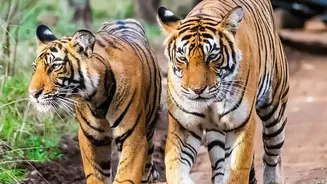
Nagpur, the 'Tiger Capital of India', is the strategic gateway to the southern wildlife circuit of Central India, primarily Pench National Park and Tadoba-Andhari Tiger Reserve. As a major railway junction, Nagpur has excellent connectivity from all corners of the country. From Nagpur station, Pench National Park is a smooth 2-3 hour drive away, making it incredibly accessible. You can arrive in the morning, transfer to your resort, and be ready for an afternoon safari. Similarly, Tadoba, located in Maharashtra's Chandrapur district, is best reached via Nagpur. While Chandrapur has its own station, Nagpur offers more frequent and reliable train connections, followed by a 3-hour drive to the reserve. This makes it possible to combine visits to both Pench and Tadoba using Nagpur as your central point.
How the Savings Truly Add Up
Let’s break down the economics. A flight from a metro city to Jabalpur or Nagpur can easily cost thousands of rupees, especially if booked close to the travel date. In contrast, an AC 3-Tier train ticket for the same route is often a fraction of that price. Add to this the cost of a hotel room for one night, which you save completely by sleeping on the train. For a couple or a family, these savings multiply quickly. The money you save on transport and lodging can be reallocated to what truly matters: more jungle safaris. Booking one extra safari can dramatically increase your chances of spotting a tiger, making the train not just a cheaper option, but a smarter one for a more fulfilling wildlife experience.
Tips for Planning Your Rail-to-Jungle Trip
Planning is key to a smooth journey. First, book your train tickets well in advance, especially during peak seasons like holidays and winter months, as popular trains fill up fast. Use the official IRCTC website or app for bookings. Second, coordinate your train's arrival time with your resort check-in and safari schedule. Most afternoon safaris start around 2:30 PM, so an early morning arrival gives you ample time. Third, pre-book your onward taxi from the railway station to the national park. While taxis are available, arranging one through your resort can be more reliable and hassle-free. Finally, remember to book your jungle safaris online in advance through the respective state's forest department website, as permits are limited and get sold out months ahead.