





The Monsoon Health Challenge
The rainy season in India is a welcome change, but the high humidity and drop in temperature create a perfect breeding ground for bacteria and viruses, leading to a surge in water-borne and food-borne illnesses. According to both modern science and traditional
Ayurvedic wisdom, our digestive system tends to weaken during this period. This combination of a vulnerable gut and a microbe-friendly environment is why paying close attention to what you eat is more crucial than ever. The key is to focus on boosting immunity and supporting digestion to enjoy the season without falling sick.
The Leafy Green Dilemma
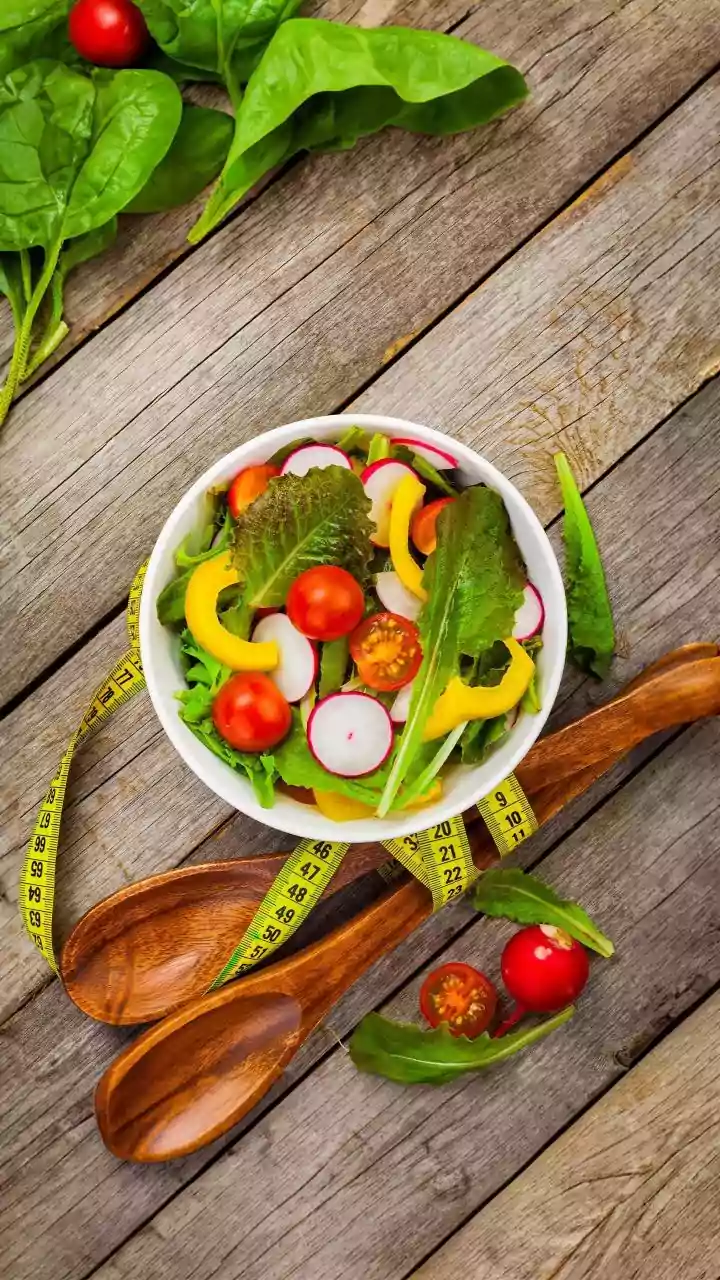
It’s a common piece of advice in Indian households: avoid leafy greens like spinach and cabbage during the monsoon. But why avoid these otherwise healthy vegetables? The reason is purely practical. The damp, muddy conditions are ideal for germs, worms, and pathogens to thrive on these greens. Thoroughly cleaning the grime and microbes from every fold and crevice becomes incredibly difficult. Consuming them raw in salads is particularly risky. If you must have them, ensure they are washed meticulously, perhaps with salt water, and cooked thoroughly through methods like blanching or steaming to kill any harmful microorganisms.
Street Food: A Risky Romance
The craving for hot, crispy pakoras or spicy chaat is almost synonymous with a rainy day. However, indulging in street food during the monsoon is a significant gamble. The water used for chutneys and drinks may be contaminated, and pre-cut fruits or vegetables can be exposed to bacteria for long periods in the humid air. The high humidity also means food, especially fried items, can spoil faster. Health experts strongly advise avoiding street food to prevent gastrointestinal infections and food poisoning. If the craving is irresistible, the safest bet is to prepare these snacks at home where you can control the hygiene and quality of ingredients.
Embrace Warming, Light Meals
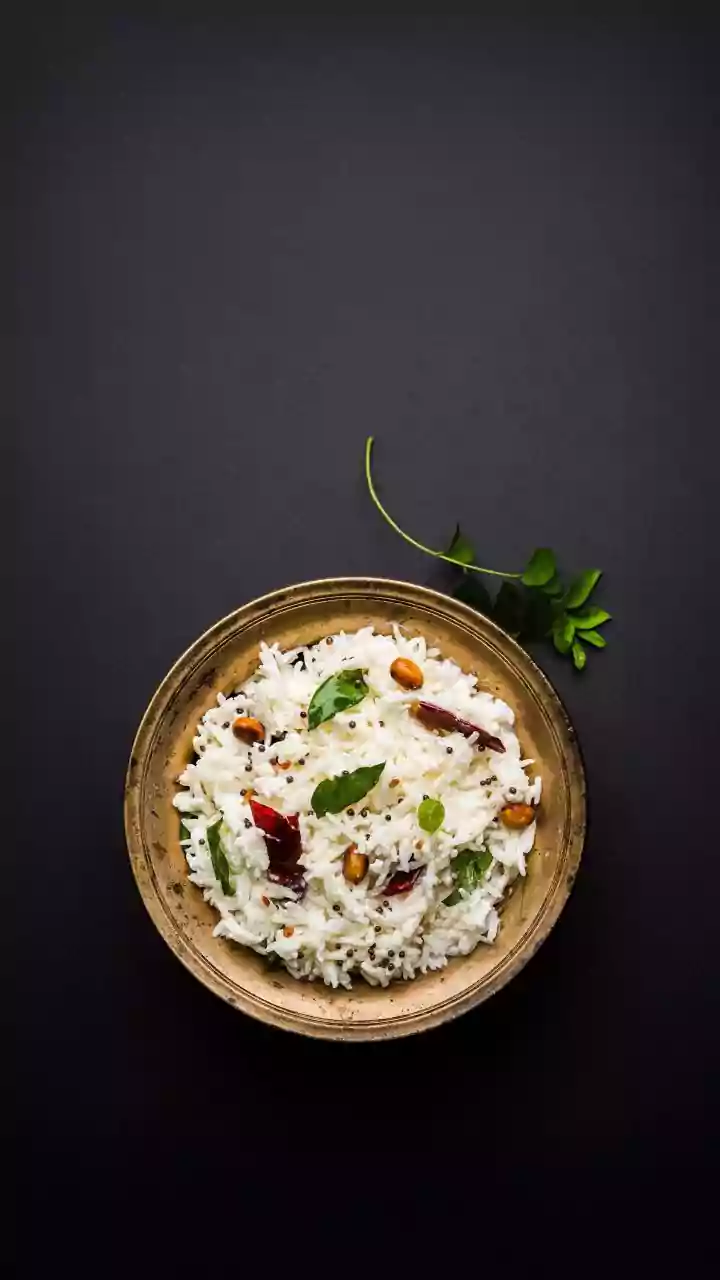
So, what should you eat? Ayurveda’s advice for the monsoon, or 'Varsha Ritu', aligns perfectly with modern nutritional guidance: focus on warm, light, and freshly cooked meals. These are easier on the digestive system. Think comforting bowls of soup, steamed vegetables, and light preparations like khichdi, which is considered an ideal monsoon food for its balance of protein and carbs. Vegetables that grow on vines, like bottle gourd (lauki) and bitter gourd (karela), are traditionally preferred as they have less contact with the damp soil. Eating smaller, more frequent meals can also prevent indigestion and bloating.
Spices and Sips to Boost Immunity
Your kitchen's spice rack is your best ally during the monsoon. Spices like turmeric, ginger, garlic, and black pepper are celebrated for their natural antibacterial, antiviral, and anti-inflammatory properties that help bolster the immune system. Start your day with a warm herbal tea or 'kadha' made with ingredients like tulsi, ginger, and cinnamon to keep infections at bay. It’s also wise to stay well-hydrated, but stick to boiled, filtered, or warm water to avoid contamination. Probiotic-rich foods like fresh curd and buttermilk can also be beneficial for gut health, though some Ayurvedic schools suggest limiting dairy at night.