




Embrace the Art of Layering
The single most effective strategy for multi-climate travel is layering. Instead of packing separate outfits for hot and cold weather, think in terms of a three-part system that you can adapt on the fly. Start with a breathable base layer, like a t-shirt
made of cotton or a technical fabric. Add a mid-layer for insulation; this could be a fleece jacket, a quarter-zip pullover, or a merino wool sweater. Your final piece is a weather-proof outer layer, such as a packable windbreaker or waterproof jacket that can protect you from rain and wind. This system allows you to add or remove pieces as the temperature changes, ensuring you're comfortable whether you’re in a humid city or a cold, high-altitude region.
Choose Your Fabrics Wisely
The materials your clothes are made from make a huge difference. Forgo bulky cotton sweaters and opt for high-performance fabrics. Merino wool is a traveller's best friend; it’s lightweight, provides excellent warmth, wicks away moisture, and naturally resists odours, meaning you can wear it multiple times without washing. For insulation, a packable down or synthetic-fill jacket offers incredible warmth for its weight and compresses down to a small size. For your base layers and shirts, choose quick-drying synthetic blends or lightweight linen and cotton for the warmer parts of your trip. These fabrics are not only comfortable but also easy to wash and dry on the go.
Prioritise Versatile, Dual-Purpose Items
Every item in your bag should earn its place by being as versatile as possible. Think about clothes that can be dressed up or down, or that serve multiple functions. Convertible pants that zip off into shorts are a classic space-saver. A large, lightweight scarf or sarong can be used as a beach cover-up, a shoulder wrap for visiting religious sites, a towel, or for extra warmth on a chilly flight. Choose neutral colours for your main items like pants and jackets—black, khaki, grey, and navy—as they can be easily mixed and matched with a few more colourful tops or accessories. The goal is to create the maximum number of outfits from the minimum number of pieces.
Solve the Footwear Dilemma
Shoes are often the bulkiest and heaviest items in a suitcase. For a multi-climate trip, you need to be strategic. The three-shoe rule is a good guide: one pair of comfortable walking shoes, one pair for smarter occasions or warm weather (like versatile flats or sandals), and one pair of sturdy, weather-resistant shoes if your itinerary includes serious hiking. Wear your heaviest, bulkiest pair (like hiking boots) on the plane to save space and weight in your luggage. If your trip is less focused on trekking, a single pair of durable, water-resistant leather or trail-running sneakers might be all you need, serving you well in cities and on light trails.
Utilise Smart Packing Accessories
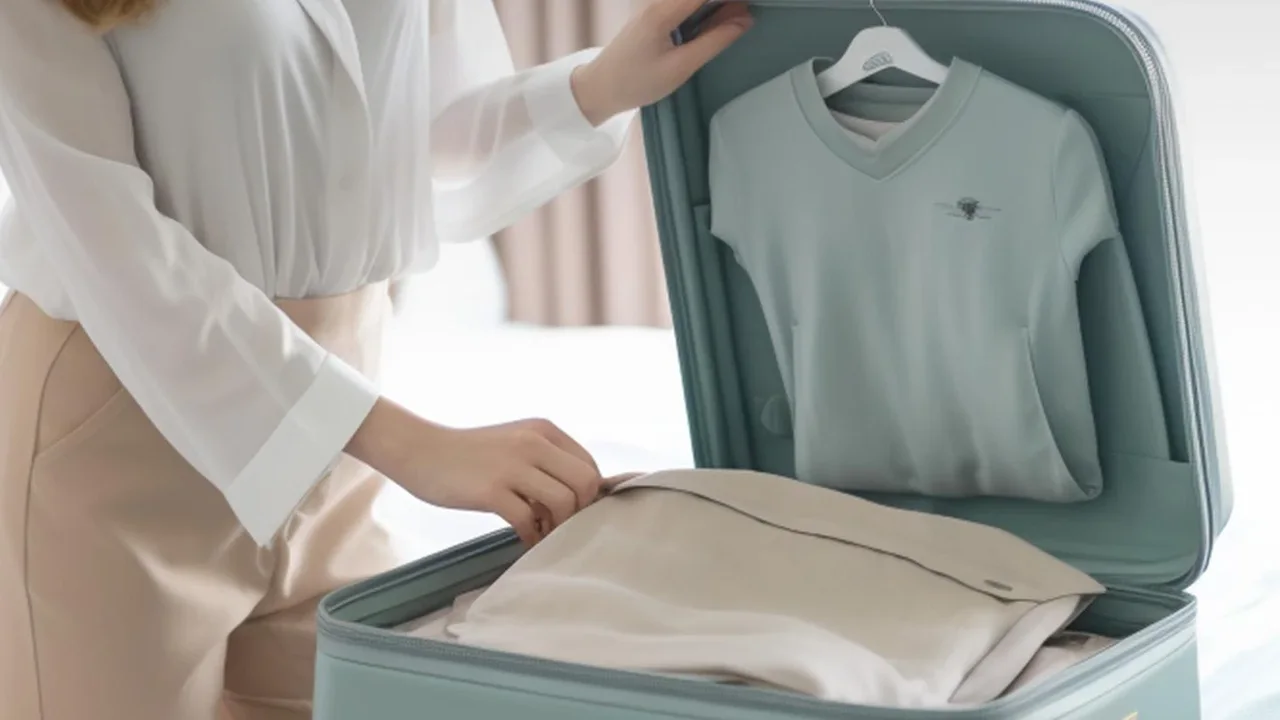
How you pack is almost as important as what you pack. Packing cubes are a game-changer for organisation, allowing you to compartmentalise your clothing by type or by climate. This prevents you from having to rummage through your entire bag to find one item. For bulky items like a down jacket or sweaters, compression sacks can work wonders by squeezing out excess air and significantly reducing their volume. Rolling your clothes instead of folding them is another well-known trick that not only saves space but can also help minimise wrinkles.