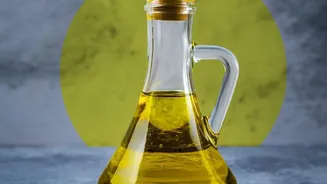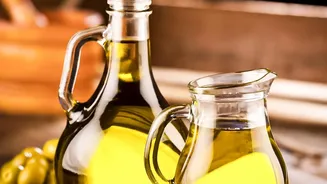







Why Are Oil Prices on the Boil?
The price surge isn't due to a single factor but a combination of global and domestic pressures. India is the world's largest importer of vegetable oils, sourcing nearly two-thirds of its demand from other countries. This makes domestic prices highly
sensitive to international events. Factors like geopolitical conflicts and unpredictable weather patterns, such as El Niño, have disrupted supply chains and affected crop yields in major producer countries like Malaysia, Indonesia, Argentina, and Russia. Another significant factor is the increasing diversion of edible oils, particularly palm oil, for biofuel production in supplier nations like Indonesia. When more oil is used for fuel, less is available for export as food, pushing prices up for major buyers like India.
Which Oils Are Seeing the Biggest Hikes?
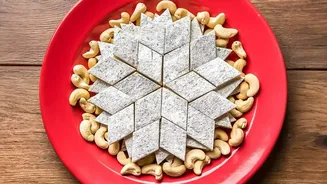
Virtually all major cooking oils have seen a price increase. Recent reports indicate that prices have climbed by nearly 20% over the last year. Data from earlier in 2026 showed significant jumps across the board: sunflower oil prices rose by about 18%, palm oil by 14%, soybean oil by nearly 12%, and even staples like mustard and groundnut oil saw increases of over 7% and 9% respectively. These increases are particularly noticeable as demand naturally rises during the festive season between September and November, a period when the consumption of sweets and fried snacks is at its peak. The government is reportedly considering a cut in import duties to help cool prices, but the impact of such measures can sometimes be limited by rising global markets.
Use Less Oil Without Losing Flavour
The good news is that you can combat rising costs by using less oil, without making your food taste bland. The magic of Indian food lies in its spices, not just the oil. Start by investing in good non-stick cookware, which can drastically reduce the amount of oil needed to prevent sticking. Also, get into the habit of measuring your oil with a spoon instead of free-pouring from the bottle. When your masala starts to dry out in the pan, resist the urge to add more oil. Instead, splash a tablespoon or two of water or vegetable stock to deglaze the pan and continue cooking.
Adopt Smarter Cooking Techniques
Rethinking your cooking methods can lead to significant savings. Instead of deep-frying, consider baking, grilling, or using an air fryer for items like samosas, tikkis, and vegetables. These methods require a fraction of the oil but can still deliver a satisfyingly crisp texture. Steaming is another excellent oil-free technique for dishes like dhokla and fish. For curries, you can create a rich and creamy base without excess oil by using yogurt, low-fat milk, or pureed nuts and seeds. Dry-roasting whole spices in a hot pan before grinding them also helps release their aromatic oils, adding a deep, toasty flavour to your dish that reduces the need for a heavy oil-based tadka.
Be a Savvy Shopper
Being strategic at the grocery store can also help. While sunflower oil is popular for its neutral taste, traditional oils like mustard oil often provide good value and have a strong flavour profile that means you can use less. Pay attention to pack sizes; sometimes, buying a larger tin can reduce the per-litre cost, which is beneficial if your household has high consumption. However, for smaller families, buying large quantities may lead to wastage if the oil goes rancid before it's used up. It's also worth noting that the government has recently moved to standardize edible oil pack sizes to help consumers compare prices more easily.