


The Shift to 'Green' Crackers
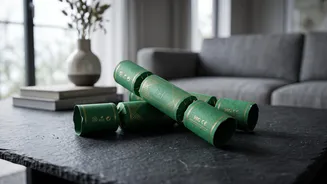
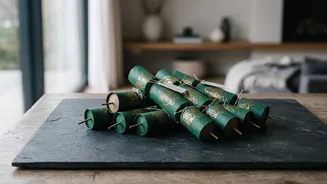
The cornerstone of current regulations is the push towards 'green crackers'. These are not your traditional fireworks. Developed by the Council of Scientific and Industrial Research (CSIR), green crackers are scientifically formulated to reduce emissions
and pollutants. They are designed to cut particulate matter by at least 30 percent. To be considered genuine, they must be approved by the Petroleum and Explosives Safety Organisation (PESO) and carry a distinct green logo and a scannable QR code, which allows consumers to verify their authenticity. This initiative is part of a broader effort, driven by Supreme Court rulings, to balance festive traditions with the fundamental right to clean air.
What Is Strictly Banned?
The Supreme Court has maintained a nationwide prohibition on conventional, polluting firecrackers. This includes a strict ban on fireworks containing harmful chemicals, particularly barium salts, which are known to be toxic. Joined firecrackers, commonly known as 'laris' or 'series crackers', have also been a major point of contention due to the concentrated smoke and noise they produce. While there have been discussions around allowing 'next-generation' joined green crackers under strict conditions, traditional laris remain broadly prohibited. Furthermore, the sale of any firecrackers, including green ones, through online e-commerce platforms is strictly forbidden.
Know Your Time Window
Even for permitted green crackers, there are strict time limits for their use. The Supreme Court has repeatedly favoured a balanced approach, ruling out both a complete, nationwide ban and unrestricted use. Based on established guidelines, a common time slot for bursting crackers on Diwali night is between 8 PM and 10 PM. Similar short windows are often designated for other festivals like Gurpurab, Chhath Puja, Christmas, and New Year's Eve. These time frames are not mere suggestions; they are legally enforceable restrictions designed to minimise noise and air pollution during peak hours. Authorities have made it clear that violating these time limits can result in penalties.
State Rules Can Be Stricter
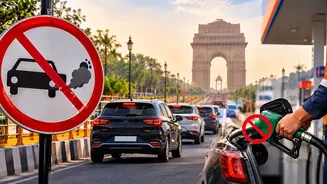
While there are national guidelines, it is crucial to remember that individual states and cities have the authority to implement stricter rules. Regions with historically poor air quality, most notably Delhi and the National Capital Region (NCR), frequently impose a complete ban on the sale, storage, and use of all types of firecrackers, irrespective of whether they are 'green'. Other states may also issue their own advisories based on prevailing air quality levels. For example, the Bombay High Court has upheld a ban on bursting firecrackers on public streets throughout the year for all festivals. Therefore, it is essential for citizens to check the latest notifications from their local district administration, pollution control board, or police department for area-specific rules.
Penalties for Violations
Ignoring the rules comes with legal consequences. Individuals found manufacturing, storing, selling, or using banned firecrackers can face serious penalties. Law enforcement often uses provisions of the Explosives Act, 1884, and the Indian Penal Code (IPC). Punishment for the illegal manufacture or sale of explosives can include imprisonment for up to three years and significant fines. In cities like Delhi, even the act of bursting banned crackers can lead to fines and potential jail time under IPC Section 268 (public nuisance). Police departments in major cities have been forming special teams to enforce these bans, confiscating tonnes of illegal fireworks ahead of the festive season.