
The Potent Mix: Monsoon Beauty and Hidden Dangers
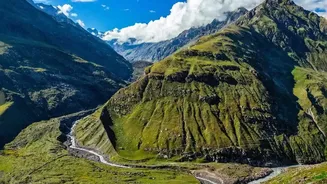
Mid-August paints the Himalayan meadows in vibrant, rain-washed greens, with waterfalls thundering at full force. It is an undeniably magical time to trek. However, this beauty comes with a price. The monsoon season, from June to September, is the most
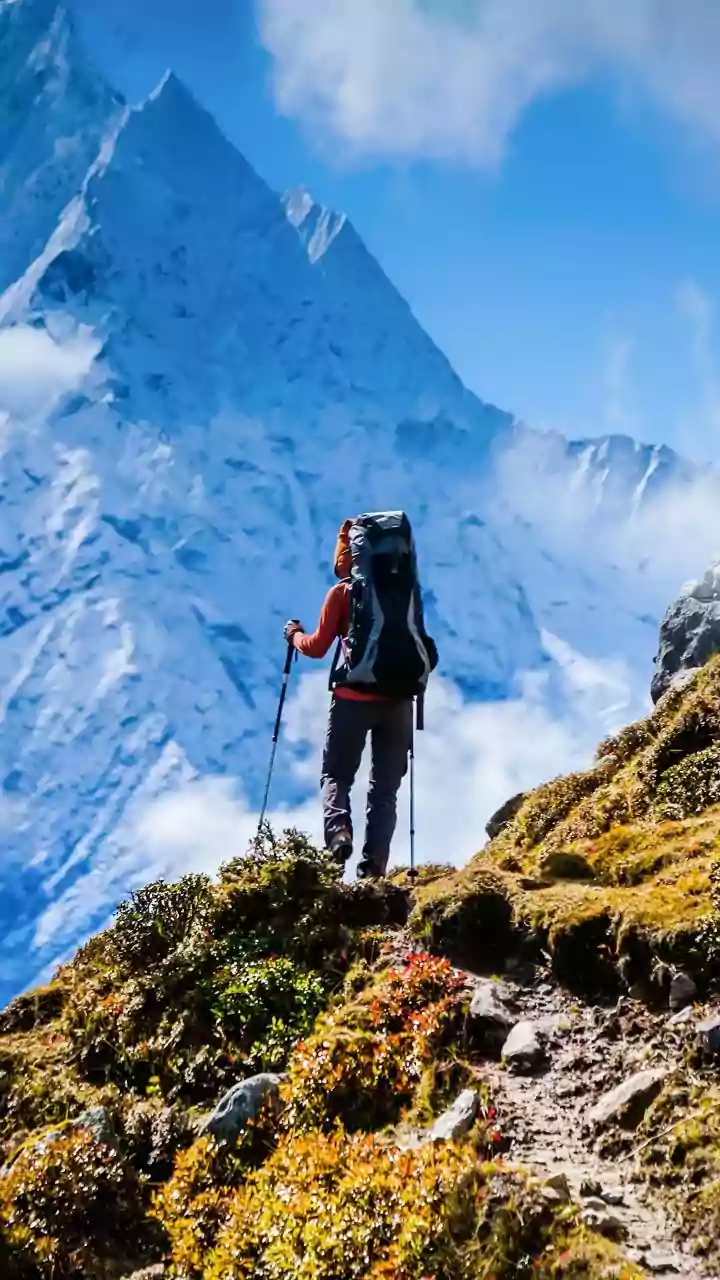
hazardous period for trekking in Uttarakhand. Trails that are gentle in other seasons can become treacherous. Consistent rain makes paths extremely slippery, dramatically increasing the risk of falls on narrow ledges. More seriously, heavy rainfall saturates the soil, leading to a high risk of landslides that can block routes or prove fatal. Even a short, intense downpour can cause streams and rivers to swell into raging, uncrossable torrents, potentially trapping trekkers for days. These are not hypothetical risks; they are annual realities in the mountains.
The Challenge of the Long Weekend Rush
The Independence Day holiday invariably triggers a massive surge of tourists heading for the hills. While this creates a festive atmosphere, it also strains local resources and magnifies potential dangers. Popular trails like the Valley of Flowers can become crowded, and with a mix of experienced and novice trekkers, the likelihood of accidents increases. This holiday rush means more people on trails that are already compromised by weather. In an emergency, this surge can slow down rescue operations. A larger number of people, many of whom may not be properly equipped or prepared for mountain conditions, puts a collective strain on the fragile ecosystem and local administrative and safety services.
What 'Certified' Actually Means
It’s crucial to understand the difference between a local who offers to show you the way and a professionally certified guide. A certified guide, often with qualifications from institutes like the Nehru Institute of Mountaineering (NIM), has undergone rigorous training. This training isn't just about knowing the path. It covers critical skills like wilderness first-aid, crisis management, high-altitude acclimatization protocols, and advanced navigation. They are trained to assess risks, like evaluating the stability of a snow bridge or the safety of a river crossing. Recent government regulations being drafted for Uttarakhand aim to make such certifications mandatory for high-altitude guides, underscoring their importance for trekker safety.
The Guide's Role in a Crisis
A guide's true value becomes priceless when things go wrong. If a trekker shows symptoms of high-altitude sickness, a guide can identify it early and take corrective action, which can be life-saving. In sudden white-outs or dense fog, where visibility drops to a few metres, a guide's navigational skills are the only thing that can prevent a group from getting lost. Should a landslide block the trail, a certified guide knows the alternate, safe routes that don't appear on any map. They carry communication devices and have a network of local contacts, enabling them to coordinate with village headmen or district authorities for a rescue, a feat nearly impossible for an outsider with no network coverage.
Making the Right Choice: Finding Your Guide
Hiring a certified guide is an investment in your life. Don't leave it to chance. The best way to find one is through a reputable, government-registered trekking agency. These companies are required to hire certified and experienced staff. Before you book, ask the agency about their guides' certifications and experience level, especially their experience with monsoon trekking on your chosen route. Reputable companies will happily provide this information and will conduct pre-trek briefings covering safety protocols and gear checks. Remember, trekking without registration is illegal in many protected zones, and hiring a guide often smooths the process for necessary permits.