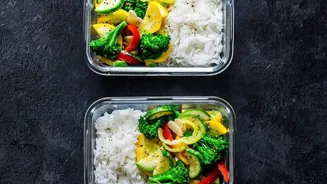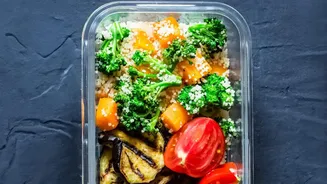

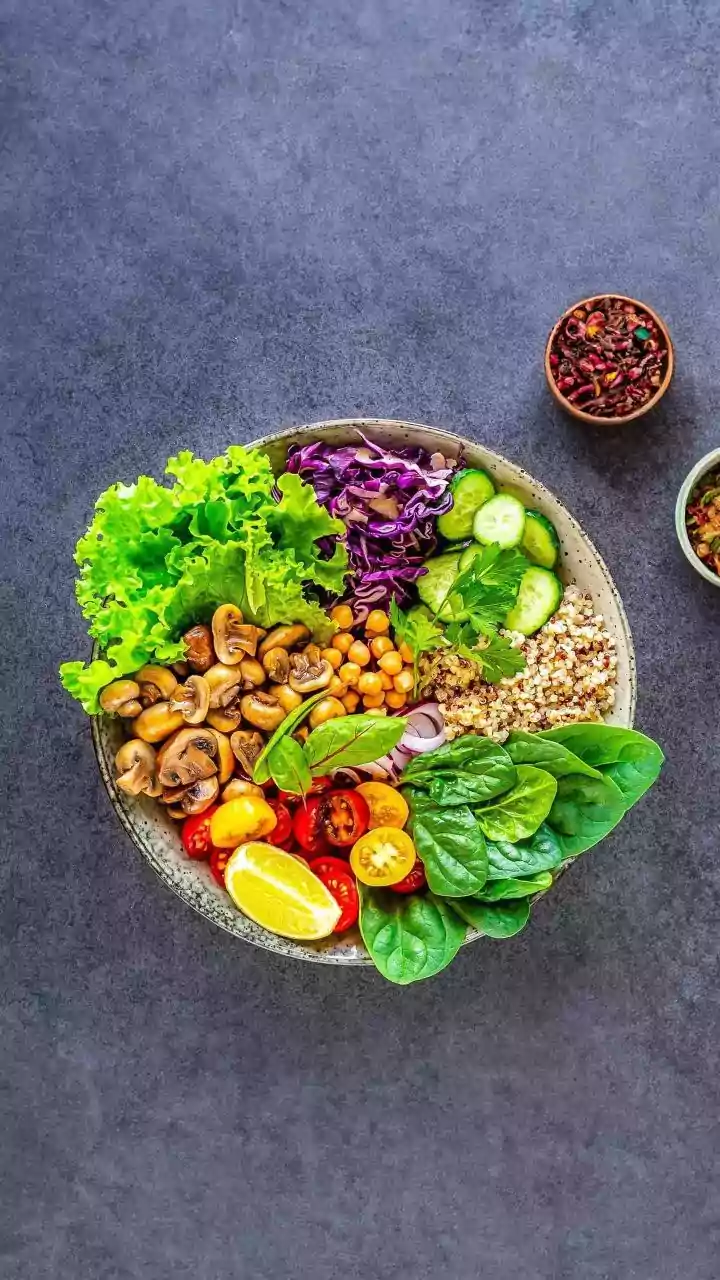


The dream of home-cooked meals often clashes with busy schedules, leading to food waste and takeout fatigue. A twice-weekly batch cooking system offers a practical solution to reclaim your kitchen, save money, and eat well all week.
Why Cook Twice a Week?
The classic Sunday
meal prep marathon can be daunting, and by Thursday, some prepped foods can lose their freshness. A twice-weekly model breaks the work into two manageable sessions. This approach ensures meals are fresher and more appealing later in the week. A shorter, mid-week session allows for cooking delicate vegetables or proteins that don't store as well, giving you variety without the daily grind of cooking from scratch. This method reduces 'decision fatigue'—the mental energy spent figuring out what to eat each night. It's a sustainable rhythm that fits modern life, keeping you on track with healthy eating without overwhelming your schedule.
Session One: The Sunday Foundation
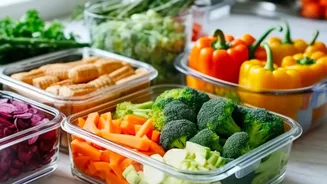
Your first session, typically on a weekend, is for laying the groundwork. This is the time to tackle ingredients that take longer to cook but store well. Start by prepping your base aromatics, like a large batch of onion-tomato masala or ginger-garlic paste, which can form the foundation for several curries. Cook sturdy dals and legumes like chana or rajma in a pressure cooker. Prepare a large batch of a versatile grain, such as basmati rice or quinoa. Wash and chop hardy vegetables like carrots, beans, and cauliflower, storing them in airtight containers. You can also make dressings or chutneys that will last the week. This session is about creating components you can mix and match later.
Session Two: The Mid-Week Refresh
Around Wednesday, a shorter, 30-to-60-minute session can refresh your options for the rest of the week. This is the time to cook quick-cooking proteins like paneer, chicken, or fish that you marinated during the Sunday prep. Use your pre-made masala base to quickly assemble a fresh sabzi or curry. You can also prepare items that are best eaten fresh, like dough for rotis or a new batch of rice. This session is perfect for using up any remaining prepped vegetables from Sunday and ensures the meals you eat on Friday are just as appealing as the ones on Monday.
Planning That Prevents Waste
Effective batch cooking is impossible without smart meal planning. Before you shop, take an inventory of your fridge, pantry, and freezer. Plan your week's meals around what you already have. Create a detailed shopping list based on your plan to avoid impulse buys that often go to waste. A key strategy is to plan meals that use overlapping ingredients. For instance, if you buy a large bunch of coriander, plan for it to be used in a dal, a chutney, and as a garnish. Create an 'eat me first' box in your fridge for items that are nearing their expiry date to ensure they get used promptly.
Smart Storage Is Crucial
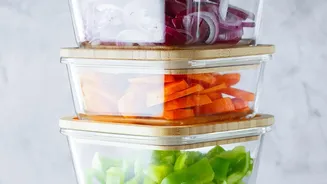
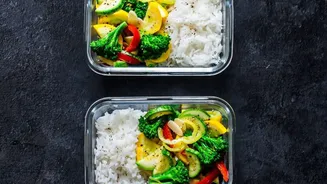
How you store your food is just as important as how you cook it. Invest in a good set of airtight containers, preferably glass, as they don't stain or retain odours and can often go from the fridge to the microwave. Portion your batch cooked meals into individual servings. This not only helps with portion control but also makes grab and go lunches easy. Label everything with the contents and the date it was made. Most cooked meals are best consumed within 3–4 days when refrigerated. For anything you won't eat in that window, the freezer is your best friend. Dals, curries, and breads like parathas freeze beautifully.