

Millets: The Ancient Grain Powerhouse
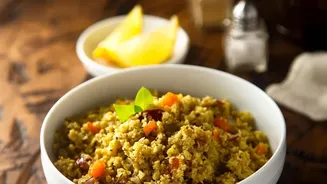
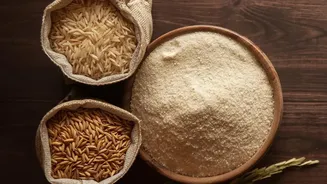
Millets such as jowar (sorghum), bajra (pearl millet), and ragi (finger millet) are packed with fibre and nutrients. They contain significantly more dietary fibre than refined wheat and white rice, making them excellent for digestion and blood sugar control.
Seamless Swap: Start by mixing millet flour with your regular whole wheat atta to make rotis or parathas. This simple addition boosts fibre without drastically changing the taste or texture. You can also use jowar or bajra flour to make bhakri, or incorporate ragi into dosa and uttapam batters for a nutritious breakfast.
Lentils and Pulses: The Heart of the Meal
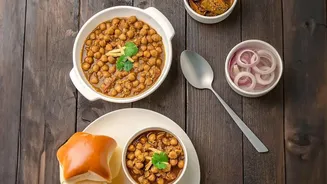
Dals and pulses like chana (chickpeas), rajma (kidney beans), and moong are foundational to Indian cooking and are naturally rich in both protein and fibre. Chana dal and rajma are particularly high in fibre. Seamless Swap: Beyond the daily dal, think of using these pulses in other forms. Ground lentils can thicken gravies, replacing refined flours. Sprouted moong or chana can be added to salads and side dishes for extra crunch and fibre. You can also make savoury pancakes like moong dal chilla, a delicious and fibre-rich option for any meal.
Seeds: Tiny but Mighty
Flaxseeds, chia seeds, and sesame seeds are small but incredibly potent sources of fibre and healthy fats. Just a spoonful can significantly increase your meal's nutritional value. Seamless Swap: The easiest way to incorporate flaxseeds is to roast and grind them into a powder. This powder can be discreetly added to roti or paratha dough, chutneys, or even sprinkled over curd. Chia seeds can be stirred directly into raita, sprinkled over sabzis, or kneaded into atta. Their neutral taste means they blend in effortlessly, making your everyday meals more nourishing.
Everyday Vegetables: The Unsung Heroes
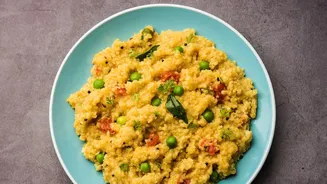
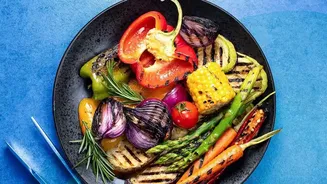
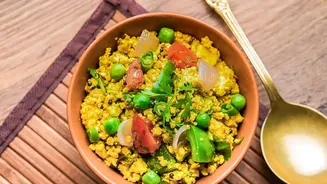
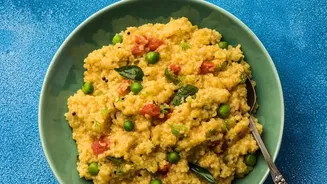
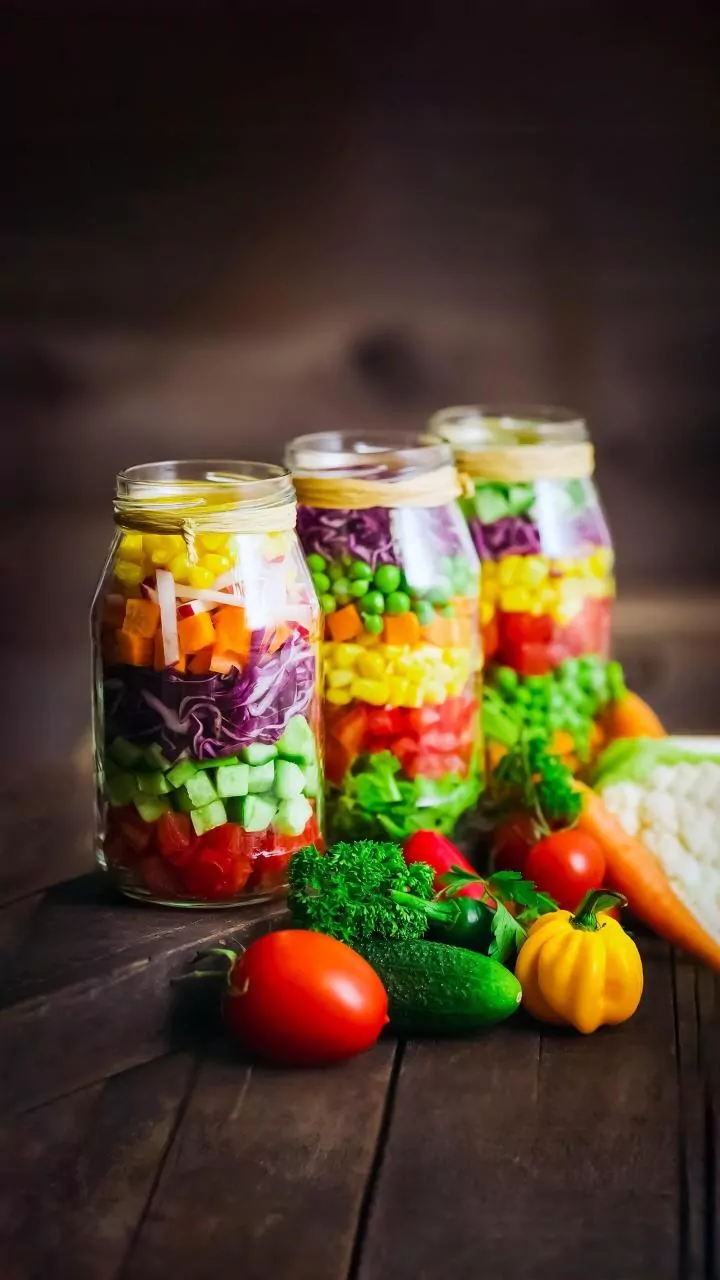
Many vegetables common in Indian cuisine are excellent sources of fibre. Bhindi (okra), green peas, beans, lauki (bottle gourd), and leafy greens like spinach are already part of our diet. The key is to increase their proportion in your meals. Seamless Swap: When making mixed vegetable sabzis, simply add a greater quantity and variety of these high-fibre options. Add green peas to poha or upma, or include finely chopped carrots and beans in your pulao. These additions not only boost fibre but also add colour, texture, and vitamins to your food.
Psyllium Husk (Isabgol): The Fibre Concentrate
While more of a supplement than a food, psyllium husk, or Isabgol, is one of the most concentrated sources of soluble fibre available. It is derived from the seeds of the Plantago ovata plant and is largely tasteless. Seamless Swap: A small amount of Isabgol can be added to batters for dosa or idli, or even mixed into atta for rotis. Because it absorbs a lot of water and forms a gel, it's crucial to use it in small quantities and ensure you drink plenty of fluids throughout the day. This can boost the fibre content of your meal significantly without anyone noticing.