
Guarding Against Invisible Radiation
One of the most significant dangers on the Moon is something you can't see: radiation. Without Earth's protective atmosphere and magnetic field, astronauts are exposed to a constant barrage of galactic cosmic rays and unpredictable solar particle events.
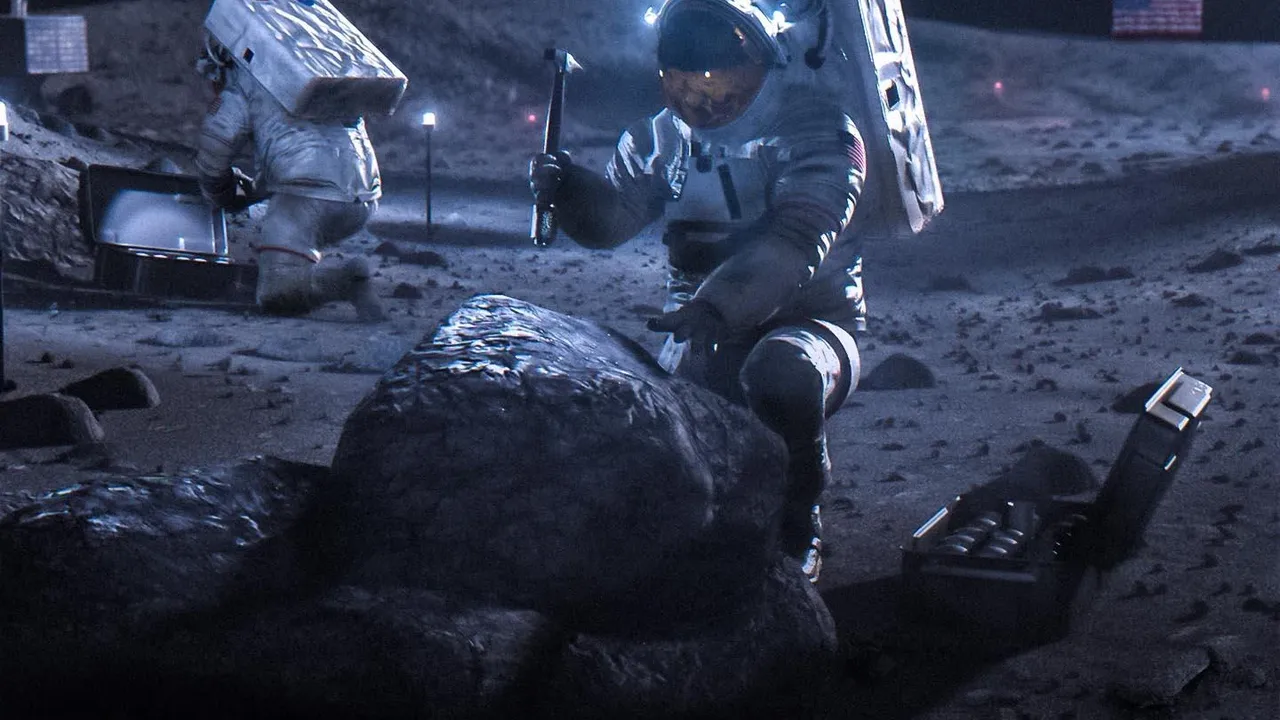
The radiation dose on the Moon is about 200 times higher than on Earth's surface and 2.6 times greater than on the International Space Station (ISS). This level of exposure increases the long-term risk of cancer, cataracts, and damage to the central nervous system. To survive, astronauts will need heavily shielded habitats, potentially covered in thick layers of lunar soil, or regolith, for protection. Their spacesuits will also require advanced radiation-blocking materials for any activities outside their base.
The Challenge of One-Sixth Gravity
While floating in microgravity on the ISS looks fun, it takes a toll on the body. The Moon's gravity, which is only about 17% of Earth's, offers some relief but doesn't eliminate the problem. In a low-gravity environment, the human body begins to decondition. Bones lose density, muscles atrophy, and the cardiovascular system weakens because it doesn't have to work as hard to pump blood. To counteract this, astronauts on future lunar missions will need a rigorous daily exercise regimen, similar to the two-plus hours performed on the ISS. This will likely involve specially designed equipment like treadmills, cycle ergometers, and resistance machines adapted for the lunar environment to maintain physical health.
Fighting the Dangerous Lunar Dust
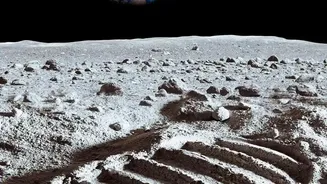
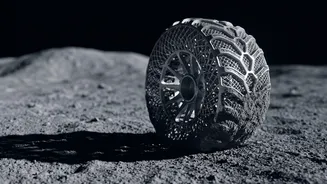
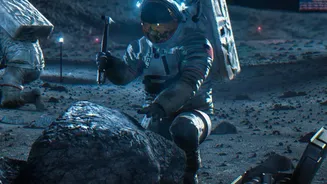
The Moon is covered in a fine, abrasive powder called regolith, or lunar dust. Unlike the dust on Earth, which is worn smooth by weather, lunar dust particles are sharp, jagged, and electrostatically charged, causing them to cling to everything. During the Apollo missions, astronauts reported that this dust caused irritation to their eyes, skin, and respiratory systems, a condition some called 'lunar hay fever'. The fine particles can be inhaled deep into the lungs, where their abrasive nature and chemical reactivity could cause long-term damage similar to silicosis. Future missions will require advanced habitat filtration systems, better suit designs to minimize dust transfer, and strict procedures for cleaning equipment and suits after every venture onto the surface.
Maintaining Mental Fortitude
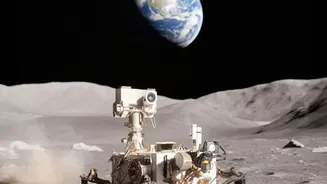
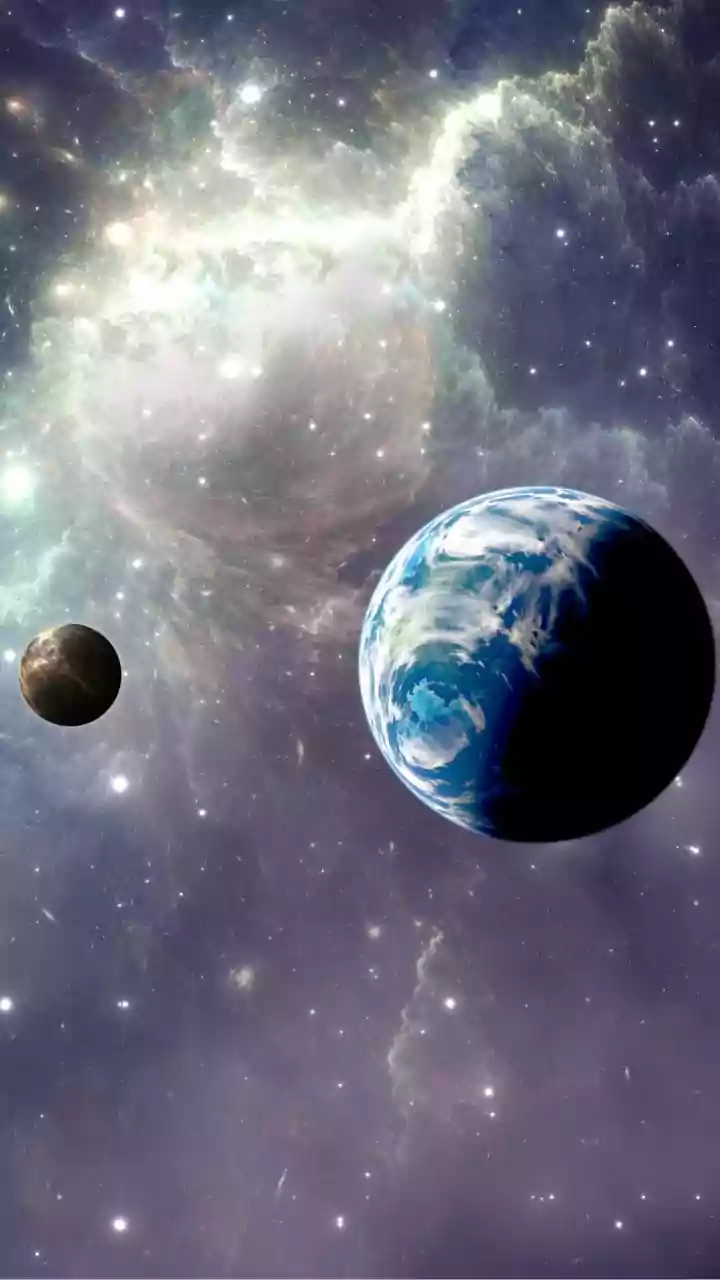
The psychological toll of a long-duration lunar mission cannot be underestimated. Astronauts will live in small, confined spaces for months, isolated from family and the familiar sights of Earth. This prolonged isolation, combined with the high-stress environment and demanding work schedule, can lead to anxiety, depression, sleep disturbances, and interpersonal conflicts. Seeing the Earth as a distant, fragile marble can also induce a profound psychological shift known as the 'overview effect', which can be both awe-inspiring and unsettling. To stay healthy, crews will undergo extensive mental preparation and will need robust psychological support systems, regular communication with loved ones, and carefully managed work-rest cycles to prevent burnout.