







A New Era of Overnight Travel
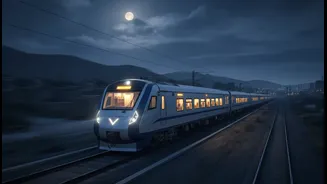
Indian Railways is rolling out a game-changing addition to its fleet: the Vande Bharat sleeper train. Designed for long-distance overnight journeys between 800 and 1,200 kilometres, these self-propelled trainsets aim to provide a superior alternative
to both existing premium trains like the Rajdhani Express and, in some cases, air travel. The first commercial service was launched in January 2026, marking a new chapter in Indian rail mobility. Capable of reaching speeds up to 180 km/h, these trains are expected to significantly reduce travel time on key routes, making weekend getaways and longer holidays more accessible for millions. The vision is ambitious, with plans to introduce many more of these trains across the national network in the coming years.
Inside the World-Class Coaches
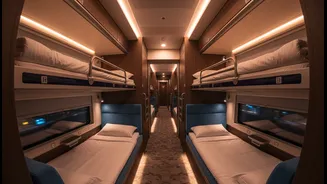
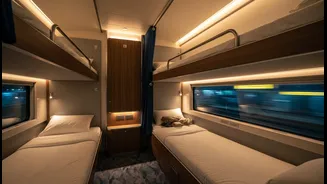
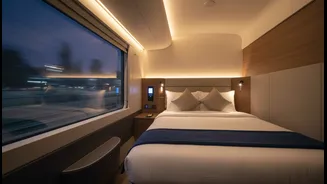
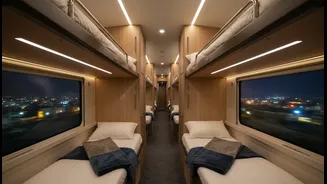
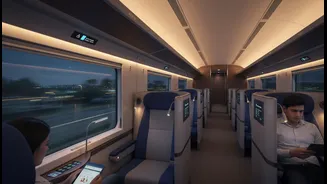
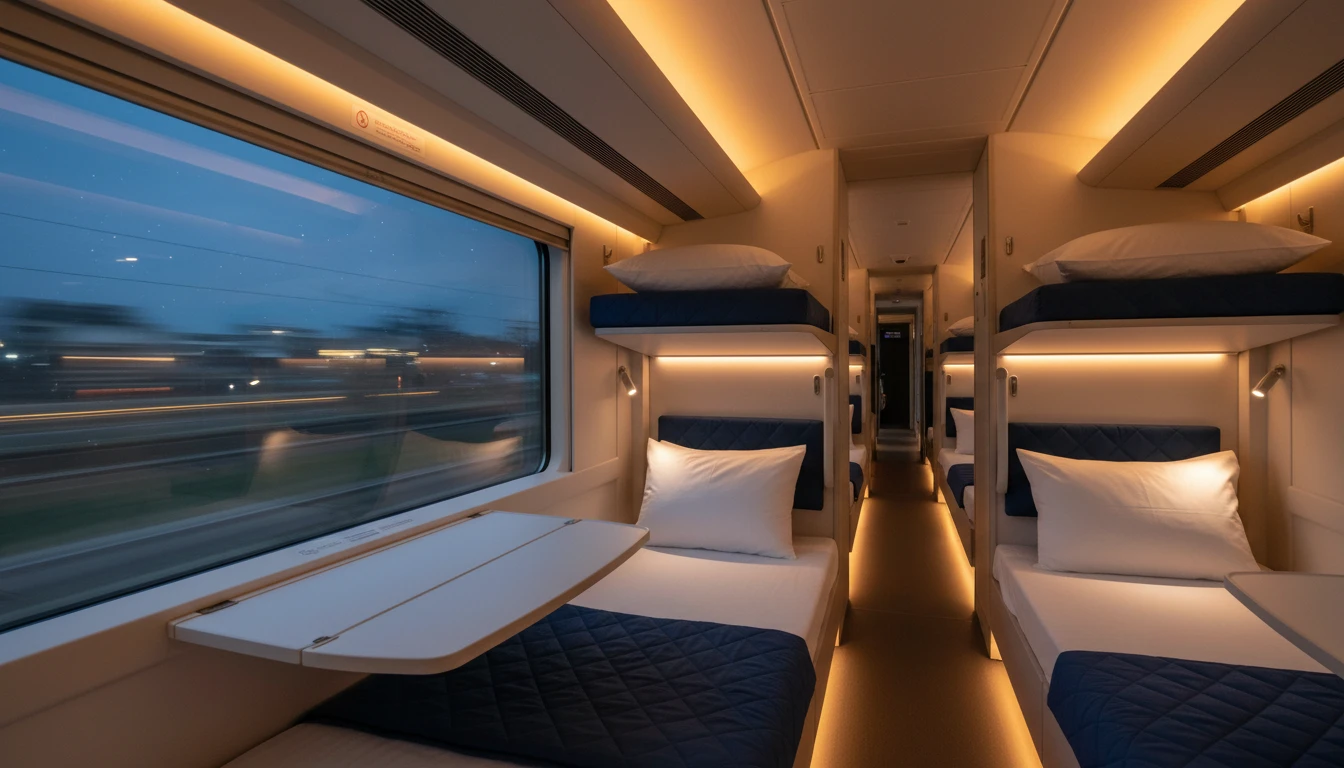
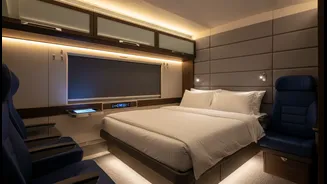
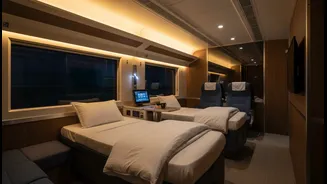
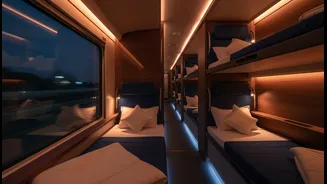
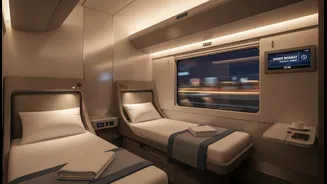
The passenger experience is at the heart of the Vande Bharat sleeper's design, which many compare to European standards. Each 16-coach train can accommodate up to 823 passengers across three classes: AC First, AC Two-Tier, and AC Three-Tier. The interiors feature ergonomically designed berths with extra cushioning for enhanced comfort. Thoughtful additions include integrated reading lights with USB charging ports, sensor-based water taps, bio-vacuum toilets, and advanced passenger information systems. Special attention has been given to safety, with the indigenous KAVACH anti-collision system, CCTV cameras, and materials that meet high fire safety standards. For the first time on Indian Railways, the AC First class even includes showers with hot water, adding a touch of luxury to the journey.
Connecting Key Tourist and Pilgrimage Circuits
The rollout of Vande Bharat sleeper services is strategically focused on routes that will maximise their impact on tourism. The inaugural service connects Howrah and Kamakhya, a vital corridor linking Eastern and North-Eastern India. Another recently launched service connects Amritsar and Varanasi, two of the country's most significant spiritual destinations, aiming to give a major boost to faith-based tourism. Future routes are set to connect major hubs like Bengaluru and Mumbai, improving connectivity for both business travellers and tourists visiting the financial capital or the tech hub and its surrounding attractions. By linking major cities with tourist hotspots, Indian Railways is making it easier and faster for people to explore the country's diverse cultural and natural heritage.
The Ripple Effect on Local Economies
The introduction of faster, more comfortable, and reliable train services has a proven positive effect on local economies. The existing Vande Bharat chair car services have already demonstrated this, leading to increased footfall in hotels, restaurants, and shops in connected cities. The sleeper variant is expected to amplify this effect. By making overnight travel more appealing, these trains can encourage more frequent short trips and pilgrimage journeys. This increased mobility directly translates into more spending in local markets, supporting small businesses and creating jobs in the tourism and hospitality sectors. The improved connectivity helps bring previously harder-to-reach destinations into the mainstream tourist circuit, distributing the economic benefits of tourism more widely across the country.
A Viable Alternative to Air Travel
For many overnight routes, the Vande Bharat sleeper presents a compelling alternative to flying. While a flight might be shorter in the air, the total travel time—including travel to and from airports, check-in, and security—can often be comparable to a 10-12 hour train journey. The sleeper train offers the advantage of saving on a night's hotel accommodation and avoiding the hassles of airport procedures. With fares expected to be competitive with Rajdhani services and significantly lower than last-minute flight tickets, the Vande Bharat sleeper is positioned as a comfortable, convenient, and cost-effective option for both families on vacation and professionals on business trips.