







Just How Deficient Was the Rain?
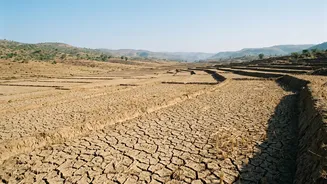
The India Meteorological Department (IMD) has confirmed that the June to September monsoon ended with a rainfall deficit of 12.6% below the long-term average, making it the weakest monsoon since 2015. This national average, driven by a powerful El Niño
weather pattern, also hides significant regional disparities. The east and northeast were the country's driest regions, with a 26% shortfall, while other areas experienced uneven distribution, with prolonged dry spells followed by intense bursts of rain. This patchiness is critical, as the timing of rain is just as important as the total volume for healthy crop growth.
The Direct Hit on Kharif Crops
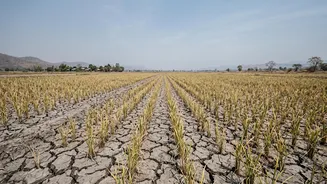
The monsoon is the lifeblood for India's Kharif (summer-sown) crops. The lack of consistent rain has directly threatened the output of key staples. While overall acreage sown was only slightly below last year, the real concern has shifted from sowing to yield—the actual amount of crop harvested per hectare. Rain-fed crops are the most vulnerable. These include pulses (like tur), oilseeds (like soybean and groundnut), maize, and cotton, many of which were in critical growth stages when the dry spells hit. Even paddy (rice) sowing has seen a decrease in key states, though areas with better irrigation are less exposed. The lower water levels in India's major reservoirs, now at a decade low for this time of year, also pose a significant risk for the upcoming Rabi (winter) crop season.
The Ripple Effect on Your Wallet
The link between a poor monsoon and your household budget is direct: lower crop production leads to tighter supply, which in turn pushes prices up. Food inflation, which already accounts for about half of the consumer price index, has been accelerating. Even before the full impact of the weak monsoon was felt, food inflation in August reached 5.95%. Prices for essentials like pulses, vegetables, and edible oils are expected to feel the pressure most acutely. For example, inflation for pigeon peas and black gram was already elevated in August. Economists warn that the deficient rainfall could add a significant bump to overall food inflation in the coming months, squeezing household purchasing power in both rural and urban areas.
How the Government Is Responding
The government is taking steps to manage the expected price pressures and shield consumers. One of the key measures being considered is lowering import duties on certain pulses, like lentils and yellow peas, to bolster domestic supplies. This tactic has been used before with items like edible oils and sugar to curb domestic price rises ahead of the festive season, when demand typically spikes. Officials are also banking on the country's substantial buffer stocks of wheat and rice to help stabilise prices and prevent sharp shocks in the market. However, these interventions must contend with a complex economic picture, including a weaker rural economy where lower farm incomes are expected to dampen spending.
Broader Economic Tremors
The impact of a weak monsoon extends beyond the kitchen table. It creates a domino effect across the wider economy. Weaker farm incomes translate into slower rural consumption, affecting sales of everything from two-wheelers to everyday consumer goods. This has prompted rating agencies to trim their forecasts for agricultural growth for the financial year. Furthermore, persistent food inflation complicates the job of the Reserve Bank of India (RBI). With inflation already a concern, the central bank has less room to cut interest rates, and some economists are even predicting rate hikes to contain the price pressures. The health of the monsoon, therefore, becomes a crucial factor not just for farmers, but for national economic policy and stability.