

Ranthambore National Park, Rajasthan
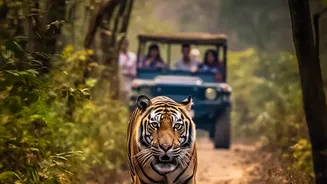
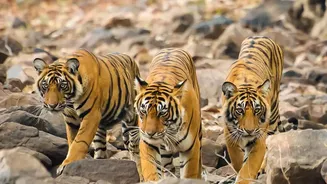
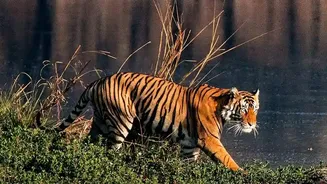
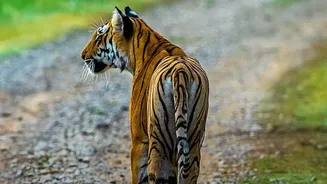
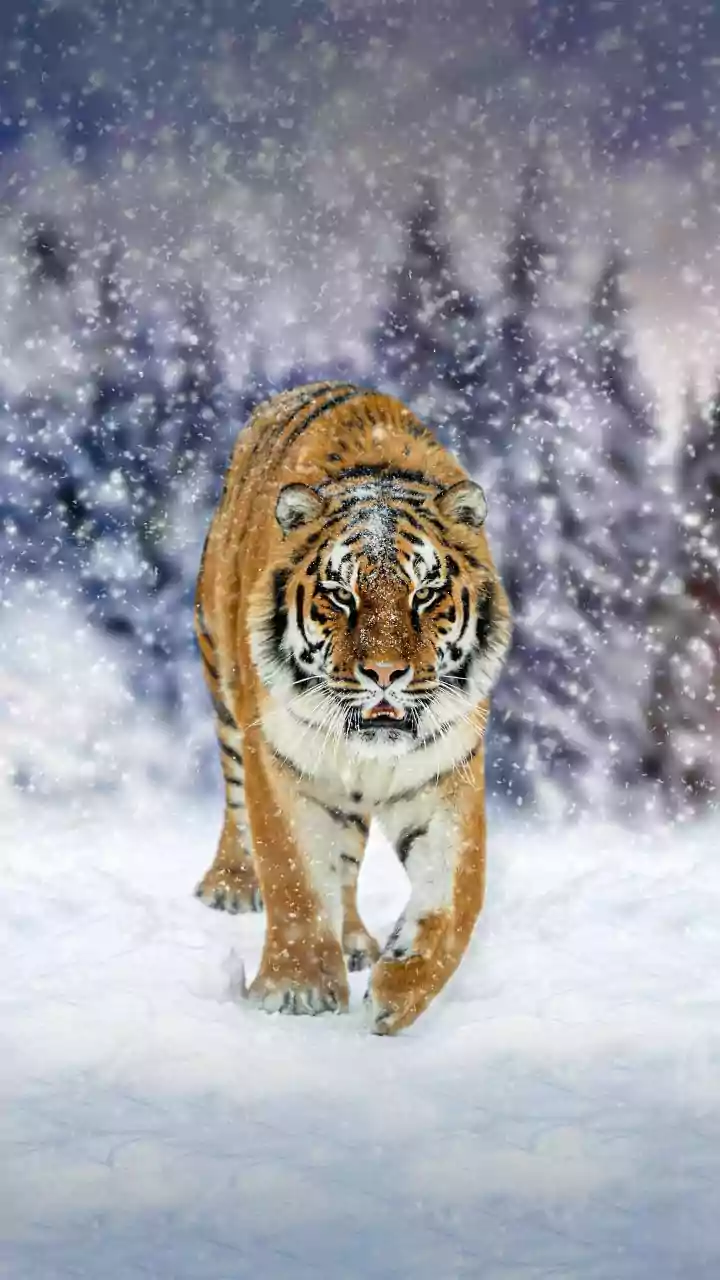
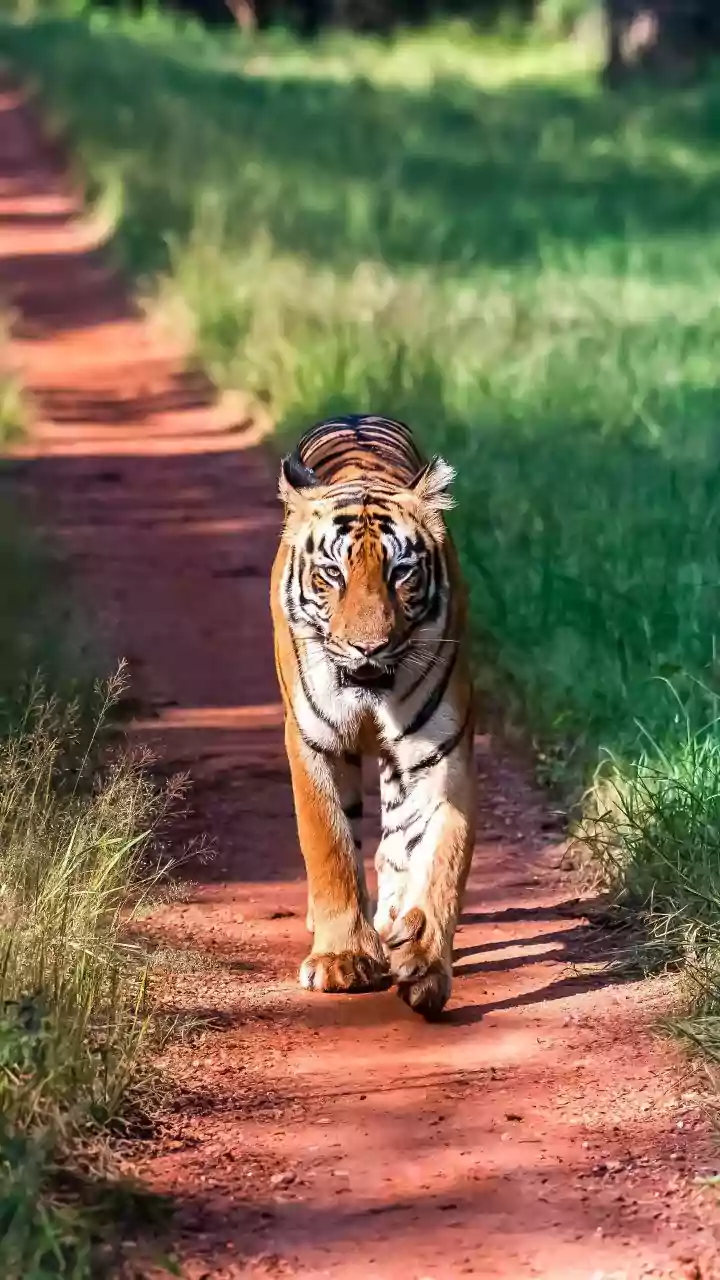
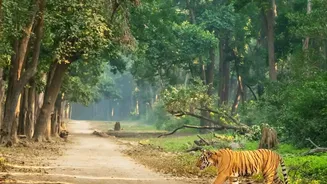
Famous for its significant Bengal tiger population, Ranthambore becomes particularly rewarding in winter. The pleasant daytime temperatures, which hover between 10°C and 25°C, entice these majestic predators to come out and bask in the sun, increasing
the chances of a memorable sighting. The dry deciduous forests are less dense after the monsoon, offering clearer views of not just tigers, but also leopards, sloth bears, and sambar deer. The park’s landscape, dotted with ancient ruins and dominated by the historic Ranthambore Fort, provides a dramatic backdrop for wildlife photography in the soft winter light. This season is also excellent for birdwatching, as migratory species arrive to join the park's resident birds.
Kaziranga National Park, Assam
Winter is the prime season to visit this UNESCO World Heritage Site, as the park reopens to visitors from November after the monsoon floods subside. Kaziranga is globally celebrated for being home to two-thirds of the world's great one-horned rhinoceros population. In winter, the tall elephant grass is often cut or burned, which dramatically improves visibility, making it easier to spot these prehistoric-looking giants grazing in the misty floodplains. The cool, comfortable weather is ideal for both jeep and elephant safaris, with the latter offering an unparalleled, up-close perspective. Beyond rhinos, winter is a fantastic time for birders, as the park's wetlands attract a huge number of migratory birds, including bar-headed geese and various eagles.
Jim Corbett National Park, Uttarakhand
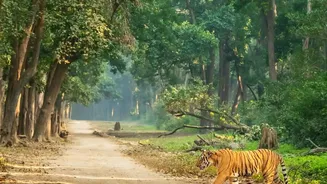
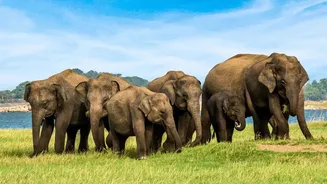
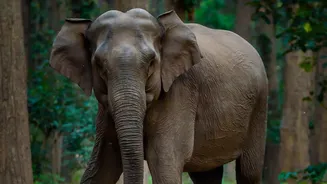
Nestled in the foothills of the Himalayas, India's oldest national park offers a serene and crisp winter experience. All safari zones of the park are open, each providing a different landscape, from vast grasslands in Dhikala to dense sal forests in Bijrani. Winter safaris are defined by cool, foggy mornings that give way to bright, pleasant afternoons. This weather is perfect for spotting Royal Bengal tigers sunning themselves and herds of Asiatic elephants roaming the 'chaurs' (grasslands). Leopards are also more active during this season. For bird enthusiasts, winter is the peak migratory season, and the Ramganga reservoir becomes a hotspot for hundreds of species, making it a birdwatching paradise.
Keoladeo National Park, Rajasthan
Formerly known as Bharatpur Bird Sanctuary, this man-made wetland is a UNESCO World Heritage Site and a winter haven for birdwatchers. From October to February, the park transforms into a vibrant aviary, hosting thousands of migratory birds from Siberia, Europe, and Central Asia. Here, you can see huge flocks of bar-headed geese, northern pintails, common teals, and various eagles. Unlike other national parks, Keoladeo is best explored on foot, by bicycle, or on a cycle-rickshaw, with the rickshaw pullers being expert local guides. The sheer density and diversity of birdlife, with over 370 recorded species, make it an essential winter destination for anyone passionate about ornithology.
Tadoba Andhari Tiger Reserve, Maharashtra
Tadoba has gained a reputation for its high tiger density and frequent sightings. While summers are hotter, the winter months from November to February offer the most comfortable and pleasant safari conditions, with mild temperatures perfect for full-day exploration. The forest, lush and green after the monsoon, is a stunning sight, and the clear light is ideal for photography. Besides tigers, Tadoba is home to a diverse range of predators and prey, including leopards, sloth bears, wild dogs (dholes), and gaur (Indian bison). Winter is also a great time to spot a variety of migratory birds, especially on a boat safari on the Irai Lake, adding another dimension to your wildlife experience.