






The Seductive Promise of Automation
It’s easy to see the appeal of a fully automated hotel experience. For the weary business traveller, skipping the front desk queue and heading straight to their room via a digital key is a welcome relief. For hotel operators, the benefits are even clearer.
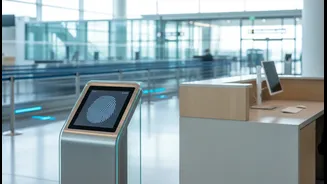
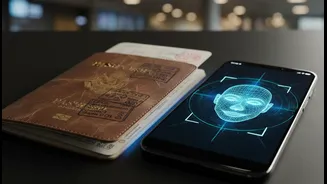
Automation promises to reduce operational costs, streamline routine tasks like check-in and billing, and mitigate persistent labour shortages. Technologies like AI-powered chatbots can answer common questions 24/7, freeing up staff from repetitive inquiries. Hilton, for example, reported a significant reduction in lobby congestion after rolling out its digital check-in system. In theory, this efficiency should create a smoother, more convenient stay for everyone involved. The pitch is compelling: a frictionless experience powered by smart technology.
When High-Tech Feels Low-Touch
However, the reality can feel less like a futuristic utopia and more like a frustrating, impersonal transaction. When technology fails—a digital key won't work, a chatbot doesn't understand a specific request—the absence of an accessible human can turn minor friction into a major headache. More importantly, an over-reliance on automation can strip away the warmth that defines hospitality. Guests can feel processed rather than welcomed, just another data point in an efficient system. Many travellers, particularly in the luxury sector, still expect and value personal recognition and the kind of intuitive service that technology cannot replicate. This creates a 'technology-service paradox': digital tools implemented to improve the guest experience can end up weakening human interaction and creating new points of friction.
Not All Travellers Are the Same
The core of the issue is the flawed assumption that all travellers want the same thing. While younger, tech-savvy guests may embrace digital convenience, many others still prefer human assistance. A recent Phocuswright report revealed that while travellers prefer digital tools for simple tasks like check-in, they still want to talk to a person for customer service issues, tour recommendations, and other more nuanced needs. A family on their annual vacation has different needs than a solo business traveller. The former might appreciate a concierge’s recommendation for a kid-friendly restaurant, while the latter just wants to get to their room quickly. A one-size-fits-all, tech-first approach risks alienating a significant portion of guests who seek connection and personalized care. Providing choice is essential.
The Case for Human-Centric Hospitality
In a world that feels increasingly disconnected, the hospitality industry has a unique opportunity to position itself as a catalyst for human connection. This is especially true in a country like India, where the ethos of 'Atithi Devo Bhava'—the guest is God—is culturally ingrained. For many, the memorable part of a trip isn’t the efficiency of the check-in, but the warm greeting from the staff, the insightful conversation with the bartender, or the server who remembers their breakfast order. These moments build emotional connections and foster loyalty in a way that an app cannot. Experts argue that as AI becomes commonplace, the true differentiator for brands will be the quality of their human interactions. In an era of social isolation, hotels can become vital 'third places' that foster a sense of belonging.
Finding the Right Balance
The most forward-thinking approach is not about choosing between technology and people, but about blending them. The goal should be to use technology to enhance human capabilities, not replace them. By automating routine, transactional tasks, hotels can empower their staff to focus on what they do best: providing high-value, empathetic, and personalized service. For instance, AI can analyze guest data to anticipate needs, allowing a staff member to deliver a personalized welcome amenity. This 'blended' approach offers the best of both worlds: the efficiency of automation and the irreplaceable warmth of the human touch, leading to higher guest satisfaction and loyalty.