





The Philosophy of ‘High Value, Low Volume’
For decades, Bhutan has championed a unique approach to tourism, famously encapsulated by the phrase ‘High Value, Low Volume’. This isn’t about exclusivity for its own sake; it’s a deliberate strategy to protect its fragile environment and unique culture
from the pressures of mass tourism. At the core of this policy is the Sustainable Development Fee (SDF), a daily levy paid by most foreign visitors. While this fee makes Bhutan a more considered travel destination, the revenue generated is crucial. It funds free healthcare and education for its citizens, supports infrastructure projects, and, most importantly, underpins the very conservation efforts that make the country so enchanting. This model ensures that every journey contributes positively, turning tourism into a force for national well-being and environmental preservation.
Beyond the Main Tourist Trail
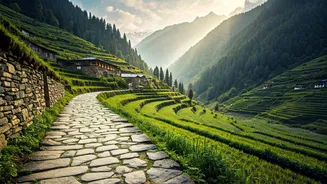
While the iconic Tiger’s Nest Monastery and the bustling markets of Thimphu are magnificent, the true heart of Bhutan’s eco-conscious spirit lies in its remote villages. The government’s sustainable policies have empowered the rise of community-based tourism, shifting focus away from conventional hotels and towards authentic, locally-run experiences. This means travellers can now venture into areas that were once largely inaccessible, staying in traditional farmhouses and homestays. These initiatives provide vital income directly to rural families, creating a powerful incentive for communities to protect their natural surroundings and cultural heritage. It’s a symbiotic relationship where visitors gain unparalleled insight into Bhutanese life, and villagers are empowered as the primary stewards of their land.
Exploring the Trans Bhutan Trail
A perfect example of this philosophy in action is the recently restored Trans Bhutan Trail. This ancient 403-kilometre path, once a pilgrimage and communication route, now serves as a gateway to the nation’s soul. Trekking even a small section of it allows you to walk through time, connecting dozens of villages and passing through pristine forests of rhododendron and pine. Along the trail, you’ll find communities ready to welcome you. You might stay in a village like Chendebji, known for its striking stupa, or pass through the high-altitude landscapes of the Phobjikha Valley, the winter home of the sacred black-necked cranes. The experience is intentionally slow, encouraging a deep connection with the land and its people, far from the reach of Wi-Fi signals and worldly distractions.
What Eco-Conscious Bliss Feels Like
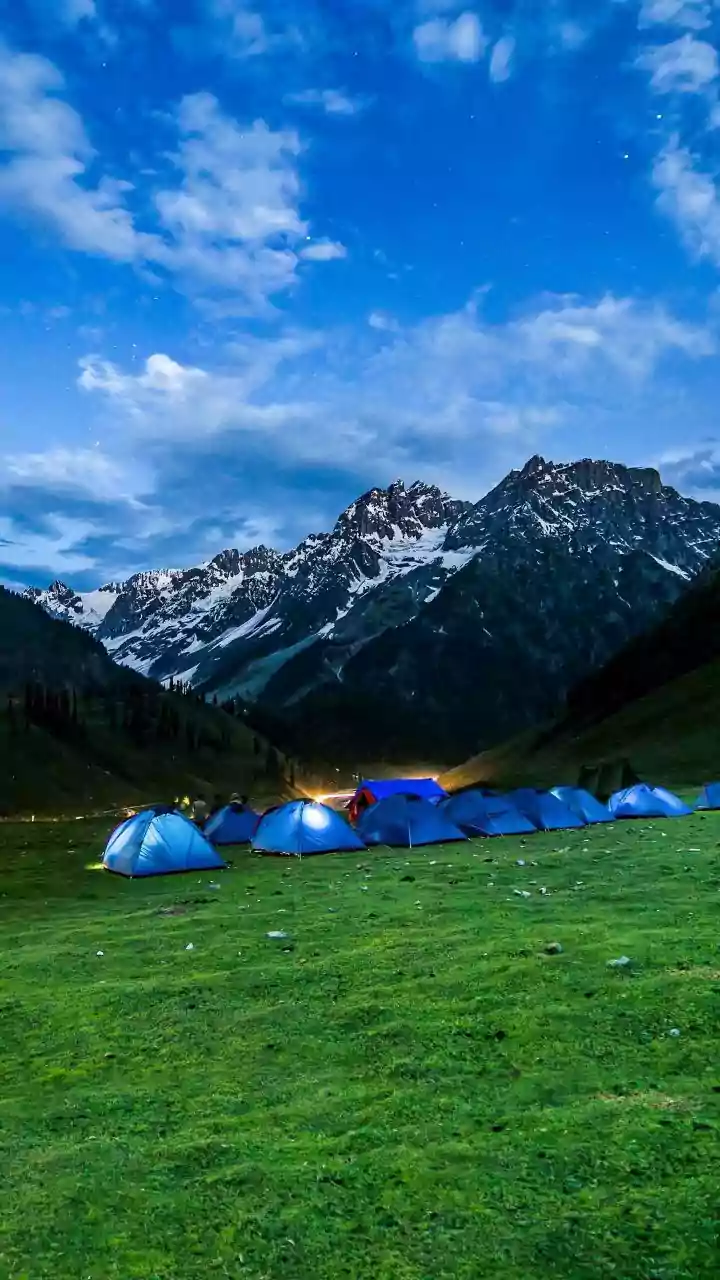
So, what is this ‘bliss’? It’s the quiet satisfaction of waking up to the sound of prayer flags fluttering in the wind, with a view of snow-capped Himalayan peaks outside your window. It’s sharing a meal of red rice and ema datshi (chillies and cheese) made from ingredients grown just steps away, prepared by your host family. It's the profound sense of peace that comes from hiking through a forest so clean you can drink directly from its streams. This form of travel strips away the unnecessary, focusing instead on genuine human connection and the raw beauty of the natural world. It’s not about luxury in the material sense, but the immense luxury of simplicity, authenticity, and knowing your visit has a purpose beyond your own enjoyment.
Planning Your Journey into the Mountains
Accessing these hidden gems is part of the intentional design. With the exception of visitors from India, Bangladesh, and the Maldives, all tourists must book their trip through a licensed Bhutanese tour operator. This isn't a restriction but a quality-control measure that ensures the principles of sustainable tourism are upheld. When planning, seek out operators that specialise in community-based tours, trekking, or homestays. They will handle all the logistics, including your visa, SDF payment, and itinerary. Be clear about your interest in experiencing village life. This will allow them to craft a journey that takes you deep into the heart of the Dragon Kingdom, ensuring an adventure that is as meaningful as it is memorable.