


The Science Behind the Glow
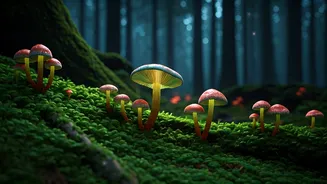
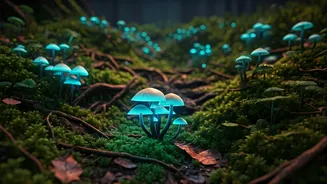
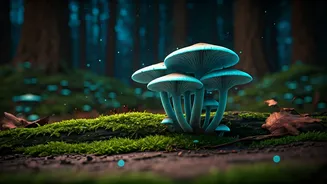
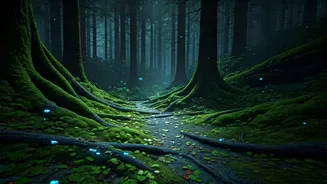
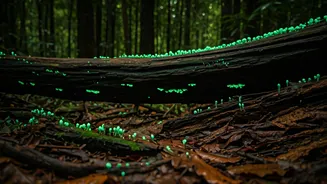
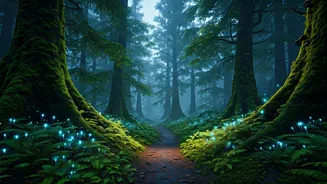
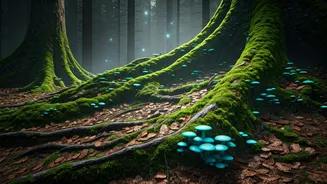
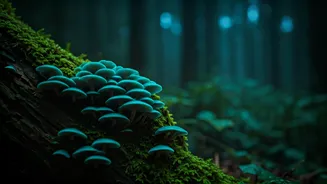
This magical phenomenon, often called 'foxfire', is the work of nature's own lanterns: bioluminescent fungi. In the forests of the Western Ghats, the primary species responsible is from the genus *Mycena*. These tiny mushrooms colonise decaying wood,
and during the monsoon, they thrive. The light they produce is a result of a chemical reaction, the same kind that makes fireflies glow. An enzyme called luciferase acts on a compound called luciferin, releasing energy in the form of a cool, steady light. Scientists believe the fungi glow to attract insects. These insects then land on the mushrooms and inadvertently help spread their spores throughout the forest, ensuring the next generation of these enchanting organisms. So, what you are witnessing is not just a beautiful display, but a clever and ancient survival strategy at play.
Where to Find This Magic
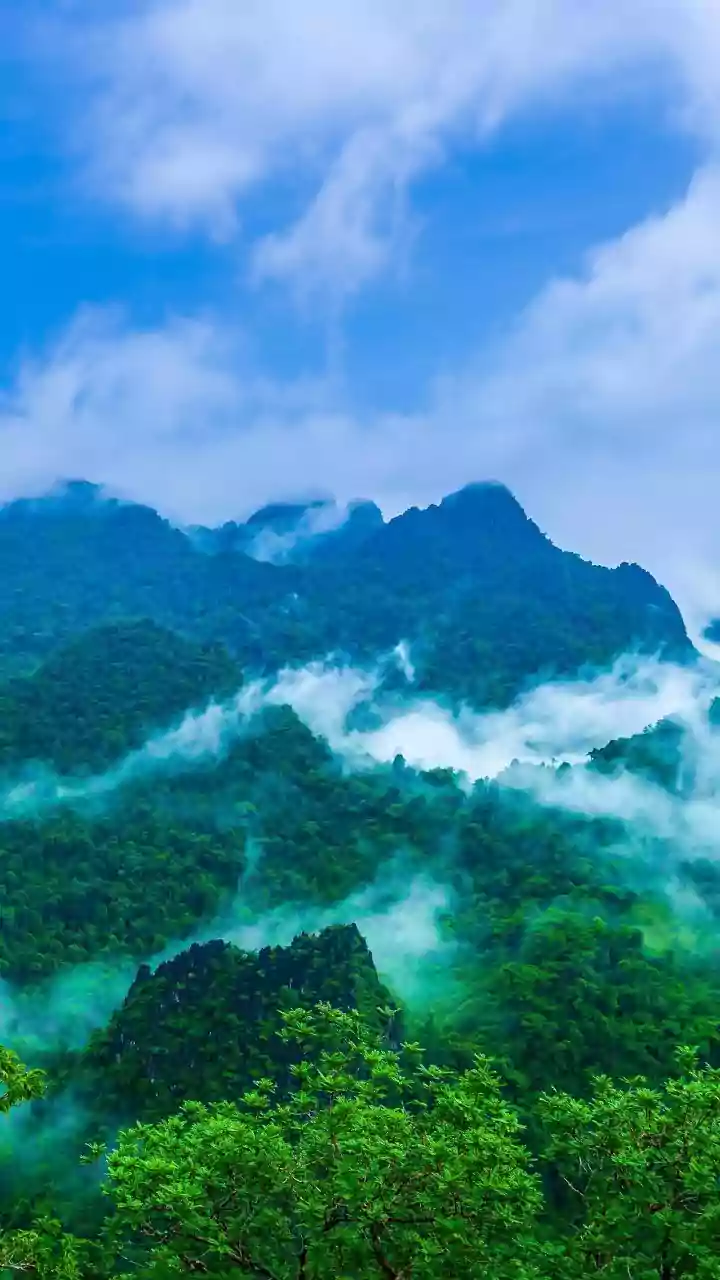
The Western Ghats, a UNESCO World Heritage site, transforms into a hub for this glowing spectacle during the rains. While the phenomenon can occur in various pockets, a few places have become renowned for their accessibility and consistent displays. In Maharashtra, the Bhimashankar Wildlife Sanctuary, a few hours' drive from Mumbai and Pune, is a prime location. The dense forest here provides the perfect damp, dark conditions for the *Mycena* to flourish. Further south, Goa offers its own glowing treasures. The Mhadei Wildlife Sanctuary and the Bhagwan Mahavir Sanctuary in Mollem are known hotspots. Treks organised by local experts in these regions often lead you to the exact spots where the forest floor seems to be dotted with tiny green stars. Parts of the Agumbe rainforest in Karnataka have also reported sightings, making the entire ghat region a potential treasure map for bioluminescence hunters.
Timing is Everything
Spotting this natural light show requires planning and a bit of luck. The season is non-negotiable: you must go during the peak monsoon months, typically from late June to September. The fungi need consistent moisture from the rains to grow and glow. Within this window, the best time to venture out is after a day of heavy rainfall, which supercharges the fungal activity. The time of night is also critical. Don't expect to see much at dusk. The real show begins late at night, usually after 9 or 10 PM, when ambient light has completely faded. For the most spectacular experience, plan your trip around the new moon. A moonless, overcast night provides the perfect dark canvas against which the faint, otherworldly glow of the mushrooms can truly shine. The darker it is, the more magical the experience will be.
A Guide to Glowing Etiquette
Witnessing this phenomenon is a privilege, and it's crucial to be a responsible visitor. First and foremost, hire a local guide. They are experts in navigating the forest trails safely in the dark and know the precise locations where the fungi are glowing. Their knowledge is invaluable. Dress appropriately in a raincoat and sturdy, waterproof shoes with excellent grip, as forest trails can be slippery and teeming with leeches during the monsoon. When you arrive at a glowing patch, be patient. Switch off all torches and allow your eyes at least 10-15 minutes to adjust to the darkness. The glow will slowly become more apparent. If you must use a light, use a torch covered with a red filter, as red light is less disruptive to nocturnal wildlife and the viewing experience. Most importantly, look but don't touch. Do not trample on the glowing logs or attempt to pick the fungi. You are in a delicate ecosystem, so maintain silence, absorb the magic, and leave no trace behind.