




A New Era of Urban Transit
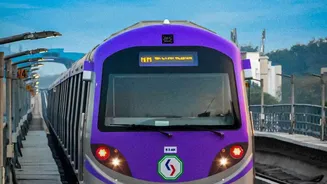
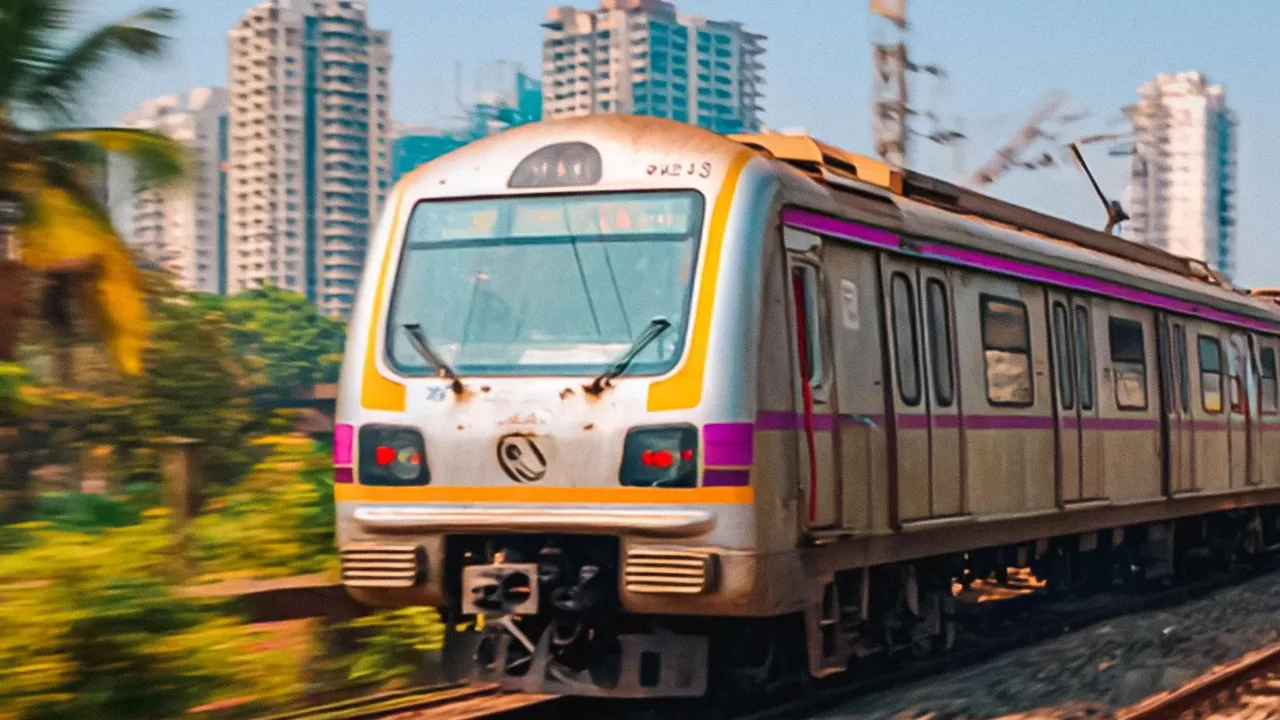
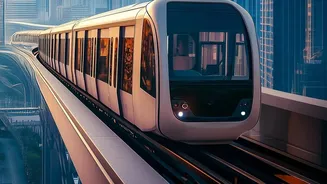
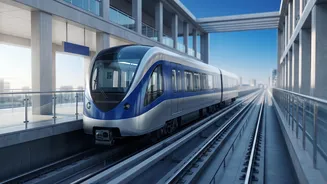
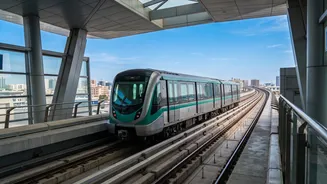
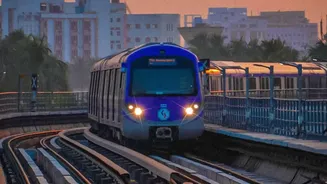
The Delhi Metro Rail Corporation (DMRC) first introduced its driverless train operations on the Magenta Line in December 2020, later extending them to the Pink Line. This created one of the world's largest automated metro networks. These trains operate
on a Grade of Automation (GoA) 4 system, the highest level, where trains are controlled entirely by computers, from starting and stopping to door operation and emergency handling. The initial public reaction was a mix of awe and apprehension. However, recent figures show a remarkable public embrace, with driverless lines consistently hitting high ridership numbers. This success is attributed to increased frequency and reliability; trains can run closer together, reducing wait times to as little as 90 seconds during peak hours. The system's efficiency has made these lines a backbone of Delhi's public transport.
The Myth of the Replaced Driver
A common fear accompanying automation is job loss. When the driver's cabin is empty, it's natural to assume that the train operators have been made redundant. However, the DMRC has been clear that this is not the case. Instead of large-scale layoffs, the organisation has focused on redeploying and retraining its highly skilled workforce. The 'driver' has not disappeared; their role has simply moved out of the front cabin and into different, often more complex, operational functions. This strategy acknowledges a critical truth: while technology can handle routine operations, human intelligence and oversight remain indispensable for managing a complex public service that serves millions of people daily. The focus has shifted from manual piloting to system-wide management and passenger-centric support.
New Roles for a New Technology
So, where did the staff go? They have been integrated into a range of essential roles that are crucial for the smooth functioning of an automated system. Many former train operators have been retrained as 'Roving Attendants' or 'Customer Facilitation Agents'. These staff members are present on the trains and at stations, providing passenger assistance, managing crowds, and acting as first responders in case of emergencies or technical snags. Their deep knowledge of train systems makes them ideal for troubleshooting minor issues on the spot. Others have been upskilled to work in the sophisticated Operations Control Centres (OCC). From these nerve centres, they monitor the entire network in real-time, overseeing train movement, managing timetables, and coordinating responses to any disruptions across the line. Their experience as operators provides invaluable context that a pure technician might lack.
Why Humans Are Still at the Helm
The retention of staff is not just a social measure; it is an operational necessity. An automated system, no matter how advanced, cannot handle every contingency. Human staff are vital for managing unexpected situations, such as a medical emergency on a train, a security incident, or complex equipment malfunctions that require on-the-ground assessment. The presence of uniformed personnel also provides a sense of security and reassurance to passengers, which is crucial for maintaining public trust in a fully automated system. Moreover, the maintenance and diagnostics of these technologically advanced trains require a highly skilled technical workforce. DMRC has invested in training staff for these specialised maintenance roles, ensuring the long-term health and safety of the driverless fleet. The system is less 'driverless' and more 'differently driven', with human expertise guiding it at every level.