

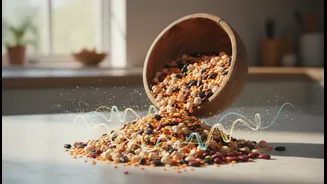

What Exactly Is Roasted Chickpea Flour?
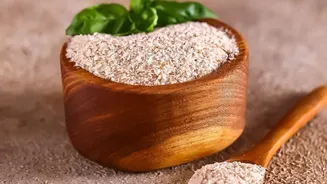
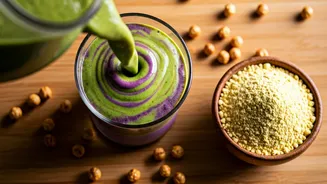
You might know it by another name: sattu. A staple in parts of India like Bihar and Punjab, it’s made by roasting chickpeas (kala chana) and grinding them into a fine powder. Unlike besan (gram flour), which is made from raw chickpeas, sattu is pre-cooked.
This roasting process is key—it gives the flour a unique, nutty flavour and makes its nutrients more bioavailable and easier to digest. For generations, it has been consumed as a cooling drink and a source of instant energy.
A Nutritional Powerhouse
Let's talk numbers. A 100-gram serving of sattu packs around 20-25 grams of high-quality plant-based protein, comparable to many commercial powders. It's also incredibly rich in dietary fibre, which aids digestion, promotes satiety (keeping you full), and helps regulate blood sugar. Furthermore, sattu is a good source of minerals like iron and magnesium, which are crucial for energy production and fighting fatigue. It’s a complete package, not just an isolated protein.
The 'Cheap' Boost Your Wallet Will Love
This is where sattu truly shines against the competition. A kilogram of branded whey protein can cost anywhere from ₹2,000 to ₹5,000 or more. In contrast, a kilogram of good quality sattu can be purchased for a fraction of that, often under ₹300. This makes it an incredibly accessible and sustainable option for students, families, or anyone looking to boost their protein intake without breaking the bank. You're getting whole-food nutrition at a commodity price—a rare win in today's wellness market.
How to Perfect Your Sattu Smoothie
Adding sattu to your smoothie is simple, but a few tricks will ensure a delicious, creamy result. Start with a small amount, about 1-2 tablespoons per serving. To avoid clumps, blend the sattu with a small amount of your liquid (water, milk, etc.) first to form a smooth paste before adding the rest of your ingredients. Its nutty, earthy flavour pairs beautifully with bananas, dates, mangoes, and a pinch of cardamom. A classic recipe: one banana, two tablespoons of sattu, a cup of milk, and a spoonful of honey.
Beyond the Protein: Other Key Benefits
While the protein is a major draw, sattu’s benefits don't stop there. It's known for its cooling properties, making it an excellent addition to your diet during hot summers. The high fibre content is excellent for gut health, helping to prevent constipation and keeping your digestive system running smoothly. Its low glycemic index provides a sustained release of energy without a sugar crash, making a sattu smoothie an ideal breakfast or post-workout recovery drink.
Are There Any Downsides?
For most people, sattu is perfectly safe. However, the earthy taste might take some getting used to if you're accustomed to sweet, flavoured protein shakes. Starting with a smaller amount can help. Because it's high in fibre, adding a large quantity suddenly might cause temporary bloating for those with sensitive digestive systems. It's best to introduce it gradually. Finally, ensure you are buying roasted chickpea flour (sattu), not raw gram flour (besan), as the latter must be cooked before consumption.