




Gond ke Laddu: The Rajasthani Energy Booster
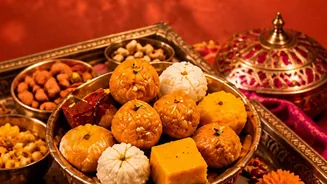
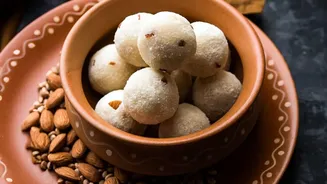
Step into any household in Rajasthan or Gujarat during winter, and you are likely to be greeted with a Gond ke Laddu. These dense, rustic spheres are much more than a sweet treat; they are a winter superfood. The star ingredient is 'gond' or edible gum,
which is fried in ghee until it puffs up like popcorn. This is then combined with whole wheat flour, copious amounts of ghee, jaggery, and a generous mix of chopped nuts like almonds and cashews. Prized for its warming properties, gond is believed to strengthen bones and boost immunity, making these laddus a go-to source of sustained energy during the colder months. Their texture is a delightful mix of crunchy, chewy, and crumbly all at once.
Badam Halwa: A Velvety Southern Indulgence
While the origins of halwa trace back to the Middle East, India has adopted and perfected it in countless ways. Badam Halwa, particularly beloved in the South, is the epitome of luxurious desserts. Made from blanched and ground almonds, pure ghee, sugar, and a hint of saffron and cardamom, this sweet is defined by its incredibly smooth, melt-in-the-mouth texture. The process is one of patient stirring, allowing the ground almonds to cook slowly in ghee until the mixture becomes glossy and leaves the sides of the pan. The result is a regal, deeply nutty, and fragrant confection often reserved for special occasions but perfectly suited for a cold winter's evening when a craving for something truly decadent strikes.
Atte ki Pinni: The Quintessential Punjabi Powerhouse
Travel north to Punjab, and you’ll find Pinni as a non-negotiable winter staple. These are not your average laddus; they are dense, nutrient-packed balls of energy made from whole wheat flour (atta) roasted patiently in ghee until fragrant and golden brown. The roasted flour is mixed with khoya, sugar or jaggery, and an abundance of nuts—primarily almonds. Pinni is considered a 'warming' food, providing the healthy fats and slow-releasing energy needed to combat the harsh northern winters. They keep well for weeks without refrigeration, making them a practical and beloved sweet to have on hand throughout the season.
Akhrot Halwa: The Earthy Gem from the Hills
In the colder climes of Kashmir and North India, the walnut takes centre stage in the form of Akhrot Halwa. This lesser-known but equally delicious halwa has a distinct character. Made from coarsely ground walnuts, it possesses a rich, slightly bitter depth that sets it apart from other nut-based sweets. The walnuts are sautéed in ghee and then slow-cooked with milk and sugar until a thick, glossy consistency is achieved. Associated with warmth and nourishment, this halwa is a traditional winter dessert in many households, prized for the healthy fats and antioxidants that walnuts provide during the cold season.
Til ke Laddu: The Harvest Festival Favourite
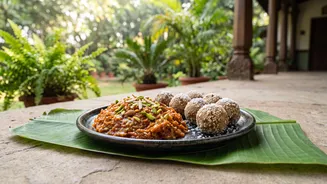
No Indian winter is complete without the appearance of Til ke Laddu, especially around the festival of Makar Sankranti. Made from roasted sesame seeds (til) and jaggery (gur), these small, energy-packed laddus are a celebration of the harvest. The nutty flavour of the sesame seeds pairs beautifully with the earthy sweetness of jaggery. These ingredients are known for their warming properties, making the laddus a healthy and wholesome snack. In Maharashtra, people exchange these sweets while saying, 'til-gul ghyaa, aani goad-goad bolaa', which means 'accept this sweet and speak sweet words', symbolising goodwill and harmony for the new season.