




The Humble Superfood Hiding in Plain Sight
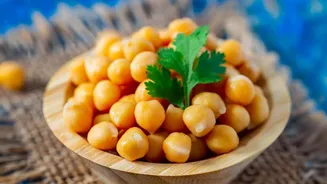
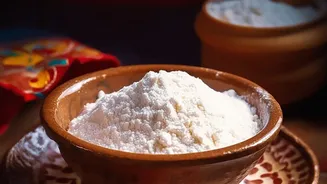
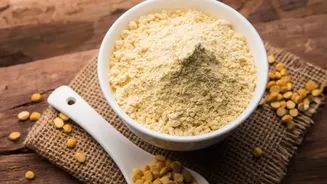
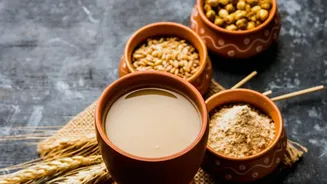
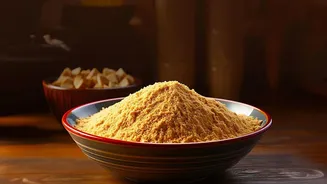
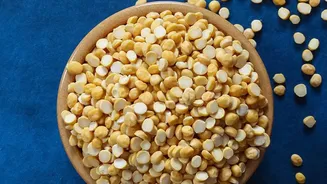
For generations, sattu has been a staple in the diets of Bihar, Jharkhand, and Uttar Pradesh, often dubbed the “poor man’s protein.” Made from roasted Bengal gram (chana) ground into a fine powder, this ingredient is a cornerstone of traditional Indian
cuisine. Historically, its long shelf life and ease of preparation made it the perfect, portable fuel for travellers and labourers. Today, as the fitness world looks for clean, sustainable nutrition, this humble flour is being recognised for what it truly is: a natural, nutrient-dense superfood packed with potential.
A Nutritional Powerhouse by the Numbers
Sattu’s nutritional profile explains its resurgence as a fitness fuel. Per 100 grams, it boasts an impressive 20-25 grams of plant-based protein, crucial for muscle repair and growth. But unlike many processed supplements, sattu is a whole food. This means it also delivers around 10-18 grams of dietary fibre, which aids digestion, promotes satiety, and helps prevent overeating. Furthermore, it is a low-glycemic index food, providing a sustained release of energy without the sugar spikes associated with many pre-workout drinks. It's also packed with essential minerals like iron, magnesium, and calcium that support overall health, from energy production to bone density.
Sattu vs. Whey Protein: The Real-World Comparison
The main question for any fitness enthusiast is how sattu stacks up against the industry standard, whey protein. While a scoop of whey delivers more concentrated protein (around 24-30g per serving compared to sattu's 5-7g), that's not the whole story. The biggest differentiator is cost. Sattu is significantly more affordable, with some estimates suggesting whey protein can be 8 to 12 times more expensive per gram of protein. Beyond price, sattu offers a more holistic nutritional package with its high fibre and micronutrient content, things that are stripped away in protein isolates. While whey is designed for rapid absorption post-workout, sattu's slower digestion makes it an excellent choice for sustained energy and fullness, making it gut-friendly and suitable for a wider range of daily uses.
More Than Just a Drink: How to Use Sattu
The versatility of sattu is one of its greatest strengths. The most common method is the classic sattu sharbat—a refreshing drink made by mixing the flour with water, black salt, and a squeeze of lemon. It's a perfect natural pre-workout or cooling summer beverage. For a post-workout recovery shake, blend sattu with milk (or plant-based milk), a banana, and a natural sweetener like jaggery. But you can also think beyond drinks. Use sattu to make high-protein parathas or chillas, mix it into dough for rotis, or roll it into energy-boosting laddoos with ghee and dry fruits for a healthy snack.
Beyond Sattu: Other Desi Protein Stars
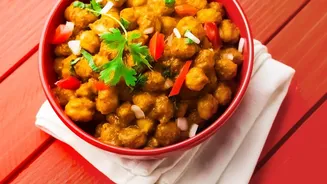
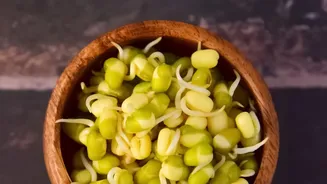
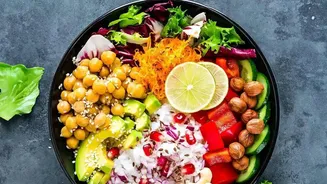
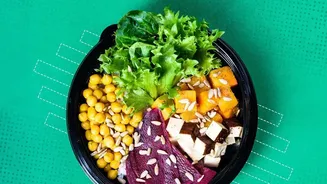
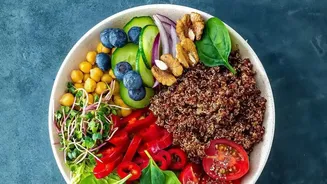
Sattu is a brilliant example, but it’s not alone. The Indian kitchen is full of cost-effective, high-protein staples. Lentils (dals) like moong and masoor, legumes like chickpeas (chana) and kidney beans (rajma), and dairy products like paneer and yoghurt are all excellent sources of protein that can be incorporated into daily meals. Peanuts, soya chunks, and even millets like bajra offer affordable ways to meet your protein needs without relying on expensive, processed supplements. By combining these diverse sources, you can ensure a complete amino acid profile and a nutrient-rich diet that supports your fitness goals.