




The Arabian Sea's Contribution
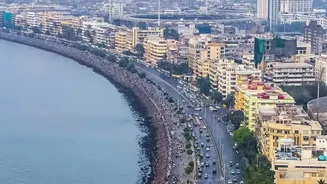
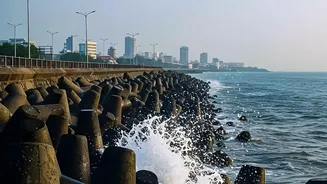
The primary source of Mumbai's humidity is its location right next to the Arabian Sea. During an autumn heatwave, the sun beats down on the water, causing significant evaporation. This process loads the air with moisture. As the post-monsoon season begins,
clear skies allow for more direct sunshine, further warming the sea and air. This moisture-laden air is then carried over the city by sea breezes, creating a baseline of high humidity that is a characteristic of coastal climates. When temperatures soar, this already humid air feels even more oppressive because the heat increases the air's capacity to hold water.
The Urban Heat Island Effect
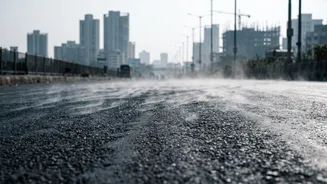
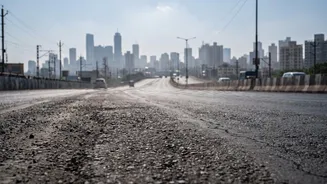
Mumbai itself acts like a giant storage heater, a phenomenon known as the Urban Heat Island (UHI) effect. Concrete buildings, asphalt roads, and other man-made surfaces absorb and retain far more heat than natural landscapes like forests or fields. Throughout the day, these surfaces soak up solar radiation, and then they slowly release that heat back into the atmosphere, especially after sunset. This means the city doesn't cool down properly at night, a problem that studies show is worsening in Mumbai. This trapped heat keeps the ambient temperature elevated, contributing to the feeling of a relentless, 24/7 heatwave and making the high humidity even more unbearable.
Trapped Air and Weakening Winds
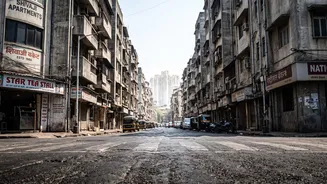
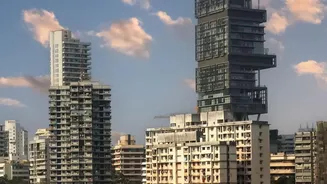
The city's physical structure plays a crucial role in creating suffocating microclimates. The 'urban canyon effect', created by tall buildings standing close together, prevents air from circulating freely. These structures can block and weaken winds, trapping the hot, moist air at street level. During recent October heatwaves, this has been compounded by specific weather patterns, such as a delayed or weaker sea breeze and anti-cyclonic circulations that limit coastal cooling. When the natural mechanism for flushing out the city's air is disrupted, pockets of extreme heat and humidity can form, making one neighbourhood feel significantly more stifling than another just a few kilometres away.
The Impact of Concretization
Rapid and extensive urbanization has replaced natural, permeable surfaces with concrete. Green spaces like parks and mangroves play a vital role in cooling their surroundings through shade and a process called evapotranspiration, where plants release water vapour, which absorbs heat. As these green lungs of the city shrink, Mumbai loses its natural air conditioners. Less vegetation and soil mean less moisture is absorbed from the environment and less natural cooling occurs. This rampant concretization not only intensifies the urban heat island effect but also ensures that the air remains saturated with the humidity flowing in from the sea, with nowhere for the moisture to go.
A Perfect Storm for Discomfort
The extreme humidity Mumbai experiences during an autumn heatwave is not caused by a single factor, but by a combination of them. The warm Arabian Sea provides the moisture. The city’s concrete landscape absorbs and radiates heat, preventing any real cool-down. The dense high-rises then trap this hot, humid air, while changing weather patterns can weaken the very breezes that would normally bring relief. The result is the creation of distinct microclimates, where residents in densely built areas feel the oppressive, 'real-feel' temperature much more intensely than those in greener, more open parts of the city. This combination makes the post-monsoon period feel less like a transition to winter and more like a second, stickier summer.