



The Sabudana Glow-Up
Sabudana, the humble sago pearl, has long been the undisputed king of the fasting kitchen. But its reign is no longer limited to the classic khichdi and vada. Chefs and home cooks are reimagining this versatile ingredient in exciting global avatars. Imagine
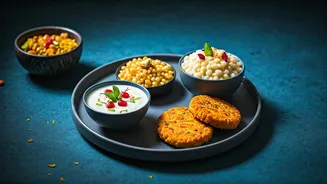
biting into a crispy sabudana taco shell filled with spiced paneer and a tangy tomato chutney. Or savouring a creamy sabudana risotto, where the pearls are slow-cooked in coconut milk with herbs and rock salt, mimicking the Italian classic. We're even seeing sabudana waffles topped with fresh fruit and honey, and delicate sabudana and sweet potato croquettes served with mint-yogurt dip. It’s the same beloved ingredient, but presented with a flair that makes it feel brand new.
Flour Power: Beyond the Puri
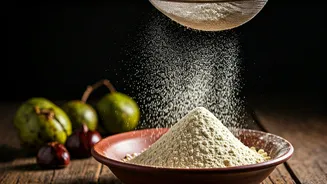
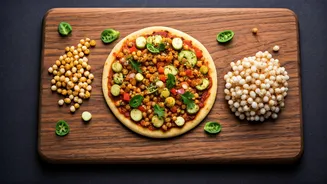
Fasting flours like kuttu (buckwheat), singhara (water chestnut), and amaranth have traditionally been confined to puris and cheelas. Not anymore. The new wave of fasting cuisine is using these gluten-free, nutrient-rich flours to create dishes that could easily feature on a regular café menu. Think thin, crispy kuttu-flour pizza bases topped with mozzarella (for those who include it), roasted vegetables, and a sprinkle of sendha namak. Or fluffy amaranth pancakes drizzled with maple syrup and served with a side of berries. We're also seeing singhara flour being used to bake savoury tarts and even gnocchi. This creative use of flours not only adds variety but also caters to a growing demand for healthier, more interesting grain-free options.
The Humble Root Vegetable Gets a Makeover
Aloo, arbi, and shakarkandi (sweet potato) have always been fasting staples, but they were often relegated to simple subzis. Today, they are the stars of the show. Sweet potato is being spiralised into 'noodles' for a light pasta alternative, cut into wedges and baked into 'fries' seasoned with chaat masala, or mashed into flavourful tikkis. Arbi (colocasia) is being roasted to a crisp and tossed in herbs to create 'arbi tuk,' or used to make sophisticated patties for vrat-friendly burgers (served in lettuce wraps or kuttu buns). Even the simple potato is being transformed into dishes like loaded baked potatoes stuffed with paneer and herbs, or crispy potato skins that are perfect for dipping.
Introducing the Fasting Bowl
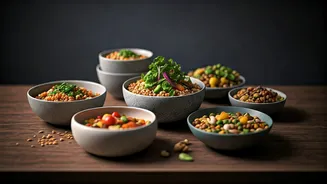
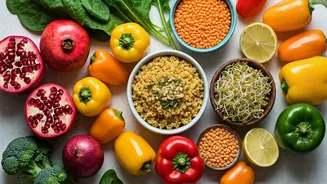
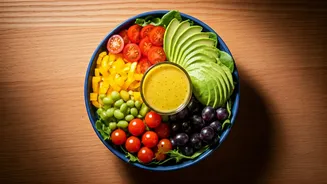
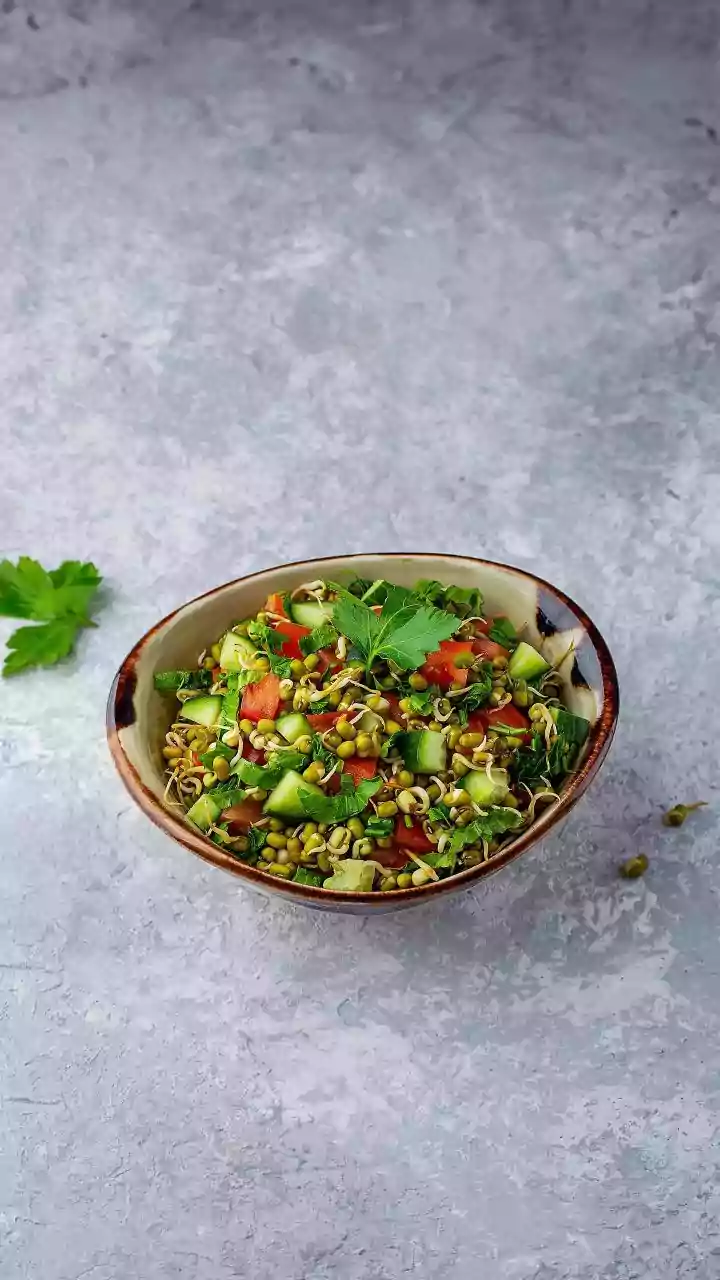
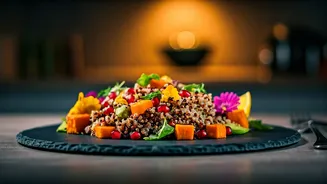
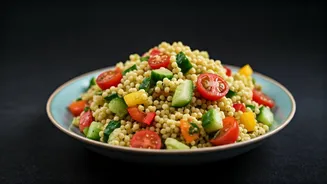
Inspired by the global trend of 'Buddha bowls', the Indian fasting bowl is a complete meal that is both healthy and immensely satisfying. It’s a beautifully arranged, one-bowl meal that balances textures, flavours, and nutrition. A typical fasting bowl might feature a base of samak ke chawal (barnyard millet) or quinoa (for those who consider it vrat-friendly), topped with an assortment of colourful components. This could include roasted cubes of paneer, stir-fried vegetables like pumpkin and bottle gourd, a handful of peanuts or makhana for crunch, and a dollop of fresh yogurt or a tangy tamarind dressing. It’s customisable, visually appealing, and a perfect representation of how modern wellness concepts are merging with traditional dietary practices.
Desserts That Break the Mould
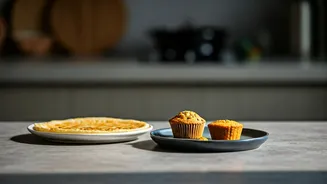
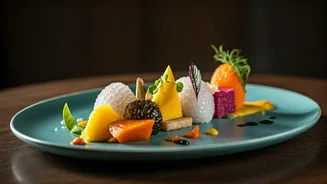
Fasting desserts often meant fruit chaat or a simple kheer. While those classics remain comforting, the new menu is far more indulgent. The innovation here is all about using approved ingredients to create contemporary sweet treats. Amaranth flour and jaggery are being used to bake fudgy, decadent brownies. Creamy panna cotta is being made with coconut milk and set with agar-agar, then topped with a berry compote. You can find rich cheesecakes with a base made from crushed nuts and dates, and a filling of strained yogurt or paneer. Even makhana (fox nuts) are being caramelised and used as a crunchy, praline-like topping for mousses and ice creams. These desserts prove that fasting doesn’t mean you have to skip out on a truly special final course.