







What Exactly Is Micro-Investing?
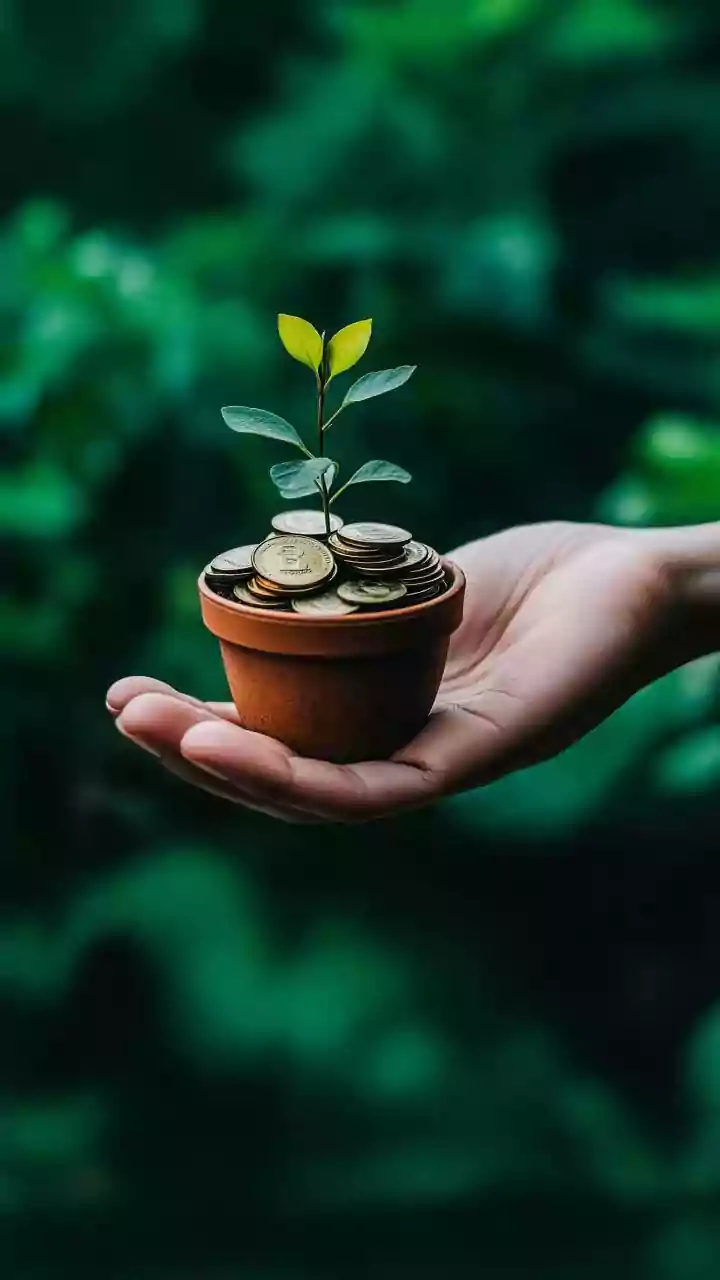
Think of it as the digital version of a 'gullak' or piggy bank, but much smarter. Micro-investing is the practice of investing very small amounts of money regularly. Instead of needing thousands of rupees to buy a stock or a mutual fund unit, these platforms
let you get started with as little as ₹10 or ₹100. The core idea is to remove the two biggest barriers for young investors: the need for a large initial sum and the psychological hurdle of parting with a big chunk of cash. By making the process bite-sized, it helps build a habit of saving and investing without feeling the pinch.
How 'Effortless' Does It Get?
The magic of these platforms lies in automation. The headline’s claim of being “effortless” comes from features designed to make you save money without actively thinking about it. One popular method is 'Round-Up' investing. When you make a digital payment—say, for a ₹42 coffee—the app can round up the transaction to the nearest ₹10 (in this case, ₹50) and automatically invest the difference (₹8). Other platforms allow you to set up tiny daily, weekly, or monthly Systematic Investment Plans (SIPs). A ₹20 daily SIP feels insignificant, but it adds up to ₹600 a month and ₹7,200 a year, which is then put to work in the market. This 'set it and forget it' approach helps build a corpus over time from money you might not even miss.
The Big Benefits for Students
The advantages for someone in college are significant. First, it democratises investing. You don't need a fat wallet to participate in financial markets. Second, it's a fantastic educational tool. By starting with small, manageable amounts, you can learn about market fluctuations, risk, and asset classes like gold, ETFs, or mutual funds without putting your entire (and probably limited) savings on the line. Most importantly, it harnesses the power of compounding. The earlier you start investing, even with small sums, the more time your money has to grow. A few thousand rupees invested during college could be worth significantly more by the time you graduate, thanks to the compounding effect.
Popular Platforms in India
The Indian fintech market is buzzing with options. Apps like Jar and Gullak focus on making it easy to save in digital gold, a traditionally popular asset in India. They use the round-up and daily savings models to help users accumulate gold grams over time. For those looking to invest in the stock market, platforms like Groww, Upstox, and Zerodha allow you to set up SIPs in mutual funds or Exchange Traded Funds (ETFs) for as little as ₹100. The choice of platform depends on your goal: do you want to save in a relatively stable asset like gold, or are you willing to take on more risk for potentially higher returns with equities?
A Crucial Reality Check
While the process is low-effort, the results are not guaranteed. 'Effortless' should never be confused with 'risk-free.' If you're investing in market-linked assets like stocks or mutual funds, the value of your investment can go down as well as up. Markets are volatile. The key is to see this as a long-term habit, not a get-rich-quick scheme. Don’t panic and sell if your small investment dips. Also, be mindful of any platform fees or transaction charges, which can eat into your returns, especially on very small amounts. Read the terms and conditions before you commit.
How to Get Started
Getting on board is surprisingly simple and usually takes just a few minutes. 1. **Choose a Platform:** Pick an app that aligns with your goals (e.g., gold, mutual funds). 2. **Complete KYC:** You’ll need your PAN card and Aadhaar card for the Know Your Customer (KYC) process, which is a mandatory regulatory requirement. Most of it is done digitally within the app. 3. **Link Your Bank Account:** Connect your bank account via UPI or net banking to facilitate automated payments. 4. **Set Your Rules:** Decide how you want to invest. Will you use the round-up feature, set a daily savings goal, or start a monthly SIP? Start with an amount you are completely comfortable with, even if it’s just ₹10 a day.