


A Major Shift in Strategy
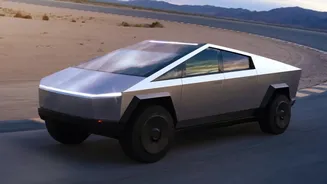
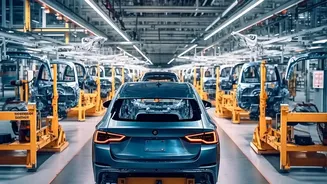
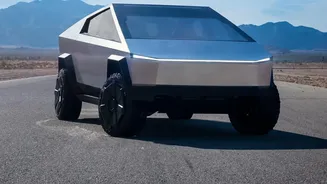
In a significant strategic realignment, Tesla is set to prioritize manufacturing capacity for its Cybercab robotaxi at its Giga Texas facility. The move was confirmed by CEO Elon Musk, who announced that production of the much-hyped Cybertruck will be wound
down at the Austin plant around mid-2027 to make way for the company's autonomous vehicle. This decision represents more than just a change on the assembly line; it's a clear signal of Tesla's long-term bet on an autonomous ride-hailing network as a core pillar of its future business. Musk explained the rationale, stating that the limited resources, including factory space and talented engineers, required for the Cybertruck are better allocated to scaling the Cybercab, a vehicle he believes will 'profoundly transform the world of terrestrial transport'. The pivot comes as Cybertruck sales have reportedly seen a steep decline, making the futuristic pickup a lower priority compared to the potential of a massive robotaxi fleet.
What Exactly is the Cybercab?
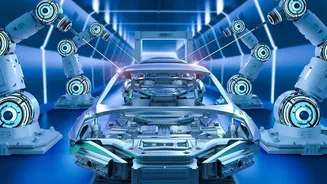
The Cybercab is a purpose-built, two-passenger electric vehicle designed exclusively for autonomous driving. It features a futuristic design without a steering wheel, pedals, or side mirrors, reflecting its sole function as a robotaxi. Unveiled in 2024, the vehicle is engineered for extreme efficiency and a long operational life, with Tesla targeting a lifespan of at least 500,000 miles. The interior is minimalist, featuring a large central touchscreen for passengers. It’s a key component of Tesla’s planned robotaxi network, which already utilizes some modified Model Y vehicles in cities like Austin, Dallas, and Houston. However, the Cybercab is designed from the ground up to lower operating costs, making the economics of a ride-hailing service more favorable. It utilizes Tesla's new 'unboxed' manufacturing process, which significantly streamlines assembly and reduces factory footprint.
The Robotaxi Vision Over Personal Cars
This prioritization of the Cybercab reinforces Musk's long-stated belief that Tesla's ultimate value lies in artificial intelligence and robotics, not just car manufacturing. The goal is to create a vast, company-owned fleet of autonomous vehicles that can operate around the clock, generating recurring revenue and undercutting the cost of human-driven ride-hailing services like Uber and Lyft. Musk's directive to 'go all in on robotaxi' has been reported for some time, leading to speculation that Tesla's plans for a more affordable, mass-market car (often dubbed the 'Model 2') were being sidelined. While Tesla has previously denied canceling the affordable car project, this latest move to sacrifice Cybertruck capacity for the Cybercab demonstrates a clear focus. The Giga Texas factory already has an installed annual production capacity for over 125,000 Cybercabs, a figure established even before the decision to wind down Cybertruck production.
Challenges and What Comes Next
Despite Tesla's manufacturing push, a fullscale robotaxi network faces significant hurdles. The primary challenge is regulatory approval. The Cybercab's driverless design is currently under review by the National Highway Traffic Safety Administration (NHTSA), which is auditing Tesla's basis for selfcertifying the vehicle to federal safety standards. While Tesla's robotaxi service is already operating in several Texas cities, scaling up to a national or global level will require navigating a complex web of local and federal rules. The company is also continuously refining the vehicle. Musk recently mentioned plans for a more efficient version with a smaller battery pack, which would further improve profitability. For now, the future of the Cybertruck remains uncertain; Tesla has not announced if its production will move to another factory or cease entirely after the Giga Texas winddown. Investors and consumers will be closely watching as Tesla attempts to transition from an electric vehicle pioneer to an autonomous transportation giant.