






What Exactly is an Urban Heat Island?
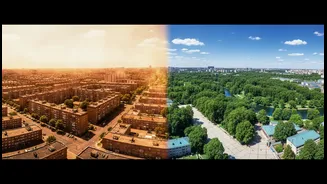
An urban heat island (UHI) occurs when a city experiences much warmer temperatures than its surrounding rural areas. This difference is not just slight; cities can be anywhere from 1 to 7°F warmer on average during the day. The real surprise is that this
temperature gap can persist and even grow after sunset, as urban areas release the day's accumulated heat much more slowly than the countryside. This creates pockets, or 'islands', of intense heat right where most people live and work, a particularly pressing issue for India, where the urban population is projected to surge by 2050.
The Recipe for a Concrete Jungle's Heat
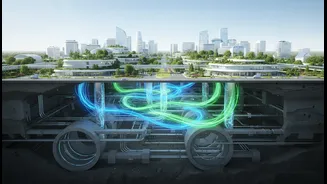
So, what causes this urban fever? The primary culprits are the very materials that build our cities. Concrete, asphalt, and dark-coloured roofing absorb and retain far more of the sun's heat than natural landscapes. As we replace cooling natural surfaces like trees, soil, and water bodies with buildings and roads, we lose their natural air conditioning effects. Trees provide shade and cool the air through a process called evapotranspiration, much like how sweat cools our bodies. Add to this the 'waste heat' generated by human activities — from vehicle engines to the exhaust of countless air conditioning units — and the dense geometry of tall buildings that trap heat and block cooling winds, and you have the perfect recipe for a heat island.
Who Feels the Heat the Most?
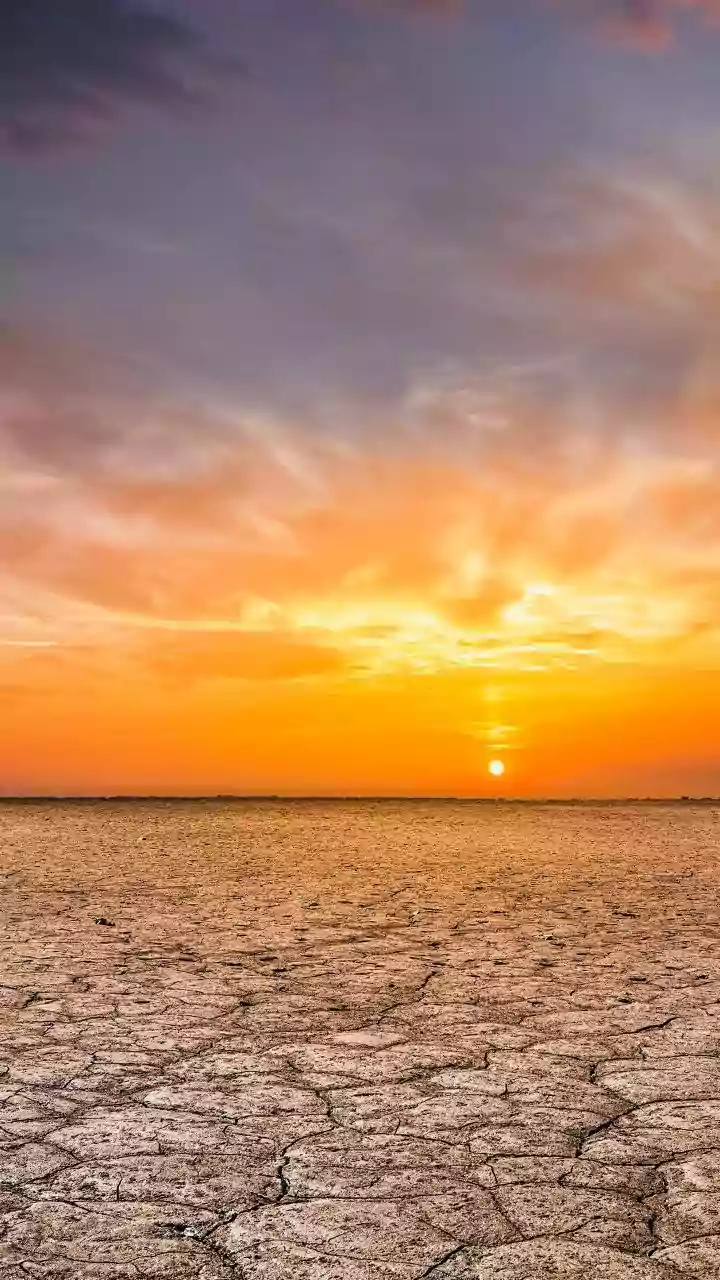
The burden of this extra heat is not shared equally. Studies consistently show that low-income communities and densely populated neighbourhoods are often the most affected. These areas typically have less green cover, fewer parks, and a higher concentration of heat-absorbing surfaces. In Indian cities like Delhi, hotspots have been identified in densely built-up regions. For residents in these areas, the UHI effect is more than just an inconvenience. It turns already intense summer heatwaves into a severe public health crisis, increasing the risk of heatstroke, dehydration, and other heat-related illnesses, especially for vulnerable populations like the elderly and children.
The Knock-On Effects: More Than Just Discomfort
Beyond the immediate health risks, urban heat islands have a cascade of negative consequences. They drive up energy consumption significantly, as more people and businesses rely on air conditioning to stay cool. This increased demand not only leads to higher electricity bills but also puts a strain on the power grid, sometimes resulting in brownouts during peak heat. Furthermore, the power plants working overtime to meet this demand often burn more fossil fuels, which worsens air pollution and releases more greenhouse gases, ironically contributing to the broader problem of climate change. The elevated temperatures can also accelerate the formation of ground-level ozone, or smog, further degrading urban air quality.
Cooling Our Cities: A Breath of Fresh Air
The good news is that since urban heat islands are a man-made problem, they have man-made solutions. One of the most effective strategies is reintroducing nature into the urban fabric. Expanding parks, planting more street trees, and installing 'green roofs' and 'green walls' can dramatically lower temperatures by providing shade and through the natural cooling process of evapotranspiration. Another powerful tool is the use of 'cool' materials. This includes cool pavements and reflective roofing materials, often light-coloured, that reflect more sunlight and absorb less heat. Some cool roofs can reduce surface temperatures significantly compared to traditional dark roofs. These initiatives not only combat heat but also improve air quality, reduce energy bills, and make cities more pleasant and resilient places to live.