

Ilulissat: The City of Icebergs
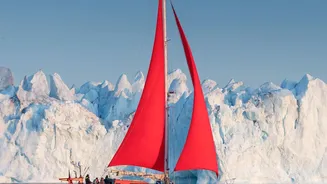
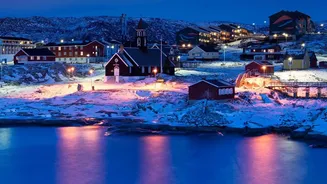
Ilulissat, which translates to 'icebergs', lives up to its name. Situated on the edge of the UNESCO World Heritage-listed Ilulissat Icefjord, this is Greenland's third-largest town and its tourism hub. The primary draw is the staggering view of colossal
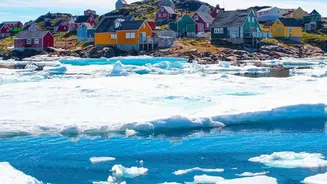
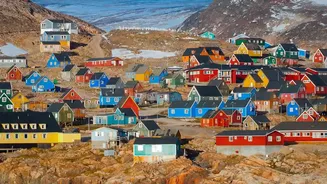
icebergs that have calved from the Sermeq Kujalleq glacier, one of the most active glaciers in the world. These giants of ice float majestically through Disko Bay, creating a constantly shifting, otherworldly landscape. Visitors can experience this natural wonder through various hiking trails, like the accessible boardwalk through the Sermermiut Valley or the more challenging Blue Trail. Boat tours offer a different perspective, navigating between the towering ice formations, especially during the midnight sun when the ice glows in hues of orange and pink. The town itself is a vibrant collection of colorful houses, museums, and restaurants serving local delicacies.
Qaqortoq: The Colorful Southern Capital
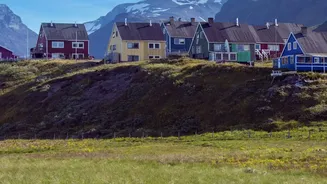
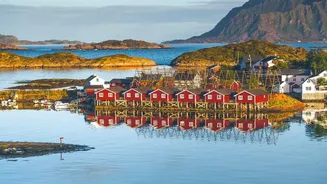
As the largest town in South Greenland, Qaqortoq is a vibrant hub of culture and history, ironically set against one of the greenest landscapes on the island. Its name means 'white', yet the town is famous for its brightly painted houses climbing the hillsides around a picturesque harbor. A unique feature is the 'Stone and Man' project, an open-air art exhibition with over 30 motifs carved into the town's granite bedrock by various artists. The town square, complete with Greenland's oldest fountain, is a central gathering place. Qaqortoq serves as an excellent base for exploring the region's rich Norse history, including the nearby Hvalsey Church Ruin, the best-preserved Viking ruin in Greenland and part of a UNESCO World Heritage site. The surrounding fjords are ideal for hiking, kayaking, and visiting nearby hot springs.
Uummannaq: The Heart of North Greenland
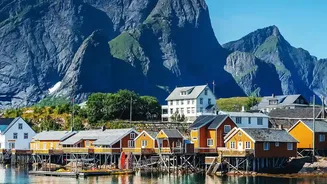
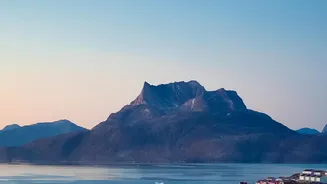
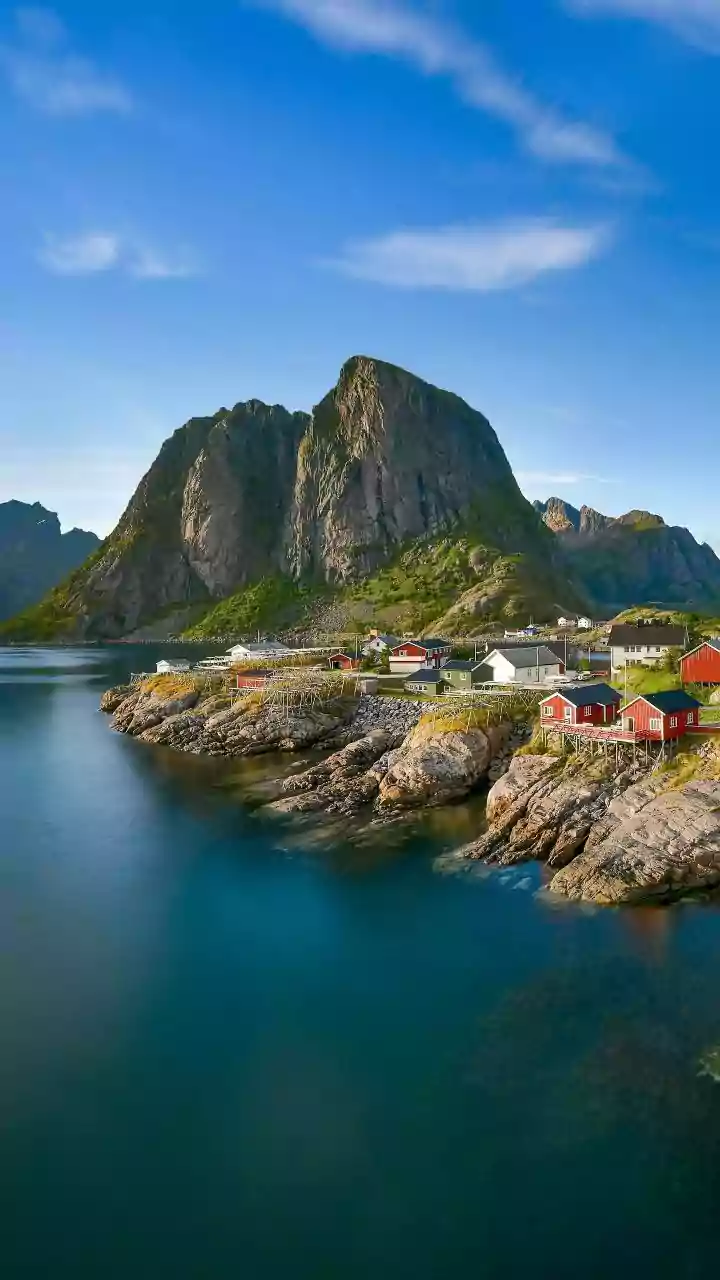
Located nearly 600 km north of the Arctic Circle, the island town of Uummannaq is defined by the stunning heart-shaped mountain that towers over it. Legend says that a piece of your heart will forever remain in Uummannaq after you visit. Life here is deeply connected to traditional Inuit culture, with hunting and fishing still forming the backbone of the community. During winter, dog sledding on the sea ice is a primary mode of transport and a key cultural experience. In summer, boat tours navigate the vast fjord system, past enormous icebergs, steep bird cliffs, and to the historic site of Qilakitsoq, where ancient mummies were discovered. The town itself is a compact and colorful settlement with a museum and even a turf hut known as Santa's Castle. Reaching Uummannaq is an adventure, often involving a flight and a helicopter or boat transfer, making it a truly remote and rewarding destination.
Tasiilaq: The Gateway to East Greenland
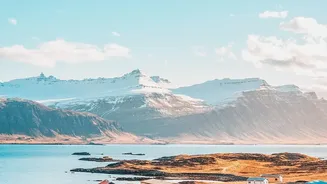
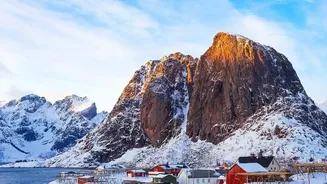
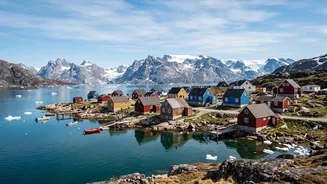
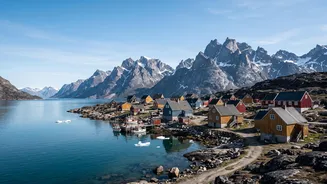
Tasiilaq is the largest town in the vast and sparsely populated region of East Greenland. Set in a stunning natural harbor on Ammassalik Island, it's surrounded by pointed, dramatic mountains and a fjord often filled with drift ice. The town's brightly colored wooden houses create a vibrant contrast against the stark Arctic landscape. Tasiilaq is a hub for adventure, offering everything from glacier hiking and kayaking to dog sledding in winter. The nearby Flower Valley is a popular spot for hiking, offering lush scenery and waterfalls in the summer months. For an even grander spectacle of ice, boat trips to the nearby Sermilik Fjord reveal a scene comparable to the Ilulissat Icefjord, packed with enormous icebergs. The culture here is distinctly East Greenlandic, known for skilled artisans who create intricate carvings.
Kulusuk: A Window into Tradition
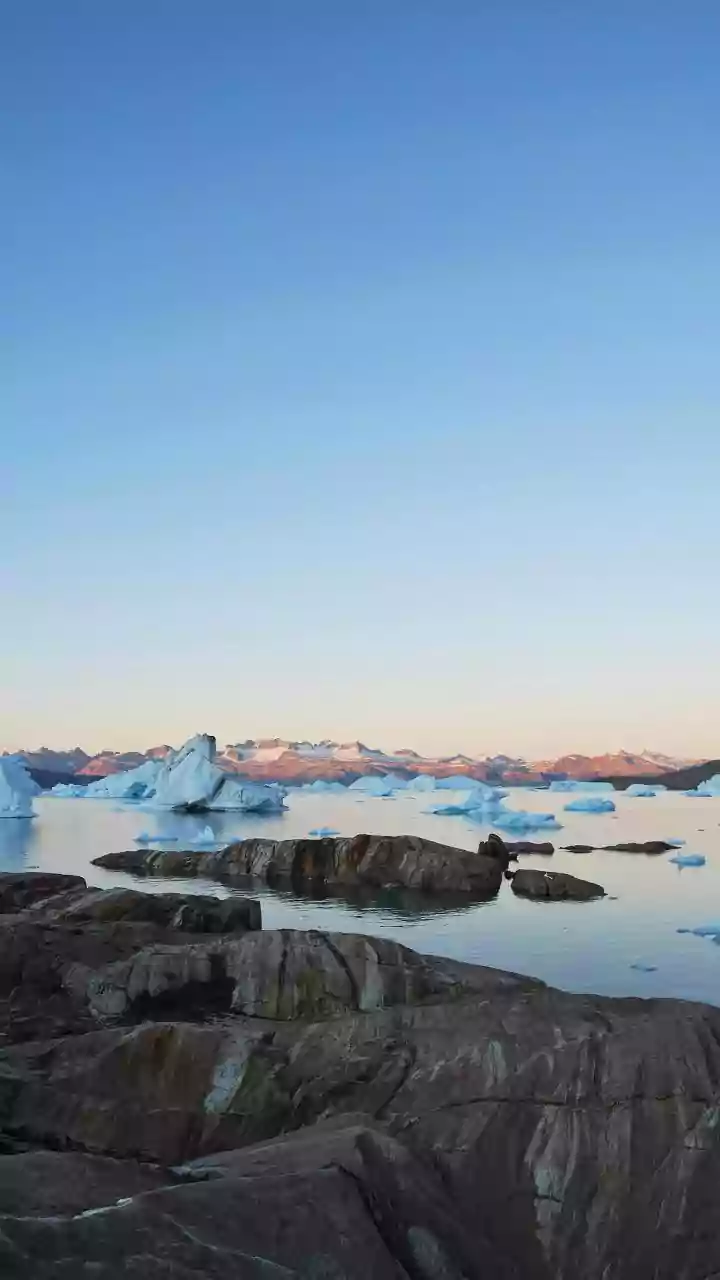
Often the first point of entry for visitors to East Greenland, Kulusuk is a small island settlement that offers a powerful introduction to traditional life. With a population of around 200, the community retains strong ties to its hunting and fishing heritage. The village is known for its skilled artisans, and visitors can often witness demonstrations of traditional drum dancing and kayaking. Despite its small size, Kulusuk's location provides breathtaking views of icebergs in the Denmark Strait and access to stunning Arctic wilderness. Hiking is a popular activity, with trails offering views across fjords and to nearby glaciers. The airport, built by the Americans in the 1950s, makes Kulusuk one of the most accessible gateways to the remote beauty of East Greenland, connecting it via a short flight to Iceland.