






The Great Soaking Debate
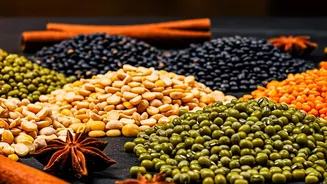
Soaking pulses before cooking is a practice passed down through generations, and for good reason. The most immediate benefit is a significant reduction in cooking time, by as much as 50% for some beans, which saves both fuel and effort. But the science
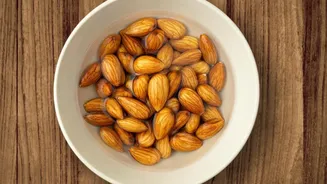
goes deeper. Soaking rehydrates the dried seeds, ensuring they cook more evenly and develop a better texture—think creamy dal instead of a mix of mushy and hard grains. More importantly, soaking makes pulses easier to digest. Legumes contain complex sugars called oligosaccharides, which our bodies can't break down easily, leading to gas and bloating. Soaking for several hours and then discarding the water helps remove a significant portion of these compounds. It's a simple step that makes your meal much more comfortable to enjoy.
Unlocking Nutrients and Reducing Anti-Nutrients
Pulses contain compounds known as 'anti-nutrients', such as phytic acid and lectins, which can interfere with the absorption of essential minerals like iron, zinc, and calcium. Phytic acid binds to these minerals, making them less available to your body. Soaking helps to activate an enzyme called phytase, which starts breaking down phytic acid. This process enhances the bioavailability of nutrients, meaning you get more goodness out of every bite. While soaking alone won't eliminate all anti-nutrients—thorough cooking is essential for neutralizing lectins—it's a critical first step in making your pulse dishes as nutritious as possible. Depending on the pulse, soaking for 30 minutes to a few hours is enough to kickstart these benefits.
The Art of the Perfect Cook
Once soaked, the cooking method you choose further defines the final dish. A pressure cooker is a game-changer for tough beans like chickpeas and kidney beans, dramatically cutting down cooking time and producing a consistently soft texture. For more delicate lentils like masoor or moong dal, a gentle simmer on the stovetop allows more control, helping you achieve that perfect velvety consistency without turning it to mush. One common mistake is adding salt or acidic ingredients like tomatoes or lemon juice too early. While a little salt in the soaking water can actually help produce a creamier texture, adding it too soon during the main cooking phase can sometimes cause the pulse skins to harden, preventing them from softening properly. Acids have a similar effect, so it's best to add them towards the end of cooking, once the pulses are already tender.
From Good to Great: Finishing Touches
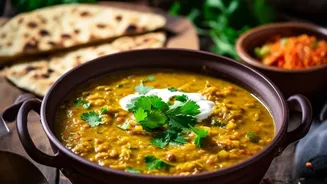
The final stage of cooking is where the magic truly happens. For any dal, skipping the tadka, or tempering, is a missed opportunity. Frying spices like cumin seeds, mustard seeds, garlic, or dried chillies in hot ghee or oil releases their essential oils, creating an aromatic explosion of flavour that elevates the entire dish. This single step can transform a simple, boiled lentil soup into a complex and satisfying meal. Another pro-tip is to let your dal rest for a few minutes after cooking. This allows the flavours to meld together and the consistency to settle. Finally, the quality of your ingredients matters. Old, improperly stored pulses can lose moisture and may never soften completely, no matter how long you cook them. Using fresh stock and filtered water can also make a noticeable difference, letting the natural taste of the pulses shine through without any interference from mineral tastes in tap water.