



The New Hill Station Hustle
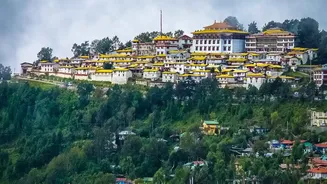
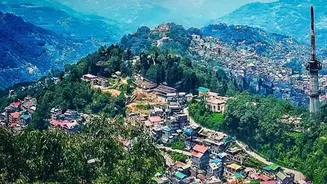
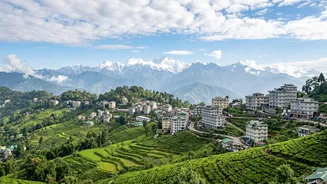
Gangtok is trading its reputation as a fleeting tourist stop for a new identity: a thriving hub for digital nomads and remote professionals. The concept of a 'workation' — a blend of work and vacation — has found a firm footing in the Sikkimese capital.
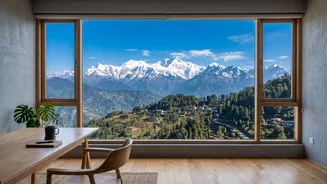
Tech workers, armed with laptops and a desire for better work-life balance, are swapping their urban office setups for extended stays in the mountains. This isn't just about escaping the city; it's a deliberate choice to integrate work into a more serene, inspiring, and culturally rich environment. The trend signifies a broader shift in professional culture, where productivity is no longer tied to a specific location but to connectivity and a conducive atmosphere, which Gangtok increasingly provides.
Why Gangtok, and Why Now?
What makes Gangtok the destination of choice? The city offers a unique combination of modern infrastructure and natural beauty. Unlike many other hill stations, Gangtok boasts a reputation for cleanliness, safety, and well-organized civic amenities. For remote workers, the critical factor is connectivity. The availability of reliable high-speed internet, with both broadband services and strong 4G networks from providers like Jio and Airtel, has been a game-changer. This robust digital infrastructure ensures that coding, client calls, and virtual meetings can proceed without a hitch. Beyond the practicalities, the city's vibrant local culture, pedestrian-friendly MG Marg, and an array of charming cafes create a perfect ecosystem for a balanced lifestyle.
Inside the Co-Living Spaces
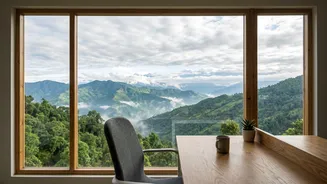
At the heart of this trend are the burgeoning co-living and co-working spaces. Establishments are moving beyond standard hotel rooms to offer tailored experiences for long-stay professionals. These hubs provide not just a desk and Wi-Fi, but a community. They feature ergonomic workstations, private meeting rooms, and sometimes even podcast studios, all designed to foster productivity. Accommodations range from serviced apartments with fully equipped kitchens to hostels that emphasize a social atmosphere. This model allows professionals to plug into a ready-made community of like-minded individuals, combating the isolation that can sometimes accompany remote work while providing a clear separation between living and working quarters. The focus is on creating an ecosystem where one can work efficiently and then step out to explore or socialize.
Monsoon Magic: A Counterintuitive Draw
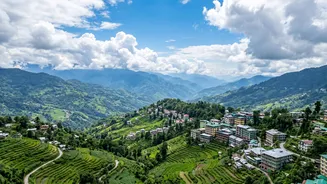
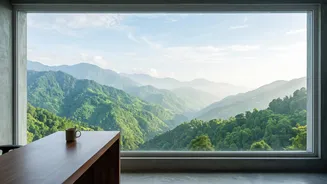
While the peak tourist seasons in Gangtok are spring and autumn, remote workers are discovering the unique charm of the monsoon. This supposedly 'off-season' period offers distinct advantages. The crowds thin out, leading to a quieter, more peaceful environment conducive to deep work. The landscape transforms into a lush, vibrant green, and the clouds that drift through the valleys offer a dramatic, ever-changing backdrop. For many, the rain-washed streets and the cozy atmosphere of a cafe with a mountain view are a source of inspiration rather than an inconvenience. This counterintuitive choice allows workationers to experience the city like a local, enjoying a slower pace of life far from the typical tourist rush.
A Sustainable Model for Work and Travel
This movement is not just a fleeting trend but is being actively supported by local and state initiatives. Recognizing the potential, projects like 'Nomad Sikkim' are being developed to create dedicated digital nomad villages in the region, blending remote work with sustainable tourism and community empowerment. These initiatives focus on upgrading homestays, ensuring high-speed internet, and creating structured environments that benefit both the visitors and the local economy. By attracting long-stay professionals instead of short-term tourists, the model fosters a more sustainable form of tourism that encourages deeper cultural immersion and provides a steady stream of income for local entrepreneurs.