






The Paradox of the Modern City
Our cities are expanding at a breathless pace. We live in towers that scrape the sky and work in sprawling corporate parks, surrounded by millions. Yet, for many, this physical proximity doesn't translate to social connection. A staggering 43% of urban
Indians report feeling lonely, placing the country among the most affected globally. This silent epidemic of urban isolation is driven by long work hours, the shift to nuclear families, and digital lives that often substitute for genuine contact. The result is a profound sense of disconnection, where neighbours become strangers and the city, a lonely place. Experts have warned that chronic loneliness is not just a fleeting feeling; it carries significant health risks, comparable to smoking and increasing the likelihood of heart disease and stroke.
The Simple Power of a Shared Walk
So, what’s the antidote? The solution might be as simple as putting on a pair of shoes. Walking is a low-pressure, accessible activity that requires no special equipment or skill. But its power multiplies when done in a group. Psychologically, shared activities create stronger bonds than conversation alone. When people move together, they create a shared experience, a rhythm that breaks down social barriers and reduces inhibition. The act of walking itself boosts blood flow to the brain, calming the nervous system and relieving stress, making it easier to connect with others. It provides a natural, unstructured space for conversation to flow, turning a simple stroll into a powerful tool for social bonding.
From Strangers to a Community
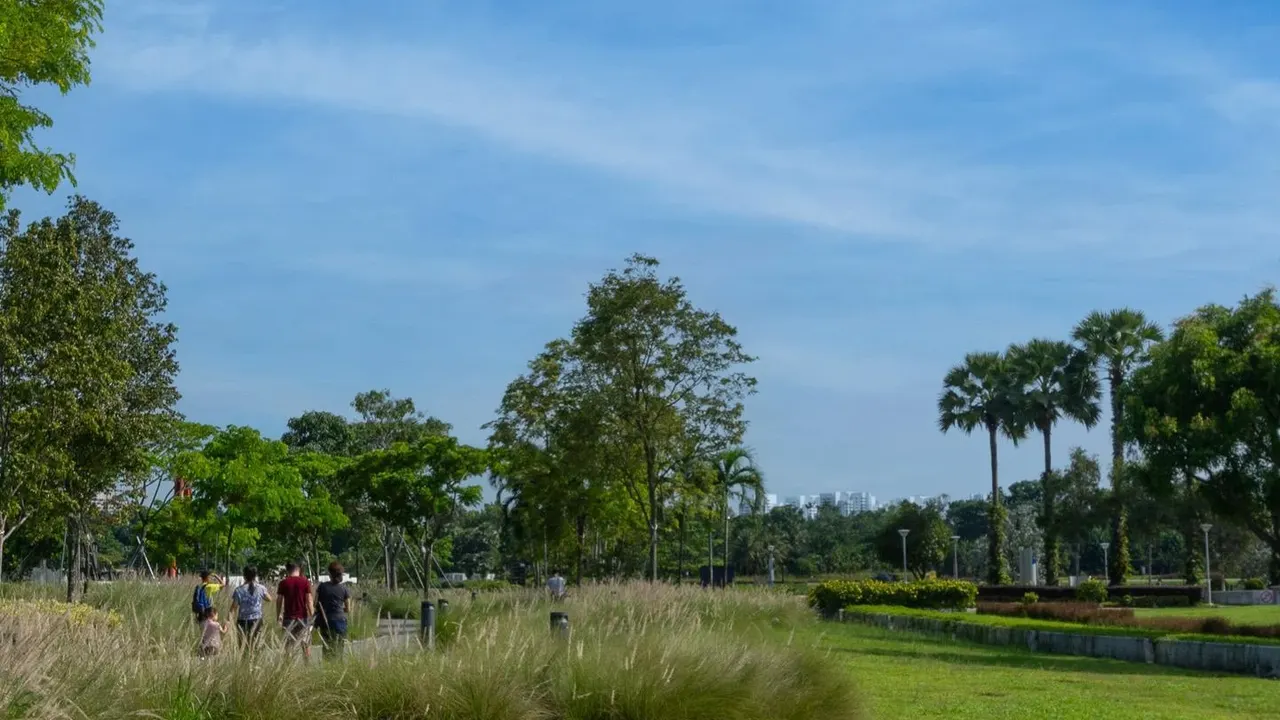
Across India, thousands of people are discovering this for themselves. Groups like 'Gurgaon Walkers Group' and 'Bangalore Morning Walkers' are bringing people together for weekly hikes and strolls. In Delhi, 'City Girls Who Walk Delhi' has created a massive community for women to explore the city, network, and find companionship in a safe environment, organising free walks in parks, around monuments, and through interesting neighbourhoods. These groups aren't just about fitness; they are about fostering a sense of belonging. The walks often end with chai, breakfast, or simply more conversation, extending the window for connection. Participants report that the social involvement has a major positive impact on their mental health, offering a regular, dependable source of interaction.
A Tapestry of the Neighbourhood
One of the most beautiful outcomes of these walking groups is the diversity they foster. In a city that can often feel socially stratified, these walks bring together people from different generations, professions, and backgrounds. A software engineer might find themselves walking alongside a retired teacher, a college student, or a small business owner. This casual mixing creates a social fabric that is often missing in planned urban life. Groups like The Deccan Archive in Hyderabad even blend walking with heritage, exploring different parts of the city and its history together. These shared experiences build empathy and understanding, reminding participants that they are part of a larger, more varied community than they might encounter in their daily routines.
More Than Just Taking Steps
The benefits of these communities ripple outwards. They increase feelings of safety and belonging in a neighbourhood, as familiar faces become friends. They can lead to other shared activities, from supporting local businesses together to organising community events. The 'Gurgaon Walkers Group', for instance, has expanded its initiatives to include biking for women and intergenerational bonding activities, bridging the gap between young and old. These groups are not just a response to loneliness; they are actively rebuilding the social infrastructure of our cities from the ground up. They prove that community isn't a place, but an action—a continuous, shared effort to show up for one another.