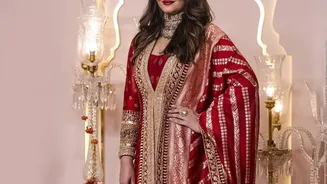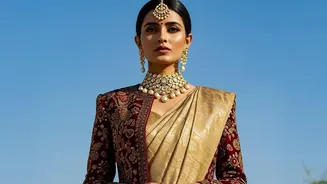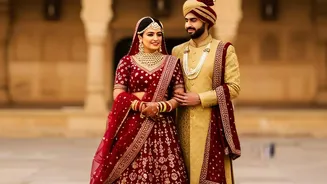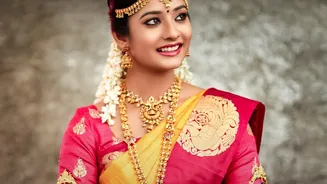


The quintessential Indian wedding outfit—heavy, opulent, and often worn just once—is getting a modern, conscious makeover. For 2026, designers are championing a new philosophy: luxury that lasts, with bridal silhouettes designed to be loved long after.
The New Bridal Mindset
For generations, the value of a bridal lehenga was measured in its weight—the more intricate the embroidery and heavier the fabric, the more luxurious. But a significant shift is underway, driven by a new generation of brides who prioritise practicality and sustainability alongside splendour. The 'cost-per-wear' logic, once reserved for handbags and shoes, has officially entered the bridal suite. The modern bride is asking a powerful question: why should the most expensive outfit in her wardrobe be worn only once? This change in mindset is fuelling a demand for wedding wear that is not only beautiful but also versatile and rewearable. It's a move away from disposable extravagance towards creating a cherished heirloom that can be part of a wardrobe for years to come.
Breaking Down the Bridal Look
The secret to rewearability lies in deconstruction. Designers are now creating modular bridal ensembles that can be broken down into individual components. Instead of a single, indivisible garment, the 2026 bride might invest in a three or four-piece set: a statement skirt, a versatile blouse, and one or two dupattas. The heavy bridal choli can be swapped for a crisp silk shirt or a simple crop top to make the lehenga skirt appropriate for a friend's sangeet. The ornate dupatta can be draped over a simple Anarkali or even styled with a contemporary dress. Designers are also offering options like detachable capes, jackets, and lighter dupattas, allowing brides to transition a look from a grand ceremony to a relaxed reception with ease.
The Fabric of Sustainability
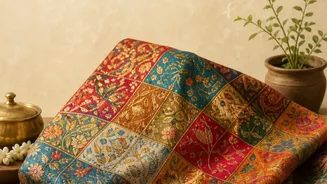
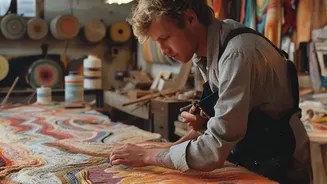
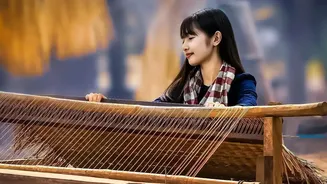
This trend is also deeply connected to a larger movement towards conscious materials. Designers are increasingly opting for natural, hand-loomed fabrics that feel as good as they look. Materials like lightweight Banarasi and Chanderi silks, organic cottons, and breathable organza are replacing heavy, synthetic-based fabrics. These textiles not only offer more comfort and movement but also have a smaller environmental footprint. Brands such as Anita Dongre's Grassroot label have long championed artisan communities and eco-friendly practices. This focus on handcrafted textiles ensures the preservation of heritage crafts like Chikankari, Zardozi, and Gota Patti, making each piece a testament to slow, mindful fashion.
How to Restyle Your Heirloom
The possibilities for restyling are endless. That magnificent bridal skirt can be belted at the waist and worn with a tuckedin white buttondown for a chic, Indowestern look. The heavily embroidered blouse, once the centrepiece of the wedding look, can be paired with elegant palazzos, tailored trousers, or a simple, contrasting saree. For those willing to make a permanent alteration, a bridal lehenga can be expertly tailored into a stunning floorlength Anarkali gown. The key is to see the wedding outfit not as a single entity, but as a collection of beautiful, highquality separates waiting for their next moment to shine. It's about breaking the pieces apart to give them a new life.