



Spiti Valley: The Dry Mountain Desert
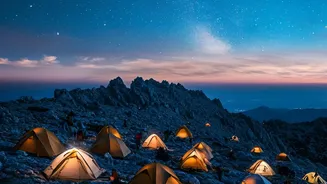
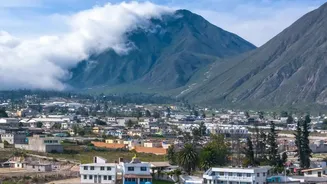
While most of India is drenched, the high-altitude cold desert of Spiti Valley in Himachal Pradesh remains remarkably dry. Tucked away in a rain-shadow region behind the Himalayas, Spiti offers clear blue skies and uninterrupted sunshine, making August
one of the best months to visit. This is a monsoon trip for those who want to escape the rain entirely. The stark, lunar-like landscape of barren mountains is punctuated by vibrant green patches along the Spiti River. The weather is perfect for exploring ancient Buddhist monasteries like Key Gompa and Tabo, which seem to hang precariously from cliffs. You can visit some of the world's highest inhabited villages, such as Komik and Langza, and witness a culture that has remained preserved for centuries. The journey itself, often via the scenic but challenging roads from Shimla or Manali, is an adventure. It’s a destination for the intrepid traveller seeking solitude, dramatic scenery, and a spiritual connection with a land that time seems to have forgotten.
Orchha: Where History Turns Green
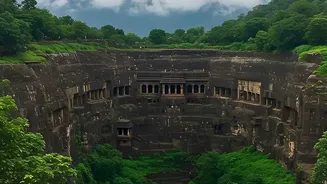
Imagine majestic palaces, temples, and cenotaphs, their stone facades washed clean by the rain and set against a backdrop of lush greenery. This is Orchha in August. Located in Madhya Pradesh, this historic town on the banks of the Betwa River transforms into a verdant paradise during the monsoon. The usually dry and arid landscape of Bundelkhand becomes vibrant and alive. The Betwa River, normally a gentle stream, swells into a powerful torrent, adding a dramatic flair to the scenic landscape. Exploring the Orchha Fort complex, with its magnificent Jahangir Mahal and Raj Mahal, feels like stepping into a forgotten kingdom revived by the rains. Climbing to the top of the Chaturbhuj Temple offers breathtaking panoramic views of the entire town enveloped in green. This is a far cry from a typical hill station getaway; it’s an immersive experience where history, architecture, and nature converge in a spectacular seasonal display.
Kaas Plateau: A Carpet of Wildflowers
For a few short weeks at the end of the monsoon, a barren-looking volcanic plateau in Maharashtra undergoes a magical transformation. The Kaas Plateau, a UNESCO World Heritage Site near Satara, bursts into a riot of colour, earning its nickname as Maharashtra's 'Valley of Flowers'. Late August marks the beginning of this spectacular blooming season, when over 850 species of wildflowers carpet the entire landscape in shades of pink, purple, yellow, and white. It is a surreal sight, with vast stretches of tiny flowers swaying in the gentle breeze under misty monsoon skies. Walking along the designated paths, you can spot rare and endemic species, including insectivorous plants like Drosera and Utricularia. Visiting Kaas isn't about adventure sports or luxury resorts; it's a lesson in patience and appreciating nature's fleeting beauty. The bloom changes every few weeks, offering a different canvas of colours depending on when you visit, making it a truly unique monsoon phenomenon.
Bundi: The Green Oasis of Rajasthan
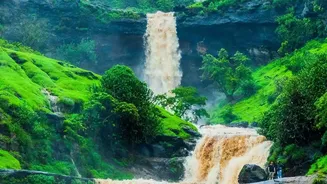
Rajasthan in the monsoon? It might sound counterintuitive, but the small, often-overlooked town of Bundi offers an experience that shatters desert stereotypes. Known as the 'City of Stepwells', Bundi comes alive when the rains arrive. The surrounding Aravalli hills shrug off their dusty brown coat for a shimmering green one, the numerous lakes and baoris (stepwells) fill to the brim, and seasonal waterfalls make a surprising appearance. The town's blue houses, ornate palaces, and crumbling fort seem even more romantic against the dramatic monsoon sky. Unlike the crowded tourist circuits of Jaipur or Udaipur, Bundi offers a slower, more authentic pace. You can explore the magnificent Taragarh Fort, admire the murals in the Bundi Palace, or simply sit by Jait Sagar Lake and watch the clouds roll in. It is a chance to see a completely different side of Rajasthan, where the magic of the monsoon provides a cool, green respite from the desert heat.