




Cosmic Crumbs from a Famous Comet
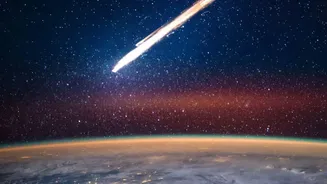
The Orionid meteor shower is an annual celestial event caused by Earth passing through the debris trail of one of history's most famous comets: 1P/Halley, or Halley's Comet. This comet, which takes about 76 years to orbit the Sun, last visited our neighbourhood
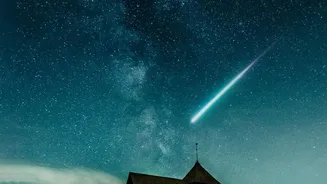
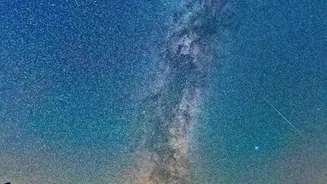
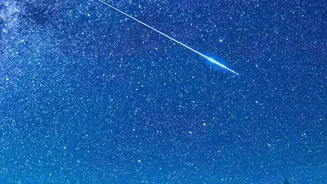
in 1986 and won't be back until 2061. But every year, we get a reminder of its journey. As tiny particles of dust and ice shed by the comet slam into our atmosphere at tremendous speeds—around 66 kilometres per second—they burn up, creating the brilliant streaks of light we call meteors. The Orionids are known for being particularly fast and can sometimes leave behind glowing trails that persist for several seconds. In exceptional years, they have produced dazzling displays of 50 to 75 meteors per hour, though a rate of 15 to 25 per hour is more typical under perfect conditions.
Peak Viewing Times for 2026
The Orionid meteor shower is active for a long stretch, from early October to early November. However, the best time to watch is during its peak, when the highest concentration of meteors is expected. For 2026, the peak is predicted for the night of October 21-22. The shower is known for having a broad maximum, so you may also see good activity on the nights immediately before and after the peak. The prime viewing window each night is in the hours after midnight until dawn. This is when the shower's radiant—the point in the sky where the meteors appear to originate, near the constellation Orion—climbs highest in the sky, increasing the number of meteors you can see streaking across the heavens.
The Moon's Role This Year
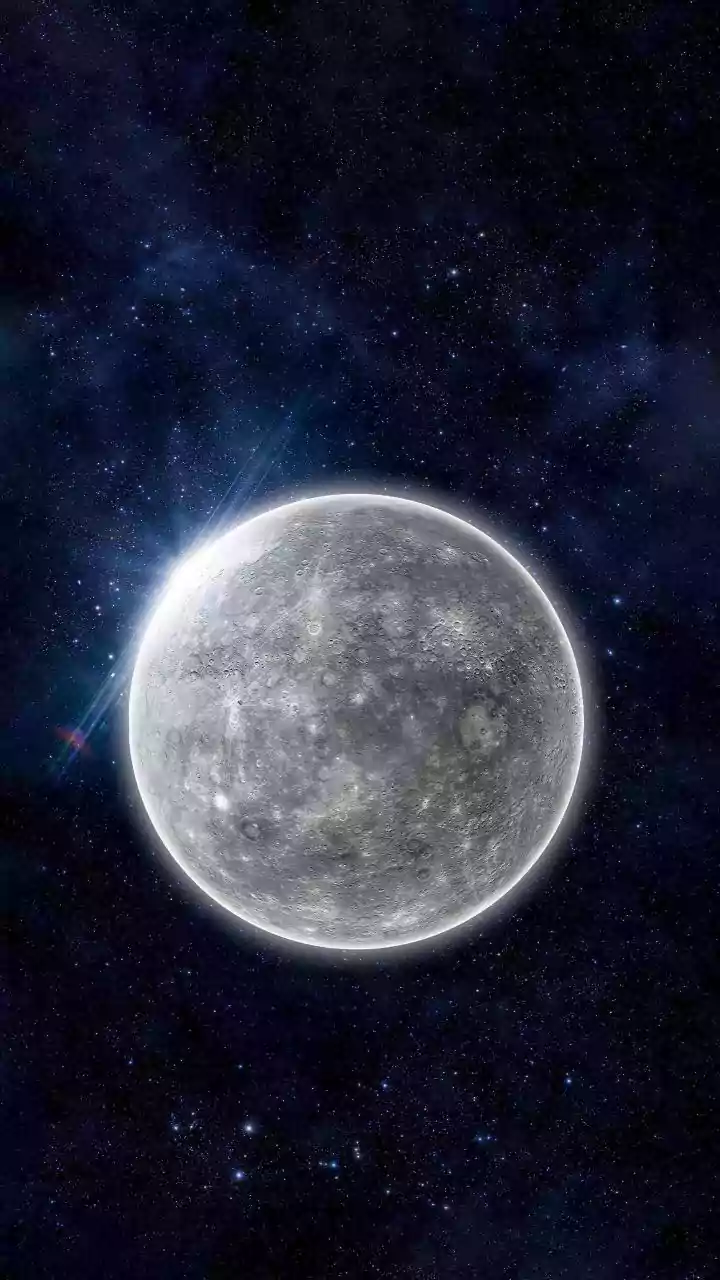
The brightness of the Moon is the single biggest factor that can make or break a meteor shower viewing. A full moon can easily outshine all but the brightest fireballs. The headline's concern is valid, as moonlight is often a problem for stargazers. During the 2026 Orionid peak on October 21-22, the Moon will be in a bright waxing gibbous phase, over 75% illuminated. This means it will indeed be bright for a large portion of the night. However, there is good news for patient observers. On the peak mornings, the Moon will set a few hours before sunrise. This opens up a crucial window of true darkness, allowing for much better viewing conditions in the pre-dawn hours when the shower's activity is at its highest. So while the Moon will interfere early in the night, it won't spoil the entire show for those willing to stay up late or wake up early.
Your Guide to a Great Viewing Experience
You don’t need a telescope or any special equipment to enjoy the Orionids—just your eyes and a bit of planning. The most important step is to get away from city and town lights. Find a dark spot with a wide-open view of the sky. Light pollution can reduce the number of visible meteors by more than half. Once you're settled, give your eyes at least 20 to 30 minutes to fully adjust to the darkness; avoid looking at your bright phone screen during this time. Dress warmly in layers, as even on a mild night, you can get chilly while sitting still. Lie back on a blanket or reclining chair to get a comfortable, broad view of the sky. While the meteors radiate from Orion, they can appear anywhere, so you don’t need to stare at one single spot. For the best results in 2026, plan your viewing session for the pre-dawn hours after the Moon has set.