




A New Space Race Begins at Home
India's space sector is experiencing a renaissance. Once the exclusive domain of the Indian Space Research Organisation (ISRO), the final frontier has been thrown open to private enterprise, and entrepreneurs are rushing in. The numbers tell a compelling
story: from just a handful of companies a few years ago, the ecosystem has exploded to over 400 registered space startups by 2026. This surge reflects a dramatic rise in confidence, not just in India's technological prowess, but in the commercial viability of space. The country's space economy, currently valued at around $8.4 billion, is projected to swell to $44 billion by 2033. This growth is fueled by a mix of government reforms, ambitious founders, and a flood of new investment, with startups raising hundreds of millions of dollars in recent years to fund their celestial ambitions.
The Policy Shift That Unlocked the Sector
The pivotal moment came in 2020, when the government announced historic reforms to liberalize the space sector. This led to the creation of the Indian National Space Promotion and Authorisation Centre (IN-SPACe), a single-window agency designed to promote, authorize, and supervise the activities of non-governmental entities (NGEs). Further clarified by the Indian Space Policy 2023, the rules of engagement were redrawn. Private companies were no longer just component suppliers for ISRO; they could now build and launch their own rockets, own and operate satellites, and sell their data and services on the open market. IN-SPACe acts as the crucial interface, giving startups access to ISRO's world-class facilities, facilitating technology transfers, and providing regulatory clarity that was previously a major hurdle. This framework, combined with liberalized FDI norms allowing greater foreign investment, has created a fertile ground for innovation to flourish.
Meet the New Trailblazers
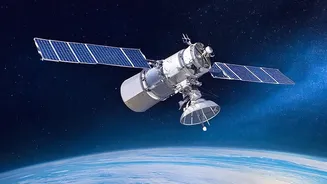
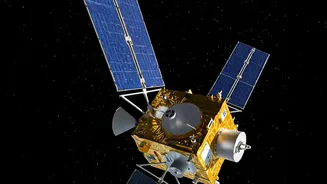
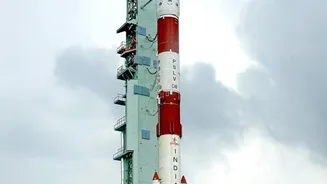
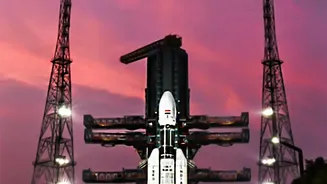
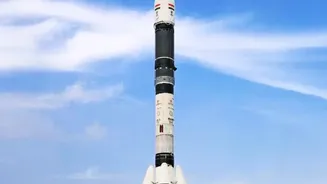
Several startups have emerged as leaders of this new wave. Skyroot Aerospace made history by launching Vikram-S, India's first privately developed rocket, and its orbital vehicle, Vikram-1, has successfully deployed payloads, making India the third nation with a privately built orbital launcher. Chennai-based Agnikul Cosmos is another key player, notable for its 3D-printed, semi-cryogenic engines and its own private launchpad. These companies are focused on making satellite launches cheaper and more frequent. Beyond launch vehicles, Bengaluru's Pixxel is making waves in the satellite imagery space. It is building a constellation of hyperspectral imaging microsatellites that can see the Earth in far greater detail than conventional cameras, offering valuable data for agriculture, climate monitoring, and resource management. Other notable firms like Dhruva Space are contributing across the value chain, from satellites to ground station services.
Beyond Rockets: The Downstream Gold Rush
While rocket launches grab headlines, a significant part of the commercial opportunity lies in downstream applications. This involves leveraging satellite data for a vast array of services. It’s a market expected to generate the majority of future revenues. Startups are developing platforms for Earth observation, providing real-time data analytics for industries like agriculture, disaster management, and urban planning. Satellite communication is another massive growth area, with companies working to provide broadband services to remote corners of the country. This shift from launch-centric activities to data monetization is creating a multi-layered industry with diverse entry points for entrepreneurs, from building complex hardware to developing sophisticated software that interprets data from orbit.
Challenges on the Horizon
Despite the incredible momentum, the path ahead is not without obstacles. Access to patient capital remains a primary concern. Space ventures are high-risk and have long gestation periods, which can deter traditional venture capitalists. While government funds have been set up, the need for significant early-stage investment is immense. Regulatory frameworks, though improving, still have gaps, particularly concerning liability and spectrum allocation. Furthermore, there is intense global competition from established players like SpaceX, and a continued dependence on some imported high-tech components highlights the need for a more self-sufficient domestic supply chain.