



The Tale of the Little Boy
El Niño, which is Spanish for "the little boy" or "Christ child," was first noticed by South American fishermen in the 1600s. They observed that a warm ocean current would sometimes appear off the coast of Peru around Christmas. Scientifically, El Niño is the warm phase
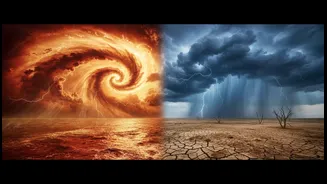
of a larger phenomenon called the El Niño-Southern Oscillation (ENSO). It involves a significant warming of the sea surface temperatures in the central and eastern tropical Pacific Ocean. This isn't just a local event; it's a massive shift in the ocean-atmosphere system that can alter weather patterns across the globe, occurring every two to seven years.
How the Monsoon Works
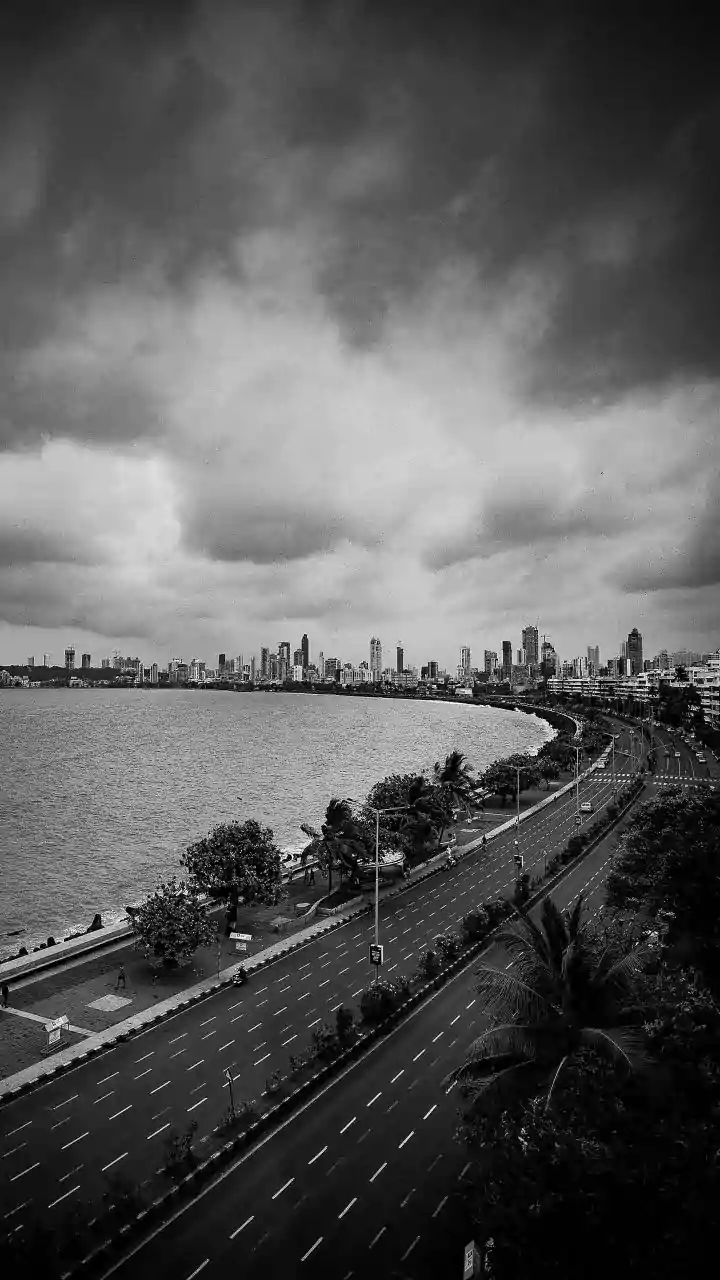
To understand El Niño's impact, it helps to first know how the Indian monsoon works. The monsoon is essentially a giant sea breeze, driven by temperature differences between the land and the ocean. During summer, the Indian landmass heats up much faster than the surrounding Indian Ocean. This creates a low-pressure area over the land, which pulls in moisture-laden winds from the high-pressure zone over the cooler ocean. These winds, known as the southwest monsoon, travel across the subcontinent, releasing rain that is vital for agriculture and replenishing water reserves.
A Ripple Effect Across the Globe
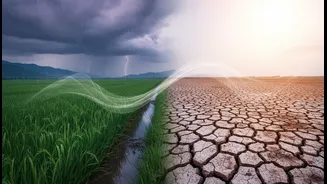
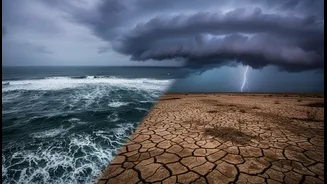
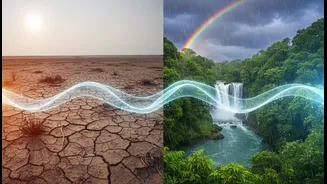
So, how does warm water in the Pacific disrupt this system? The connection lies in the atmosphere. The world's weather is interconnected through large-scale circulation patterns. One of these is the Walker Circulation, an atmospheric loop over the tropical Pacific. Normally, this circulation helps push warm, moist air towards Asia, strengthening the Indian monsoon. But during an El Niño, the warming of the eastern Pacific reverses this pattern. The rising warm air and cloud formation shift eastward, away from India. This creates a ripple effect, causing atmospheric subsidence (sinking air) over the Indian subcontinent, which suppresses cloud formation and leads to drier conditions.
A Strong Link, But Not a Certainty
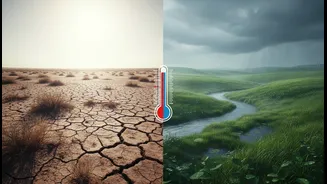
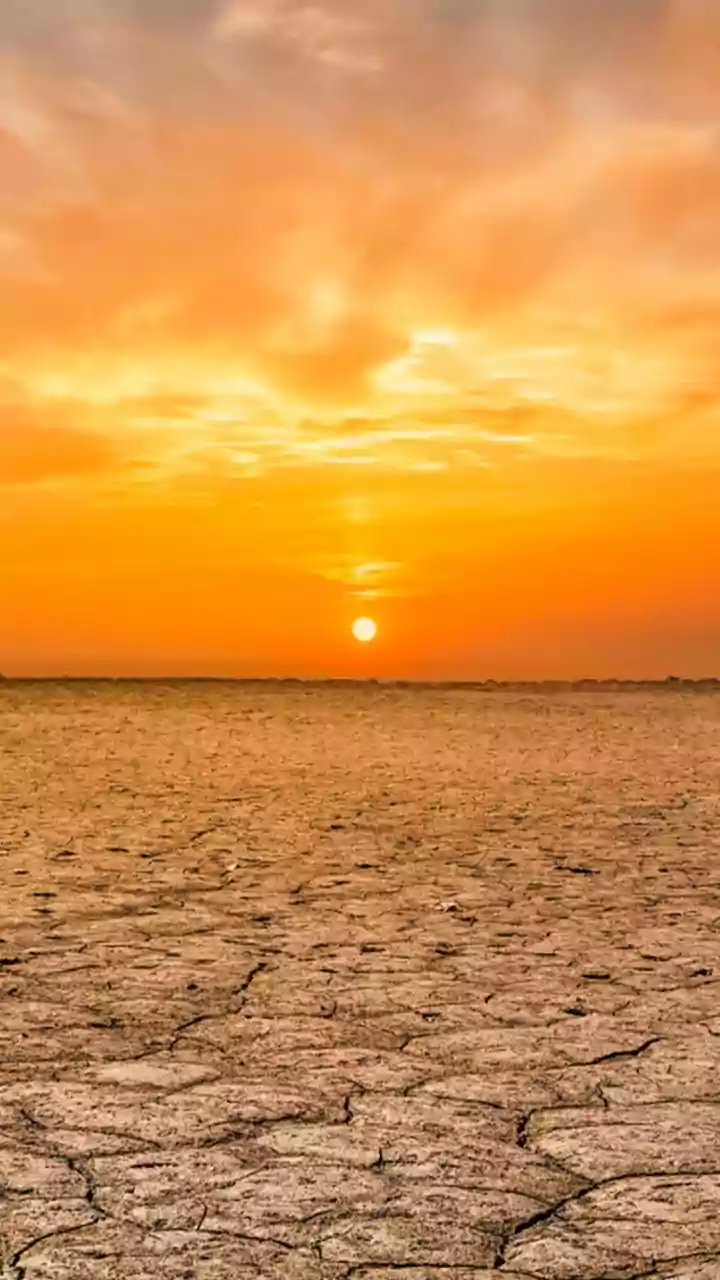
The correlation between El Niño and a weaker Indian monsoon is strong. Historically, about half of all El Niño years have resulted in drought conditions in India. This is why forecasters at the India Meteorological Department (IMD) and economists across the country pay such close attention to conditions in the Pacific. However, the link is not a perfect one-to-one relationship. Not every El Niño year leads to a bad monsoon. Other climate factors, such as the Indian Ocean Dipole (IOD)—a similar temperature variation in the Indian Ocean—can either counteract or worsen El Niño's effect. A 'positive' IOD, with warmer waters in the western Indian Ocean, can sometimes bring good rains even during an El Niño year.
The Economic Stakes
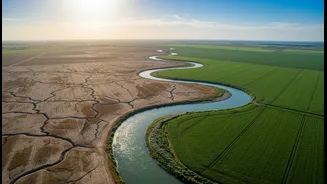
The reason El Niño becomes a headline topic is its profound economic impact. For India, the monsoon is the 'real finance minister'. A significant portion of the country's agriculture is rain-fed, meaning it depends directly on monsoon rainfall for crop yields. A weak monsoon, often linked to El Niño, can lead to lower agricultural output, which in turn fuels food inflation, reduces rural incomes, and dampens demand for everything from tractors to fast-moving consumer goods. It also affects water reservoir levels, impacting drinking water supply and hydroelectric power generation. This cascading effect means that a forecast of El Niño can send shivers through not just farms but also the financial markets.