






What Are Thermoelectric Fabrics?
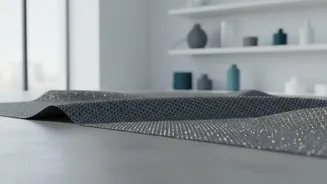
At its core, a thermoelectric fabric is a textile that can generate electricity from a temperature difference. Imagine a shirt that feels like any other piece of clothing but has microscopic power plants woven into its very fibres. Researchers achieve
this by embedding or coating textiles with special thermoelectric materials. These materials have the unique ability to create a voltage when one side is warmer than the other. Traditionally, these materials were rigid and brittle, like ceramics, making them unsuitable for clothing. However, recent breakthroughs with flexible polymers and advanced nanomaterials are making it possible to create fabrics that are comfortable, stretchable, and power-generating. The goal is to integrate these smart threads so seamlessly that you wouldn't know they're there, creating a truly wearable and self-sustaining power source.
From Body Heat to Electric Power
The science behind this futuristic clothing relies on a principle discovered nearly 200 years ago called the Seebeck effect. In simple terms, when there's a temperature difference across a thermoelectric material, it causes electrons to move from the hot side to the cold side, creating an electrical current. In a wearable device, your skin acts as the constant heat source. The fabric harnesses the temperature difference between your warm body and the cooler ambient air. This flow of heat through the specialised fibres generates a small but continuous electrical current. While the power generated is currently in the microwatt to milliwatt range, it's enough to operate low-power sensors and electronics, such as those found in modern health and fitness trackers.
The Future of Fitness Tracking
For fitness enthusiasts, this technology could be a game-changer. The most immediate benefit is the elimination of batteries in wearables. Imagine a fitness tracker embedded in your running shirt that never needs to be charged because it's powered by the very workout it's monitoring. This opens the door to continuous, uninterrupted health monitoring. Your shirt could track your heart rate, your socks could analyse your running gait, and your yoga pants could monitor muscle exertion, all in real-time and without the risk of a dead battery. This constant stream of data could provide a much more detailed and accurate picture of athletic performance and physical health, moving beyond simple step counts to offer deeper insights into your body's response to exercise.
Beyond the Gym: A Revolution in Healthcare
The implications for healthcare are even more profound. Battery-free wearables could revolutionise remote patient monitoring, a critical area of modern medicine. For individuals with chronic conditions like diabetes or heart disease, a thermoelectric garment could power a continuous glucose monitor or an ECG sensor, providing a constant stream of vital data to doctors without requiring the patient to manage a clunky, battery-powered device. This uninterrupted monitoring can help in early detection of health issues and provide a more complete record for clinical diagnosis. Researchers are exploring how these fabrics could power everything from smart patches that monitor vital signs to embedded sensors that track body temperature and sweat composition, making healthcare more proactive and less intrusive.
Challenges on the Road to Your Wardrobe
Despite the exciting possibilities, several hurdles remain before you can buy a self-powering shirt at your local store. The primary challenge is efficiency and power output; the amount of energy generated is still quite low, limiting the types of devices it can power. Durability is another major concern. These fabrics must withstand the rigours of daily life, including stretching, bending, and repeated washing, without losing their thermoelectric properties. Finally, cost and manufacturing scalability are significant barriers. Many high-performance thermoelectric materials use rare and expensive elements, and the complex manufacturing processes are currently difficult to scale for mass production, making the end products prohibitively expensive for the average consumer.