




Layering: Your First Line of Defence
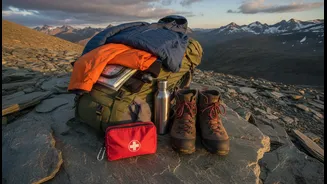
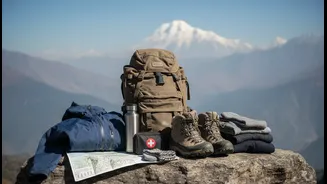
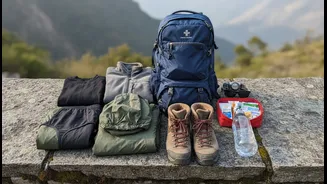
The key to staying comfortable during the Yatra is layering your clothing. Temperatures can fluctuate dramatically, from pleasant sun to freezing cold in a matter of hours. Start with a base layer of thermal innerwear that wicks moisture away from your skin.
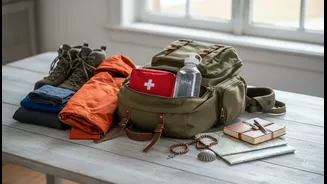
Over this, add a mid-layer like a fleece jacket or a woollen sweater for insulation. Your outermost layer should be a high-quality waterproof and windproof jacket to protect you from sudden rain and strong winds, which are common at high altitudes. Avoid heavy, bulky clothes; multiple lighter layers offer more flexibility. For women, a salwar kameez or tracksuit is more practical and comfortable for trekking than a sari.
Weatherproof Gear is Non-Negotiable
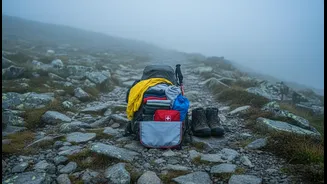
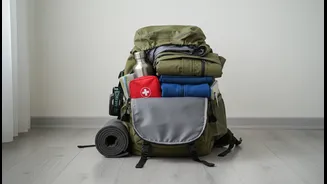
Given the high chance of rain and even snowfall, proper rain gear is essential. This includes not just a waterproof jacket but also waterproof trekking pants. An umbrella can be useful, but choose one that can be secured to your head or wrist, as strong winds can make it difficult to hold. A waterproof cover for your backpack is crucial to keep your clothes, documents, and electronics dry. Do not underestimate how quickly conditions can change; what starts as a sunny day can turn into a downpour without much warning.
Footwear: Your Most Important Companion
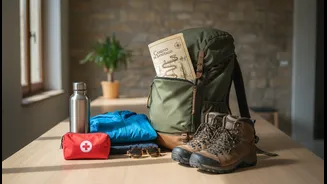
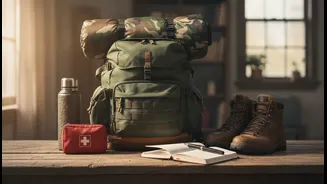
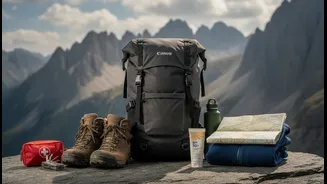
You will be walking for long hours on uneven and often slippery terrain. A pair of sturdy, waterproof trekking shoes with good grip and ankle support is arguably the most important item on your packing list. Do not attempt the trek in slippers or casual shoes. Make sure your shoes are well broken-in before the Yatra to avoid painful blisters. Pack several pairs of woollen socks to keep your feet warm and dry. It's also a good idea to carry a pair of sandals or floaters to wear around the campsites, giving your feet a rest.
Health and First-Aid Kit
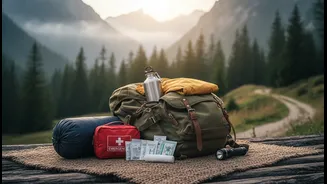
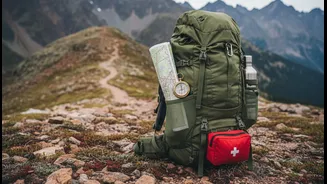
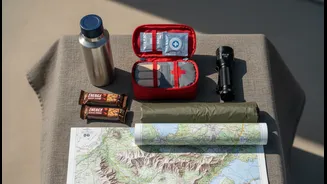
The high altitude can pose health challenges, so a well-stocked medical kit is a must. Include basic medicines for pain relief, fever, cold, and stomach upset. Band-aids for blisters, antiseptic cream, and crepe bandages are also essential. It is highly recommended to consult your doctor before the Yatra about medication for altitude sickness. Carry sunscreen, lip balm, and a good moisturiser, as the sun and cold can be harsh on your skin. Also, pack any personal prescription medications you need, ensuring you have enough for the entire trip.
Essential Documents and Communication
Keep your official documents safe and accessible. This includes your Yatra Permit, a government-issued Photo ID like an Aadhaar card, and the mandatory Compulsory Health Certificate (CHC). It's wise to carry both the original documents and photocopies in a waterproof bag. Remember that prepaid mobile SIM cards often do not work in the region; a postpaid connection (BSNL, Jio, or Airtel) is necessary for communication. Ensure your phone is fully charged and carry a power bank, as charging points are scarce.
Sustenance and Other Necessities
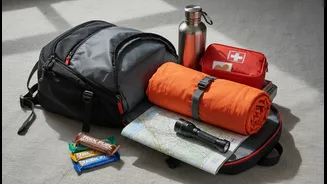
While free food is available at langars, carrying your own high-energy snacks is a good idea. Pack items like dry fruits, chocolates, roasted chana, and energy bars to keep your energy levels up during the trek. Staying hydrated is critical at high altitudes, so carry a reusable water bottle. A walking stick or trekking pole will provide crucial support and balance on steep sections. A torch or headlamp with extra batteries is vital, as you might need to walk in low-light conditions.