



The Death of the Canteen Meal
For years, the urban office lunch was a predictable, often uninspiring affair. The options were limited: the greasy canteen paratha, a hastily ordered pizza shared among colleagues, or an expensive and unsatisfying sandwich from a nearby café. While convenient,
these choices often came with a side of guilt—about health, expense, or the sheer monotony of it all. Young professionals, especially those who had moved to big cities for work, found themselves caught in a cycle of unhealthy eating that left them feeling drained, both physically and financially. The daily question of 'What to eat for lunch?' became a source of stress rather than a welcome break.
Enter the Modern Tiffin Service
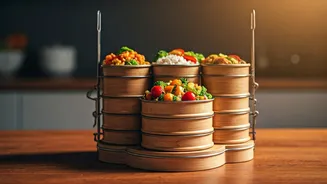
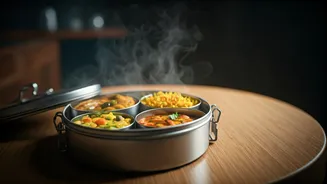
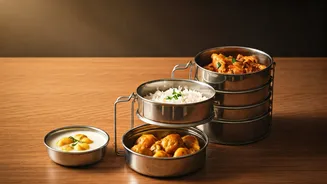
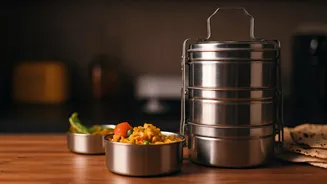
This is where the modern, home-style tiffin service steps in. This isn't the classic Mumbai dabbawala system, though it shares the same spirit. Today’s tiffin providers are a new breed of food-tech startups and cloud kitchens. They operate through slick apps and websites, offering subscription-based models, customisable meal plans, and daily menus. They promise what the young, time-poor, and health-conscious professional craves: consistency, variety, and the comforting taste of 'ghar ka khana' (home-cooked food). These services deliver balanced meals—typically a combination of rotis, dal, a sabzi, and rice—directly to office buildings, effectively outsourcing the chore of meal prep and decision-making.
A Subscription to Good Health
A primary driver behind this trend is a growing consciousness around health and wellness. Unlike previous generations who might have prioritised taste or cost above all, today’s young Indians are acutely aware of what they put into their bodies. They read labels, track calories, and understand the impact of diet on productivity and long-term health. Fast food and canteen fare, often high in oil, salt, and processed ingredients, no longer make the cut. Home-style tiffins are marketed as the perfect antidote. They offer simple, wholesome ingredients, controlled portion sizes, and a balanced nutritional profile. It’s a convenient way to maintain a healthy diet without the effort of cooking, making it an easy choice for busy workdays.
Serving a Taste of Nostalgia
Beyond the practical benefits of health and convenience lies a powerful emotional pull. For thousands of young people living in metros far from their families, the daily tiffin is more than just lunch; it's a connection to home. The simple flavour of a familiar dal or a well-made sabzi can evoke feelings of comfort and care, alleviating the loneliness that often accompanies life in a big city. These meals are a taste of nostalgia, a daily reminder of a mother's cooking. In a fast-paced, often impersonal corporate world, this small box of home-style food provides a moment of genuine comfort and emotional nourishment, making the workday feel a little less daunting.
A Quiet Cultural Statement
In a way, the return of the tiffin is also a subtle cultural statement. After years of aspiring to global food trends—from pizza and burgers to sushi and smoothie bowls—there is a renewed appreciation for simple, regional Indian cuisine. By choosing a tiffin of dal-roti over a quinoa salad, young professionals are embracing their own culinary heritage. It’s a move away from the idea that 'Western' or 'exotic' is inherently better. This isn't a rejection of globalisation but rather an integration of it. They are using modern technology (apps) and business models (subscriptions) to access a deeply traditional form of eating, proving that you can be modern and rooted at the same time.