
MS Dhoni: The Ticket Collector's Dilemma
Before he was 'Captain Cool', leading India to multiple World Cups, Mahendra Singh Dhoni was a Travelling Ticket Examiner (TTE) at Kharagpur railway station. Between 2001 and 2003, his life was a grind of checking tickets and rushing to play cricket,
a practical choice made to secure a steady income for his family. The monotony and frustration of the railway job, far from the roaring stadiums he dreamt of, began to take a toll. Friends and colleagues from that time recall a talented but conflicted young man, questioning if his cricket dream was slipping away. It was a genuine crossroads where one path offered security and the other, a risky, uncertain shot at glory. The decision to finally leave the railways and commit fully to cricket was the gamble that ultimately changed the face of Indian sports.
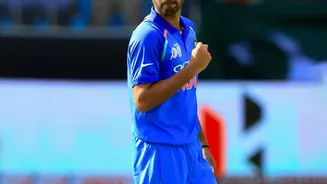
Jasprit Bumrah: The Brink of a Career-Ending Injury
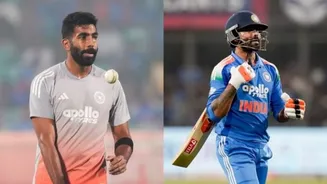
Jasprit Bumrah's explosive, unorthodox bowling action is his biggest weapon, but it has also been his greatest vulnerability. In 2022, a serious stress fracture in his back sidelined him for the better part of a year, forcing him to miss key tournaments, including a World Cup. The injury was so severe that experts and even fellow fast bowlers like Shane Bond warned that another similar setback could be a career-ender. For any fast bowler, a back injury is a terrifying prospect, often leading to a loss of pace and confidence. There were widespread doubts about whether Bumrah could ever return to his peak, especially in the demanding format of Test cricket. His journey through surgery in New Zealand and a meticulous rehabilitation was a silent, gruelling battle fought away from the public eye. His triumphant return as the backbone of India's attack is a testament to his resilience against a physical breakdown that nearly cost him everything.
Zaheer Khan: Reinvention in the English Rain
Zaheer Khan burst onto the scene as a fiery young pacer but soon hit a wall. After a humbling 2003 World Cup final, a combination of injuries and a dip in form saw him lose his place in the Indian team. Newer, younger fast bowlers were being preferred, and Zaheer's career seemed to be fading. Instead of giving up, he made a pivotal decision in 2006: he signed with Worcestershire for a season in English county cricket. It was here, far from home, that he rediscovered his love for the game. He worked with coaches to shorten his run-up and master the art of swing and seam, transforming himself from a pure speed merchant into a master craftsman. The stint was so successful that he was immediately recalled to the Indian side, returning as a smarter, more durable, and far more lethal bowler. This conscious reinvention saved his career and turned him into the leader of India's pace attack for years to come.
Michael Hussey: The Agony of Waiting
They call him 'Mr. Cricket' for his impeccable technique and consistency, but for years, Michael Hussey was Mr. Invisible to Australian selectors. Despite dominating domestic cricket and scoring over 15,000 first-class runs, he couldn't break into Australia's 'golden generation' team. He had to wait until the age of 30 to make his Test debut. For any elite athlete, spending your peak years on the sidelines is a form of torture. The mental battle to stay motivated, to keep performing at a high level without any guarantee of a reward, is immense. Many would have grown disillusioned and quit or accepted their fate as a career domestic player. Hussey, however, kept piling on the runs, showing incredible patience and self-belief. When his chance finally came, he was more than ready, embarking on a spectacular international career that proved the wait was worth it.