





The Power of Progressive Overload
The secret to getting stronger and avoiding injury isn't just copying a difficult workout; it's the principle of progressive overload. This simply means you gradually increase the demand on your muscles over time. You force them to adapt and grow, which
is how you build real, sustainable strength. Instead of jumping into an advanced routine that could lead to burnout or injury, you start with what you can handle and slowly make it more challenging. This could mean adding more repetitions, increasing the weight, or reducing rest times between sets. This philosophy is key to building a body that's not just fit for a film, but fit for life. As Sonam has mentioned, consistency is more important than chasing perfection on any single day.
The Foundation: Beginner Level
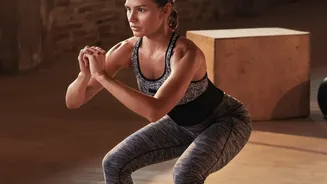
If you're just starting, your first goal is to master the form. Using only your bodyweight is the safest and most effective way to build a solid foundation. An expert orthopaedic doctor noted that beginners should master bodyweight movements before adding any weights to prevent joint issues. Focus on fundamental exercises that work all the major muscles in your legs. Start with three sets of 10-12 repetitions for each exercise. Bodyweight Squats: Stand with your feet shoulder-width apart and lower your hips as if you're sitting in a chair, keeping your chest up and back straight. Lunges: Step forward with one leg and lower your hips until both knees are bent at a 90-degree angle. Push back to the starting position and repeat on the other side. Glute Bridges: Lie on your back with your knees bent and feet flat on the floor. Lift your hips toward the ceiling, squeezing your glutes, then lower back down.
Building Strength: Intermediate Level
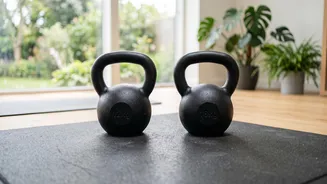
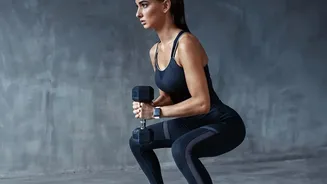
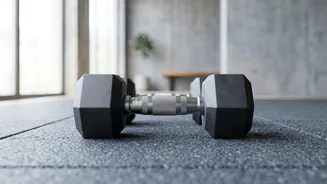
Once you feel confident with the bodyweight versions and can complete your sets with good form, it's time to add resistance. This is where you introduce dumbbells or kettlebells to make the same exercises more challenging. The goal is to increase the load without sacrificing your technique. Goblet Squats: Hold a single dumbbell or kettlebell close to your chest with both hands. Perform a squat, keeping your core engaged to support the extra weight. Weighted Lunges: Hold a dumbbell in each hand at your sides as you perform your lunges. This adds a challenge to both your legs and your stabilizing muscles. Step-Ups: Holding dumbbells, step onto a sturdy bench or box with one foot, driving through your heel to lift your body up. Step down and repeat, alternating legs.
The Advanced Challenge: For Experienced Movers
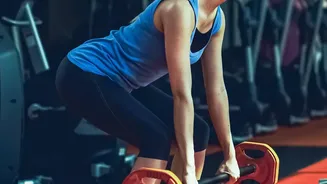
For those who have built a strong foundation and are comfortable with moderate weights, the advanced level focuses on increasing intensity with heavier loads and more complex movements. Proper form is more critical here than ever to prevent injury. Barbell Back Squats: This classic strength-builder involves squatting with a barbell resting across your upper back. It engages the entire lower body and core. Romanian Deadlifts (RDLs): Using a barbell or dumbbells, this exercise targets the hamstrings and glutes. It involves hinging at your hips to lower the weight while keeping your legs relatively straight.* Bulgarian Split Squats: This is an advanced lunge variation where your back foot is elevated on a bench. It intensely targets the quad and glute of the front leg and requires significant balance.
Don't Forget Rest and Recovery
Sonam Bajwa's approach to wellness is about balance, not just hard work in the gym. Progression isn't only about what you do during your workout; it’s also about what you do between them. Strong muscles are rebuilt during periods of rest, not during the exercise itself. Ensure you're getting enough sleep, eating a nourishing diet with plenty of protein, and listening to your body. An expert warns that if you feel persistent pain or discomfort, you should stop and seek advice rather than pushing through it. Your fitness journey is a marathon, not a sprint. Consistency and smart recovery are what will ultimately lead to lasting results.