





Become a Weather Watcher
Your first step before and during any monsoon trip is to become vigilant about the weather. Don't just glance at a generic forecast. The India Meteorological Department (IMD) is your most reliable source, offering district-level, color-coded warnings
(green, yellow, orange, red). An orange or red alert for your destination or route should be a serious signal to consider postponing plans, especially for trips to hill stations or coastal areas prone to intense weather. Check the forecast 24-48 hours before you travel and again on the morning you set off. This diligence helps you avoid getting caught in situations like flash floods, landslides, or severe waterlogging that can disrupt travel for hours or even days.
Plan Your Route with Caution
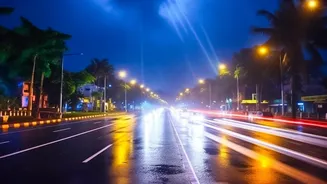
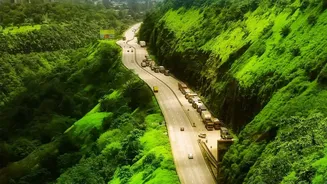
Monsoon rains can make roads unpredictable. A clear highway in the morning can become a waterlogged trap by the afternoon. When planning a road trip, identify and avoid areas known for landslides, such as certain parts of the Himalayas and the Western Ghats during peak rains. Always check for real-time updates on road and highway status; many state disaster management authorities post advisories. Build buffer days into your travel schedule. This extra time is a crucial safety net if you face unexpected delays. For hill travel, always plan to drive during the daytime, as visibility drops significantly at night and in heavy downpours. Consider train travel for longer distances, as it is often less susceptible to weather-related disruptions than road transport.
Secure Your Stay with Flexibility
Your accommodation is your safe harbour during a monsoon trip, so choose it wisely. Before booking, check recent reviews to see how the property fares in heavy rain—look for mentions of leaks, power cuts, or accessibility issues. When booking, opt for flexible or refundable rates. This gives you the freedom to change your plans without financial penalty if a weather warning is issued. It's also smart to have a backup hotel or guesthouse in mind, just in case your primary choice becomes inaccessible due to local flooding or road closures. Confirming your booking and the route to the hotel a day before you arrive can save you from last-minute surprises.
Pack Smart for Damp Conditions
Monsoon packing is a science. Prioritise function over fashion. Leave heavy fabrics like denim and cotton at home, as they take a very long time to dry. Instead, pack lightweight, synthetic, and quick-drying clothes. A reliable waterproof jacket or poncho is non-negotiable. Footwear should have excellent grip to handle slippery surfaces; think rubber sandals or waterproof trekking shoes instead of leather. Protect your electronics and important documents like your ID and tickets by storing them in waterproof bags or ziplock pouches. An extra set of dry clothes in a sealed bag is a great idea for any day trips you take.
Assemble an Emergency Kit
An emergency kit is essential for peace of mind, especially when travel can be unpredictable. Power outages are common during heavy rains, so a fully charged power bank is a must-have. Your first-aid kit should include the basics like antiseptic wipes and bandages, plus medication for common issues like fever, stomach upset, and motion sickness for winding roads. Insect repellent is crucial, as the monsoon is a breeding season for mosquitoes. Also, pack some non-perishable snacks like energy bars or dry fruits and a bottle of water. These can be invaluable if you get stuck in a long traffic jam or face unexpected delays. Finally, download offline maps of your route and destination, as mobile networks can be unreliable in remote areas or bad weather.