









The Familiar Foe: Cold, Dry Air
Winter's defining features—low humidity and biting winds—are notoriously hard on the skin. Cold air holds less moisture, creating a dry environment that actively pulls water from your skin's surface. This process, known as transepidermal water loss, is accelerated
by indoor heating, which further dries out the air. The result is a compromised skin barrier, the outermost layer responsible for keeping moisture in and irritants out. When this barrier is weakened, your skin becomes vulnerable, leading to the classic signs of winter distress: flaking, cracking, itchiness, and increased sensitivity. This weakened state makes it much easier for external aggressors to penetrate the skin's deeper layers.
The Hidden Hazard: Winter Pollution
Winter air quality is often worse than we assume. Increased use of heating, less air circulation, and persistent traffic fumes contribute to a rise in airborne pollutants like particulate matter (PM2.5), nitrogen dioxide, and ozone. These microscopic particles are small enough to settle on the skin and, in some cases, even penetrate it. Once there, they generate free radicals—unstable molecules that attack healthy skin cells in a process called oxidative stress. This cellular damage leads to inflammation, the breakdown of collagen, and an increase in hyperpigmentation, all of which contribute to premature ageing and a dull complexion.
A Two-Front Attack on Your Skin
The real trouble begins when these two factors—a weakened skin barrier from the cold and an onslaught of pollution—combine. Think of your skin barrier as a brick wall; the cold, dry air removes the 'mortar' (your natural lipids), leaving gaps in the wall. Pollutants, acting like tiny wrecking balls, can then easily get through these gaps, causing deeper and more significant damage. This synergistic effect is why your skin might feel not just dry in the winter, but also irritated, red, and reactive. Inflammatory conditions like eczema and rosacea can also flare up more frequently as the skin struggles to defend itself against this dual threat.
Your First Line of Defence: A Smart Cleanse
Effectively removing the day's accumulation of pollutants is the critical first step in your winter skincare routine. However, harsh cleansers can strip the skin of its natural oils, further weakening an already fragile barrier. The key is to be thorough yet gentle. Opt for hydrating, cream- or milk-based cleansers that remove impurities without causing that tight, uncomfortable feeling. For those who wear makeup or feel particularly exposed to city grime, a 'double cleanse' at night can be highly effective. Start with an oil-based cleanser to dissolve makeup and particulate matter, then follow up with a gentle, water-based cleanser to wash everything away.
Rebuild and Neutralise With Serums
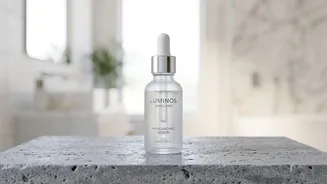
After cleansing, it's time to deliver targeted ingredients to repair and protect. This is where serums containing antioxidants are essential. Antioxidants like Vitamin C, Vitamin E, and niacinamide neutralise the free radicals generated by pollution, stopping oxidative stress in its tracks. Vitamin C is particularly effective at brightening the complexion and protecting against cellular damage. Niacinamide (a form of Vitamin B3) is another powerhouse ingredient that helps strengthen the skin barrier and reduce inflammation. To combat the dryness, layer these with a hydrating serum containing hyaluronic acid, which draws moisture into the skin.
Seal the Deal: Barrier-Repair Moisturiser
A good winter moisturiser does more than just add hydration; it locks it in and actively repairs your skin's barrier. Look for richer creams that contain ingredients like ceramides, which are lipids that naturally occur in your skin and help form its protective layer. Glycerin and hyaluronic acid are excellent humectants that bind water to the skin, while ingredients like shea butter create a protective seal on the surface. This final step is non-negotiable for sealing in your serums and providing a physical shield against both the dry air and environmental pollutants.