
The New Era of Pet 'Experiences'
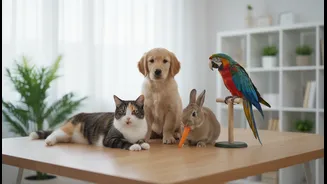
The bond between humans and animals is timeless, but how we foster it is undergoing a modern transformation. Across India's urban centres, a new model of pet interaction is taking root, one that prioritises momentary contact over permanent ownership.
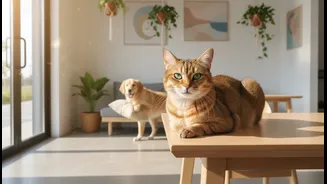
This shift is most visible in the explosion of pet cafes in cities like Bengaluru, Mumbai, Delhi, and Hyderabad. These are not just coffee shops that allow pets; they are curated spaces where patrons can spend an hour or two with resident cats and dogs. This trend offers a solution for the many who can't own a pet due to small apartments, demanding work schedules, or financial constraints. Beyond cafes, digital platforms and apps are emerging that facilitate 'pet sharing' or borrowing, connecting animal lovers with pet owners who need a sitter or walker, offering companionship on a short-term basis.
Why Fleeting Friendships Are on the Rise
This move towards 'pet access' over ownership is driven by deep-seated lifestyle changes, particularly among millennials and Gen Z. Urbanisation has led to smaller living spaces and stricter no-pet housing rules, making ownership impractical for many. Furthermore, with younger generations prioritising experiences over possessions, the idea of enjoying an animal's company without the significant financial and time commitment of full-time care holds huge appeal. These momentary interactions provide a powerful dose of the scientifically-proven benefits of being around animals—such as reduced stress and anxiety—without the lifelong responsibility. It’s a model that fits a modern life defined by flexibility, where companionship can be accessed on demand, much like a subscription service for well-being.
More Than Just a Cuddle
The appeal goes beyond simple stress relief. For many city dwellers, these interactions combat the loneliness and isolation that can accompany a fast-paced, urban life. A pet cafe can become a 'third place'—a social hub outside of home and work where connections are formed naturally over the shared love for an animal. The presence of a playful dog or a calm cat acts as a social lubricant, breaking down barriers between strangers. Many of these establishments also serve a greater purpose, partnering with local shelters and animal welfare organisations. They function as halfway houses for rescued animals, giving them a safe, social environment and increasing their visibility for potential adoption. Patrons can interact with animals in a relaxed setting, getting to know their true personalities away from a shelter environment.
Considering the Animals' Well-Being
While the human benefits are clear, this trend raises important ethical questions about the welfare of the animals involved. Animal welfare organisations express concern that a constantly changing environment with a revolving door of strangers could be stressful for some animals, particularly cats, who are naturally solitary creatures. A busy cafe can lead to overstimulation, stress, and potential aggression if the animals don't have adequate private space to retreat. The risk of improper handling by patrons, especially children, or being fed unhealthy treats are also valid concerns. The most ethical establishments prioritise animal welfare by providing ample quiet zones, enforcing rules for interaction, limiting visitor numbers, and working closely with vets and rescue groups to ensure the animals are healthy, happy, and not treated as mere commodities for entertainment.