




Dress in Smart Layers
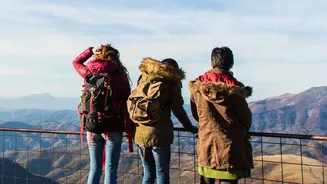
The single most important rule for a cold morning safari is to layer your clothing. Temperatures can be near freezing at dawn but rise significantly as the sun climbs. A three-layer system is most effective. Start with a moisture-wicking base layer (like
thermal underwear), add a fleece or wool sweater for insulation, and top it off with a windproof jacket. This allows you to peel off layers as the day warms up, ensuring you are comfortable from the chilly start to the sunny finish. Avoid cotton as a base layer, as it holds moisture and can make you feel colder if you sweat.
Protect Your Extremities
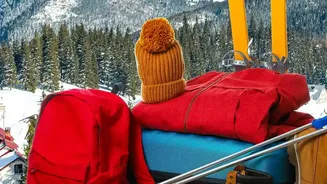
The wind chill in an open safari vehicle can be brutal, and your hands, feet, and head will feel it first. Don't underestimate the need for a warm woollen beanie or cap, a scarf or neck gaiter, and a good pair of gloves. Thermal socks and comfortable, closed-toed shoes are non-negotiable to keep your feet warm and protected. These small accessories make a huge difference in your overall comfort and ability to enjoy the two-to-three-hour drive without shivering.
Choose Forest-Friendly Colours
What you wear is not just about warmth; it's also about blending in. Bright colours like white, red, or neon can startle wildlife and make you easily visible, reducing your chances of a good sighting. Opt for neutral, earthy tones such as khaki, olive green, beige, and brown. These colours help you merge with the natural environment, causing less disturbance to the animals you have come to see. Also, avoid strong perfumes or deodorants, as unnatural scents can alert wildlife to your presence.
Obey All Vehicle Rules
Your safari vehicle is your safe zone. The most critical rule is to stay inside the vehicle at all times, unless your guide explicitly says it is safe to get out at a designated spot. Do not stand up, hang limbs out, or make sudden movements, as this can be perceived as a threat by wild animals. The driver and guide are trained to position the vehicle for optimal viewing without provoking the wildlife. Maintaining a respectful distance and staying seated ensures the safety of everyone in the jeep and the animals themselves.
Silence Is Golden
The forest has its own soundtrack, and to experience it, you must be quiet. Loud conversations, music, and even loud phone notifications are prohibited. Speaking in hushed tones is essential, especially when animals are nearby. Noise can stress wildlife and cause them to flee, ruining the experience for you and others. If you spot something, point it out quietly to your guide and fellow passengers instead of shouting. This respect for the environment enhances your chances of hearing alarm calls or the subtle sounds of an approaching animal.
Always Trust Your Guide
Your guide is a trained professional with extensive knowledge of the park and its inhabitants. Their instructions are not mere suggestions; they are rules designed for your safety. Always listen to them. They understand animal behaviour and can read signs of agitation or stress that you might miss. Never pressure your driver or guide to get closer to an animal or to chase one that is moving away. Their primary job is to ensure a safe and respectful encounter for both you and the wildlife.
Be Prepared for Low Visibility
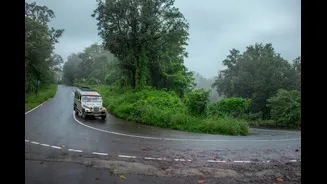
November mornings often come with thick fog, which adds to the atmosphere but also presents challenges. In low visibility, your sense of hearing becomes even more important. Rely on your guide to interpret the sounds of the jungle. Reduced visibility also means you need to be extra vigilant and stick to the group. The fog can be disorienting, and it underscores the importance of not wandering off and always following the guide's lead. Remember to manage your photography expectations; the misty light can be beautiful, but spotting distant animals will be tougher.