


Beyond Warmth: The Real Benefits
The most obvious benefit of a tent heater is warmth, but its advantages go much deeper. A reliable heat source is crucial for preventing dangerous conditions like hypothermia. On a more practical level, it allows you to dry damp gear, from wet socks to gloves,
ensuring you have dry layers for the next day. This boost in comfort significantly improves sleep quality and overall well-being, especially on multi-day trips. Furthermore, having a heater can extend your camping season, making it possible to comfortably enjoy the outdoors during the chilliest months of the year. It transforms the tent from a simple shelter into a warm, inviting basecamp for all your winter adventures.
Choosing Your Heat Source: Propane vs. Electric
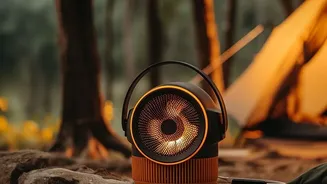
Portable heaters primarily fall into two categories: fuel-burning and electric. Propane heaters, particularly catalytic models like the popular 'Mr. Heater Buddy' series, are favored for their high heat output and portability, as they don't require an electrical outlet. They are excellent for off-grid camping. However, they release carbon monoxide and water vapor, which creates condensation. Electric heaters are a fantastic option for campsites with power hookups. They are generally quieter, don't produce fumes, and are safer for use in enclosed spaces. Their main limitation is the need for a power source, which could be a campsite plug or a high-capacity portable power station, though the latter can be heavy and may only run a heater for a limited time.
Safety First: Your Non-Negotiable Checklist
Using a heater in a tent is not without risk, but it can be done safely. First, only use a heater that is rated for indoor use; these models come with critical safety features. Look for an Oxygen Depletion Sensor (ODS), which automatically shuts the unit off if oxygen levels drop too low, and a tip-over switch that does the same if the heater is knocked over. Constant ventilation is mandatory, even with an indoor-safe model. Crack open a tent window or vent to allow fresh air to circulate and prevent carbon monoxide buildup. It's also highly recommended to bring a separate, battery-operated carbon monoxide detector as an extra layer of security. Finally, never leave a heater unattended or run it while you sleep unless the manufacturer's instructions explicitly state it is safe to do so.
Maximizing Heat and Efficiency
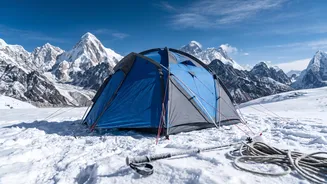
To get the most out of your heater, placement and preparation are key. Always place the heater on a flat, stable, and non-flammable surface. Keep it at least three feet away from any flammable materials, including your sleeping bag, tent walls, and other gear. A four-season tent designed for winter will retain heat much more effectively than a standard summer tent. Before you even turn on the heater, ensure you're using a high-quality sleeping pad with a good R-value to insulate you from the cold ground. A heater should complement, not replace, a proper winter sleep system. It's designed to raise the ambient temperature to a more comfortable level, making it easier to relax before bed and less of a shock to get dressed in the morning.