




The Hidden Value in Coffee Waste
Every day, cafes across India generate tonnes of used coffee grounds. Typically, this organic material is treated as waste and sent to landfills. While seemingly harmless, this disposal contributes to greenhouse gas emissions as the grounds decompose.
However, this coffee 'waste' is far from useless. It's packed with nitrogen and other nutrients that fungi love. Less than 1% of the coffee bean's biomass is used in the brewing process, meaning over 99% of its valuable organic matter is often discarded. This has presented a golden opportunity for urban entrepreneurs and sustainability advocates who see not waste, but a valuable resource waiting to be repurposed.
From Cafe Bin to Growing Medium
This is where the innovative partnership begins. Local mushroom growers collaborate with cafes, providing them with collection bins for their spent grounds. The cafes, in turn, are often happy to participate, as it reduces their waste disposal loads and costs. The key is freshness; the grounds must be collected daily, typically within 24 hours of brewing. This is because the brewing process effectively pasteurises the grounds, killing off most competing moulds and bacteria. This single step is a major advantage, as traditional mushroom farming often requires an energy-intensive pasteurisation or sterilisation process for its growing medium, known as a substrate. By using fresh coffee grounds, this step is bypassed entirely.
Inside the Urban Micro-Factory
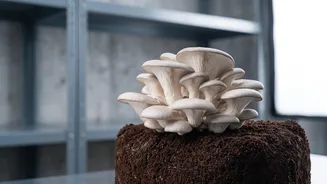
The term 'micro-factory' might conjure images of complex machinery, but these urban farms are often simple, low-tech operations. They can be set up in basements, shipping containers, or spare rooms. Once the fresh coffee grounds are collected, they are mixed with mushroom spawn—essentially the 'seeds' of the fungus, which is a network of root-like threads called mycelium. This mixture is then packed into special grow bags or containers. These bags are stored in a dark, warm space for two to three weeks, during which time the white, fuzzy mycelium completely colonises the dark coffee grounds. This is the incubation phase, where the fungus is essentially 'eating' the nutrients in the coffee.
Harvesting the Urban Bounty
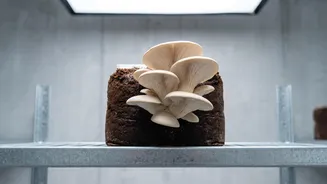
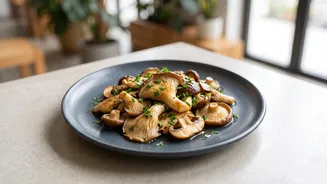
After incubation, the bags are moved to a space that mimics autumnal conditions—cooler, with fresh air and high humidity. Small cuts are made in the bags, and within a week or two, tiny mushroom 'pins' begin to appear. These grow astonishingly fast, often doubling in size each day. The most commonly grown variety in this system is the Oyster mushroom, which is not only delicious and versatile in the kitchen but also particularly well-suited to growing on coffee-based substrates. Other gourmet varieties can also be cultivated. The result is a harvest of fresh, locally grown mushrooms, produced just a few kilometres from where consumers will buy and eat them.
A Perfect Circle of Sustainability
This process is a prime example of a circular economy in action. It creates a closed-loop system within a city's ecosystem. Cafes reduce their environmental footprint and waste management costs. Urban farms gain a free, nutrient-rich substrate, allowing them to produce food with minimal resources and space. Finally, consumers get access to fresh, healthy produce with a very low carbon footprint, as the need for long-distance transportation is eliminated. Even after the mushrooms are harvested, the leftover substrate can be used as a high-quality compost or soil conditioner, ensuring nothing goes to waste. This clever synergy transforms a daily habit into a model for sustainable urban living and local food production.