






The End of the 'Show Home'
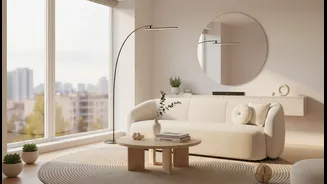
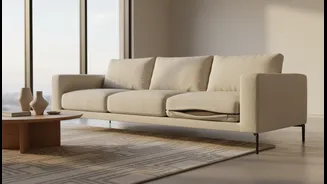
For generations, the formal living room was a prized feature in many Indian homes—a space reserved for guests, furnished with the best sofa set, and kept pristine. It was a room designed for presentation, not for daily life. Today, that idea is fading
fast. Designers and homeowners alike are questioning the logic of dedicating precious square footage to areas that gather dust instead of creating memories. This shift marks a move away from designing for occasional visitors and toward creating homes that serve the people who live in them every single day. The focus is no longer on a home that looks like a catalogue, but one that feels uniquely personal and functional.
The Pandemic's Lasting Impact
The single biggest catalyst for this change was the global pandemic. As homes suddenly became offices, schools, gyms, and entertainment centres, the need for flexible, multipurpose spaces became urgent. That rarely-used guest room or formal drawing-room was no longer a luxury but a liability. Indian families realised their homes needed to work harder, adapting to dynamic lifestyles. This has led to a lasting trend where functionality, comfort, and personal well-being are prioritised over outdated formalities. The home is now seen as a sanctuary that must support work, relaxation, and hobbies all under one roof.
The Rise of the Niche Zone
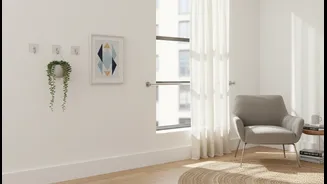
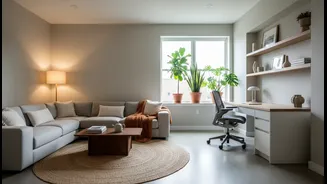
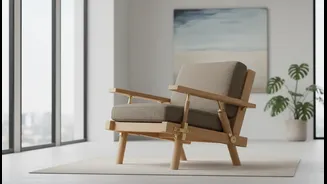
So, what are these 'useful personal zones'? They are small, dedicated areas carved out of underutilised space. Think of the 'cloffice'—a closet converted into a compact, functional office that can be closed off at the end of the day. Or the quiet corner of a bedroom transformed into a reading nook with a comfortable chair and good lighting. Other popular examples include hobby stations for painting or crafting, a small corner with a yoga mat and plants for a wellness zone, or even turning a balcony from a laundry-drying area into a mini-garden retreat. These zones are not about adding rooms, but about making every square foot count.
How to Find Your Own Dead Space
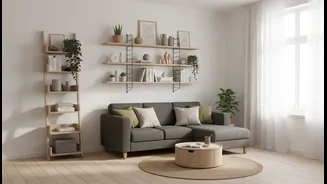
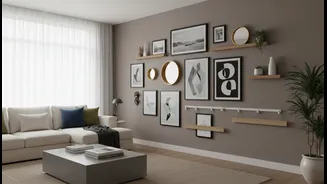
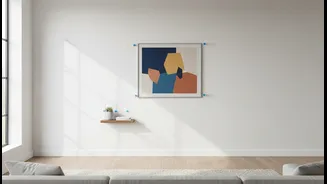
Identifying potential zones in your own home is easier than you think. Look for awkward corners, the landing at the top of the stairs, a wide hallway, or the space under the staircase. These are often considered 'dead space' but can be easily activated. The key is to think vertically. Wall-mounted desks, floating shelves, and tall, slim cabinets can create functional areas without taking up floor space. Even a rug can visually separate a corner of a larger room, creating the feeling of a distinct zone. The goal is to see these forgotten spaces not as problems, but as opportunities for personalisation.
Designing for Life, Not Just Looks
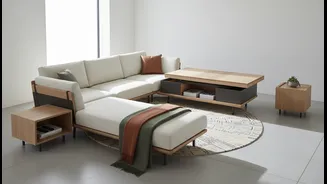
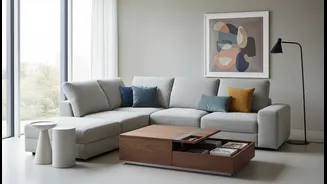
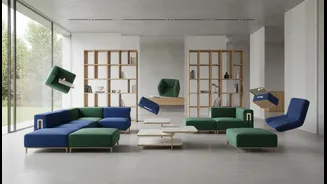
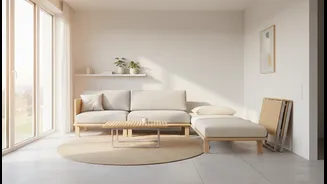
This trend is powered by multifunctional furniture. In urban India, where apartments are often compact, furniture that serves multiple purposes is essential. Pieces like sofa-cum-beds, extendable dining tables, and coffee tables with hidden storage are no longer seen as a compromise but as a smart design choice. Modular furniture that can be reconfigured as needs change is also incredibly popular, giving homeowners flexibility. This shift is fundamentally about intentional living. It's about asking, “How do I want to feel and function in this space?” rather than “What is the trend?”. The result is a home that truly reflects and supports the lives of its inhabitants.